2026-06-24

3-Tonnen-Gabelstapleraufsätze Konfigurationsleitfaden: passende Lösungen für unterschiedliche Betriebsanforderungen

3-Tonnen-Gabelstapleraufsätze Konfigurationsleitfaden: passende Lösungen für unterschiedliche Betriebsanforderungen(Figur1)

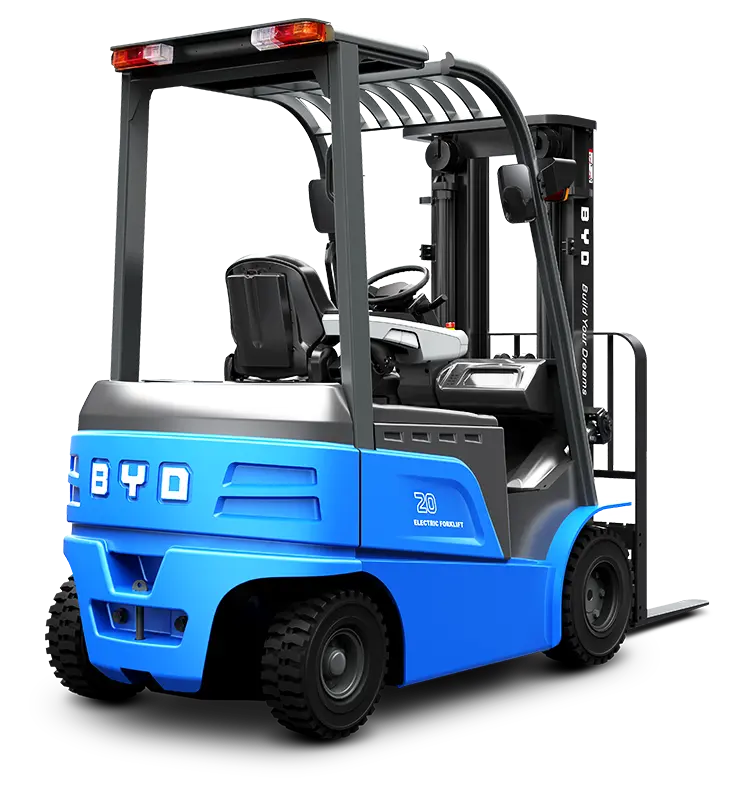
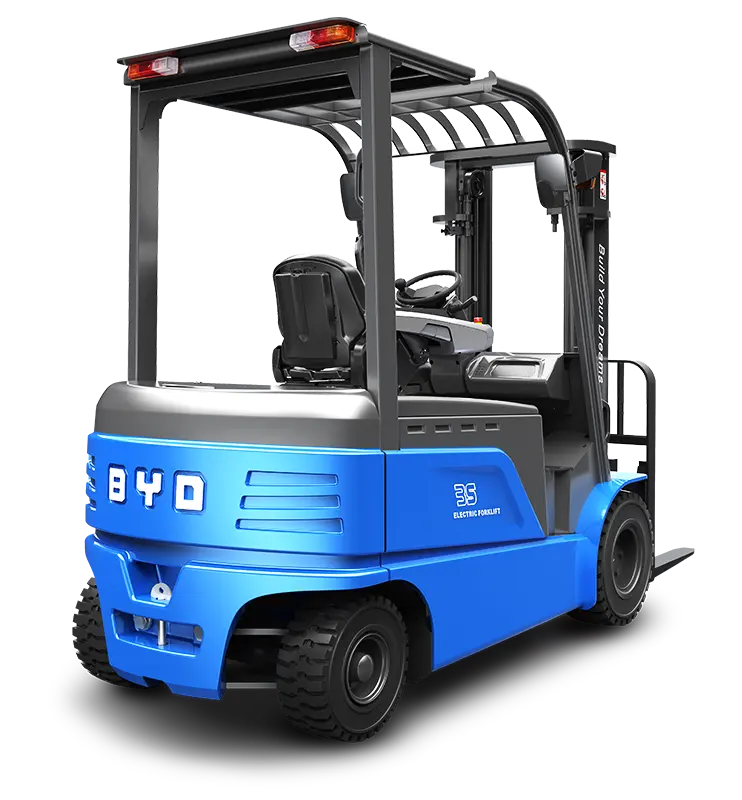
3-Tonnen-Gabelstapler sind häufig verwendete Umschlaggeräte in der Lagerhaltung, Logistik, Fertigung, Frachtverteilung und anderen Szenarien. Mit verschiedenen funktionalen Anbaugeräten können sie die anwendbaren Szenarien erheblich erweitern und verschiedene Betriebsanforderungen erfüllen. Viele Benutzer wissen nicht, wie sie Anbaugeräte mit ihren eigenen Betriebsanforderungen kombinieren können. Im Folgenden finden Sie die entsprechenden Konfigurationspläne für verschiedene Situationen.

Attachment Matching für konventionelle Handhabungsszenen

Szenario für den Transport der gesamten Schale. Wenn der tägliche Betrieb hauptsächlich auf dem Be- und Entladen von Standardpaletten und dem Umschlag ganzer Schalen über kurze Entfernungen basiert, sind keine zusätzlichen speziellen Anbauteile erforderlich, es können nur Standardgabeln mit passenden Lasten gewählt werden. Einige Benutzer, die sich an Paletten mit nicht standardmäßiger Größe anpassen müssen, können Gabeln mit einstellbarem Abstand wählen und den Gabelabstand flexibel anpassen, um sich an Paletten mit unterschiedlichen Spezifikationen anzupassen. Diese Art der Konfiguration ist kostengünstig und wartungsarm und eignet sich für die meisten allgemeinen Be- und Entladeszenarien in der Lagerhaltung und Logistik.

Stapelszene für verstreute Waren. Wenn der Vorgang das Stapeln von verstreuten Kartons und gewebten Säcken auf hoher Ebene beinhaltet, können zusätzlich zur Basisgabel rutschfeste Gabelhülsen installiert werden, um die Reibung zwischen der Gabel und dem Boden der Waren zu erhöhen, ein Verrutschen der Waren zu verhindern und die Sicherheit des Stapelvorgangs zu verbessern. Es können auch Seitenschieber installiert werden, um die Einstellung der Gabelposition in engen Durchgängen zu erleichtern, wodurch ein häufiges Bewegen des Gabelstaplerkörpers überflüssig wird, was die Betriebseffizienz effektiv verbessert und den Platzbedarf im Kanal verringert.

Zuordnungsverfahren für besondere Warenkategorien

Weiche Verpackungen oder zylindrische Frachtumschlagszene. Wenn Sie zylindrische Waren wie Papierrollen, Geweberollen, Rohre oder flexible Verpackungsgüter wie Düngemittelbeutel und Zementbeutel transportieren müssen, können Sie eine Haltevorrichtung wählen und die entsprechende Haltekraft je nach Material, Größe und Gewicht der Waren wählen, um Schäden an den Waren zu vermeiden. Einige Halteklammern mit Drehfunktion können auch den Anforderungen des Umdrehens und Abladens von Waren gerecht werden und sich an speziellere Betriebsanforderungen anpassen.

Szenarien für den Frachtumschlag mit langen Bändern. Wenn Sie lange Bandgüter mit einer Länge von mehr als 2 Metern wie Stahl, Platten und ultralange Rohre umschlagen müssen, können Sie die Gabel oder den Auswerfer verlängern. Für einige Szenarien, die ein seitliches Be- und Entladen erfordern, kann auch eine rotierende Gabel installiert werden, um die Einstellung des Winkels der Waren auf engstem Raum zu erleichtern, die Schwierigkeit der Bedienung zu verringern und das Risiko von Kratzern zu verringern.

Aufsatzanpassung für besondere Arbeitsbedingungen

Betriebsszenarien bei hoher Luftfeuchtigkeit oder niedrigen Temperaturen. Wenn der Gabelstapler hauptsächlich in Kühlkettenlagern, Frischverarbeitungswerkstätten und Küstengebieten mit hoher Luftfeuchtigkeit betrieben wird, sollte das Befestigungswerkzeug aus rostfreien und kältebeständigen Materialien hergestellt werden, um langfristigen Rost und spröde Risse in speziellen Umgebungen zu vermeiden. Bedürftige Benutzer können auch eine Gabelheizvorrichtung installieren, um zu vermeiden, dass die Waren mit der Gabel in einer Umgebung mit niedrigen Temperaturen eingefroren werden, was die Be- und Entladeeffizienz beeinträchtigt.

Szenarien für den Umgang mit gefährlichen Gütern. Wenn Sie mit brennbaren, explosiven und ätzenden gefährlichen Gütern umgehen müssen, sollten Sie eine Ausführung mit antistatischen und korrosionsbeständigen Eigenschaften wählen, und Sie können einen Ladestabilisator installieren, um Sicherheitsunfälle zu vermeiden, die durch herunterfallende oder undichte Güter während des Transports verursacht werden.

Schließlich sollte der Benutzer daran erinnert werden, dass er sich bei der Auswahl von Anbaugeräten im Voraus vergewissern sollte, ob die Belastung der Anbaugeräte mit der Nennlast des 3-Tonnen-Gabelstaplers übereinstimmt. Nach dem Einbau von Anbaugeräten sollte die tatsächliche Tragfähigkeit des Gabelstaplers neu bewertet werden, um Überlastungsvorgänge zu vermeiden. Gleichzeitig sollten sie reguläre Produkte wählen, die den Sicherheitsstandards entsprechen, die Anbaugeräte regelmäßig überprüfen und warten und Probleme wie Lockerheit und Verschleiß umgehend überprüfen, um die Betriebssicherheit zu gewährleisten.
Telefon

WeChat

Whatsapp

E-Mail Adresse

We use cookie to improve your online experience. By continuing to browse this website, you agree to our use of cookie.

Cookies

Please read our Terms and Conditions and this Policy before accessing or using our Services. If you cannot agree with this Policy or the Terms and Conditions, please do not access or use our Services. If you are located in a jurisdiction outside the European Economic Area, by using our Services, you accept the Terms and Conditions and accept our privacy practices described in this Policy.
We may modify this Policy at any time, without prior notice, and changes may apply to any Personal Information we already hold about you, as well as any new Personal Information collected after the Policy is modified. If we make changes, we will notify you by revising the date at the top of this Policy. We will provide you with advanced notice if we make any material changes to how we collect, use or disclose your Personal Information that impact your rights under this Policy. If you are located in a jurisdiction other than the European Economic Area, the United Kingdom or Switzerland (collectively “European Countries”), your continued access or use of our Services after receiving the notice of changes, constitutes your acknowledgement that you accept the updated Policy. In addition, we may provide you with real time disclosures or additional information about the Personal Information handling practices of specific parts of our Services. Such notices may supplement this Policy or provide you with additional choices about how we process your Personal Information.


Cookies

Cookies are small text files stored on your device when you access most Websites on the internet or open certain emails. Among other things, Cookies allow a Website to recognize your device and remember if you've been to the Website before. Examples of information collected by Cookies include your browser type and the address of the Website from which you arrived at our Website as well as IP address and clickstream behavior (that is the pages you view and the links you click).We use the term cookie to refer to Cookies and technologies that perform a similar function to Cookies (e.g., tags, pixels, web beacons, etc.). Cookies can be read by the originating Website on each subsequent visit and by any other Website that recognizes the cookie. The Website uses Cookies in order to make the Website easier to use, to support a better user experience, including the provision of information and functionality to you, as well as to provide us with information about how the Website is used so that we can make sure it is as up to date, relevant, and error free as we can. Cookies on the Website We use Cookies to personalize your experience when you visit the Site, uniquely identify your computer for security purposes, and enable us and our third-party service providers to serve ads on our behalf across the internet.

We classify Cookies in the following categories:
 ●  Strictly Necessary Cookies
 ●  Performance Cookies
 ●  Functional Cookies
 ●  Targeting Cookies


Cookie List
A cookie is a small piece of data (text file) that a website – when visited by a user – asks your browser to store on your device in order to remember information about you, such as your language preference or login information. Those cookies are set by us and called first-party cookies. We also use third-party cookies – which are cookies from a domain different than the domain of the website you are visiting – for our advertising and marketing efforts. More specifically, we use cookies and other tracking technologies for the following purposes:

Strictly Necessary Cookies
These cookies are necessary for the website to function and cannot be switched off in our systems. They are usually only set in response to actions made by you which amount to a request for services, such as setting your privacy preferences, logging in or filling in forms. You can set your browser to block or alert you about these cookies, but some parts of the site will not then work. These cookies do not store any personally identifiable information.

Functional Cookies
These cookies enable the website to provide enhanced functionality and personalisation. They may be set by us or by third party providers whose services we have added to our pages. If you do not allow these cookies then some or all of these services may not function properly.

Performance Cookies
These cookies allow us to count visits and traffic sources so we can measure and improve the performance of our site. They help us to know which pages are the most and least popular and see how visitors move around the site. All information these cookies collect is aggregated and therefore anonymous. If you do not allow these cookies we will not know when you have visited our site, and will not be able to monitor its performance.

Targeting Cookies
These cookies may be set through our site by our advertising partners. They may be used by those companies to build a profile of your interests and show you relevant adverts on other sites. They do not store directly personal information, but are based on uniquely identifying your browser and internet device. If you do not allow these cookies, you will experience less targeted advertising.

How To Turn Off Cookies
You can choose to restrict or block Cookies through your browser settings at any time. Please note that certain Cookies may be set as soon as you visit the Website, but you can remove them using your browser settings. However, please be aware that restricting or blocking Cookies set on the Website may impact the functionality or performance of the Website or prevent you from using certain services provided through the Website. It will also affect our ability to update the Website to cater for user preferences and improve performance. Cookies within Mobile Applications

We only use Strictly Necessary Cookies on our mobile applications. These Cookies are critical to the functionality of our applications, so if you block or delete these Cookies you may not be able to use the application. These Cookies are not shared with any other application on your mobile device. We never use the Cookies from the mobile application to store personal information about you.

If you have questions or concerns regarding any information in this Privacy Policy, please contact us by email at . You can also contact us via our customer service at our Site.