2026-07-08

Bộ điều khiển xe nâng BYD đi bộ bị lỗi, điểm sửa chữa thay thế lắp ráp điều khiển điện

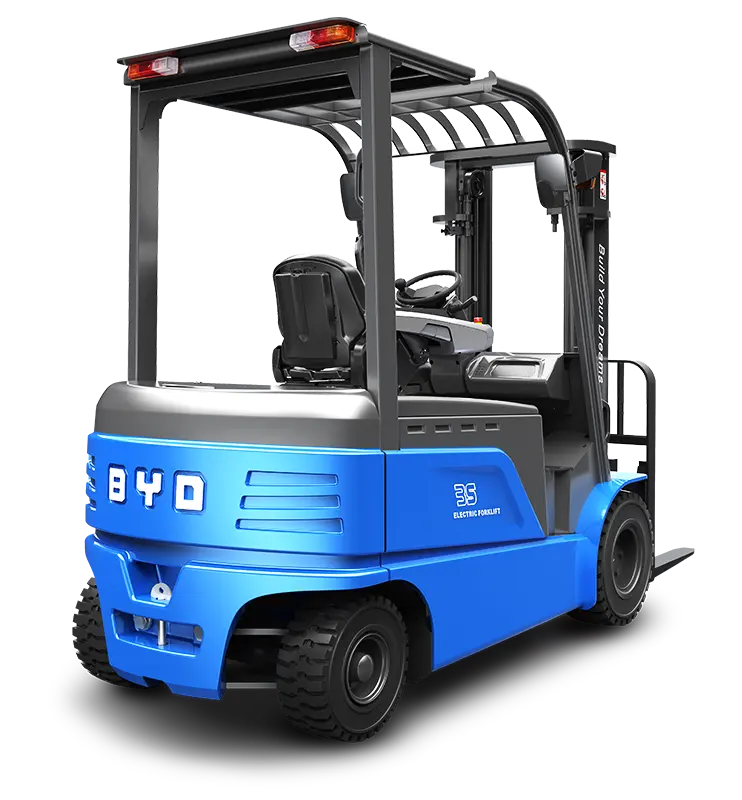
Bộ điều khiển xe nâng BYD đi bộ bị lỗi, điểm sửa chữa thay thế lắp ráp điều khiển điện(Hình1)

Trong quá trình vận hành lâu dài của xe nâng điện BYD, lỗi đi bộ của bộ điều khiển là một vấn đề tương đối phổ biến, chủ yếu là đi bộ yếu, chạy lệch, không thể bắt đầu đi bộ, v.v. Khi gặp phải những lỗi như vậy, nhân viên sửa chữa cần phải tiến hành kiểm tra có hệ thống trước: Đầu tiên kiểm tra hệ thống cung cấp điện của xe, xác nhận xem điện áp pin có trong phạm vi bình thường hay không, đầu cuối dây có bị lỏng và oxy hóa hay không; sau đó kiểm tra xem hệ thống dây của động cơ đi bộ có còn nguyên vẹn không, loại bỏ khả năng lỗi của chính động cơ; nếu các liên kết trên không có bất thường, sau đó kiểm tra đầu ra tín hiệu của bộ điều khiển và mạch bên trong thông qua thiết bị chuyên

Trước khi thay thế lắp ráp điều khiển điện tử, cần phải chuẩn bị đầy đủ: Thứ nhất, chuẩn bị các công cụ tháo dỡ và lắp ráp chuyên dụng phù hợp, chẳng hạn như cờ lê cách nhiệt, vạn năng, bút đánh dấu dây, v.v.; Thứ hai là xác nhận rằng mô hình và thông số của lắp ráp điều khiển điện tử mới hoàn toàn phù hợp với thiết bị gốc, tránh các lỗi tiếp theo do thông số kỹ thuật không phù hợp; Thứ ba là ngắt kết nối tổng nguồn điện của xe trước, thực hiện các biện pháp bảo vệ cách nhiệt để ngăn ngừa nguy cơ sốc điện trong quá trình sửa chữa.

Quá trình tháo dỡ phải tuân thủ nghiêm ngặt các điểm chính của thông số kỹ thuật: khi tháo lắp ráp cũ, trước tiên sử dụng bút đánh dấu để đánh dấu rõ ràng vị trí và số của mỗi hệ thống dây điện, tránh sự nhầm lẫn của hệ thống dây điện tiếp theo; lần lượt tháo bu lông cố định, cẩn thận lấy lắp ráp cũ ra, chú ý tránh kéo đường ống và cảm biến xung quanh; khi lắp ráp mới, hệ thống dây điện tương ứng với dấu hiệu, đảm bảo mỗi hệ thống dây điện chắc chắn và không bị lỏng, sau đó sử dụng bu lông để thắt chặt và cố định đều, đảm bảo vị trí lắp ráp phẳng và ổn định.

Sau khi hoàn thành việc thay thế, cần phải tiến hành gỡ lỗi và kiểm tra toàn diện: Đầu tiên, kiểm tra nguồn điện, kiểm tra xem đèn báo của bộ điều khiển có sáng bình thường không, có mã báo lỗi không; sau đó tiến hành kiểm tra đi bộ không tải, quan sát xem xe nâng đi bộ có ổn định không, có độ lệch không, hiện tượng kẹt; sau đó tiến hành kiểm tra tải để xác minh xem sức mạnh đi bộ có trở lại bình thường không; cuối cùng thông qua thiết bị chuyên nghiệp phù hợp với các thông số liên quan, đảm bảo hệ thống điều khiển điện tử và các bộ phận khác của

Ngoài ra, sau khi sửa chữa xong cần phải làm tốt các mẹo bảo trì tiếp theo: thường xuyên kiểm tra đầu cuối dây và tản nhiệt của cụm điều khiển điện tử, giữ cho ngoại vi sạch sẽ và không có đồ lặt vặt; tránh tăng tốc nhanh thường xuyên và phanh gấp của xe nâng trong hoạt động hàng ngày, giảm tải trọng của bộ điều khiển; nếu đi bộ bất thường một lần nữa, dừng máy kịp thời để kiểm tra, tránh mở rộng lỗi.

Điện thoại

WeChat

Whatsapp

Địa chỉ email

We use cookie to improve your online experience. By continuing to browse this website, you agree to our use of cookie.

Cookies

Please read our Terms and Conditions and this Policy before accessing or using our Services. If you cannot agree with this Policy or the Terms and Conditions, please do not access or use our Services. If you are located in a jurisdiction outside the European Economic Area, by using our Services, you accept the Terms and Conditions and accept our privacy practices described in this Policy.
We may modify this Policy at any time, without prior notice, and changes may apply to any Personal Information we already hold about you, as well as any new Personal Information collected after the Policy is modified. If we make changes, we will notify you by revising the date at the top of this Policy. We will provide you with advanced notice if we make any material changes to how we collect, use or disclose your Personal Information that impact your rights under this Policy. If you are located in a jurisdiction other than the European Economic Area, the United Kingdom or Switzerland (collectively “European Countries”), your continued access or use of our Services after receiving the notice of changes, constitutes your acknowledgement that you accept the updated Policy. In addition, we may provide you with real time disclosures or additional information about the Personal Information handling practices of specific parts of our Services. Such notices may supplement this Policy or provide you with additional choices about how we process your Personal Information.


Cookies

Cookies are small text files stored on your device when you access most Websites on the internet or open certain emails. Among other things, Cookies allow a Website to recognize your device and remember if you've been to the Website before. Examples of information collected by Cookies include your browser type and the address of the Website from which you arrived at our Website as well as IP address and clickstream behavior (that is the pages you view and the links you click).We use the term cookie to refer to Cookies and technologies that perform a similar function to Cookies (e.g., tags, pixels, web beacons, etc.). Cookies can be read by the originating Website on each subsequent visit and by any other Website that recognizes the cookie. The Website uses Cookies in order to make the Website easier to use, to support a better user experience, including the provision of information and functionality to you, as well as to provide us with information about how the Website is used so that we can make sure it is as up to date, relevant, and error free as we can. Cookies on the Website We use Cookies to personalize your experience when you visit the Site, uniquely identify your computer for security purposes, and enable us and our third-party service providers to serve ads on our behalf across the internet.

We classify Cookies in the following categories:
 ●  Strictly Necessary Cookies
 ●  Performance Cookies
 ●  Functional Cookies
 ●  Targeting Cookies


Cookie List
A cookie is a small piece of data (text file) that a website – when visited by a user – asks your browser to store on your device in order to remember information about you, such as your language preference or login information. Those cookies are set by us and called first-party cookies. We also use third-party cookies – which are cookies from a domain different than the domain of the website you are visiting – for our advertising and marketing efforts. More specifically, we use cookies and other tracking technologies for the following purposes:

Strictly Necessary Cookies
These cookies are necessary for the website to function and cannot be switched off in our systems. They are usually only set in response to actions made by you which amount to a request for services, such as setting your privacy preferences, logging in or filling in forms. You can set your browser to block or alert you about these cookies, but some parts of the site will not then work. These cookies do not store any personally identifiable information.

Functional Cookies
These cookies enable the website to provide enhanced functionality and personalisation. They may be set by us or by third party providers whose services we have added to our pages. If you do not allow these cookies then some or all of these services may not function properly.

Performance Cookies
These cookies allow us to count visits and traffic sources so we can measure and improve the performance of our site. They help us to know which pages are the most and least popular and see how visitors move around the site. All information these cookies collect is aggregated and therefore anonymous. If you do not allow these cookies we will not know when you have visited our site, and will not be able to monitor its performance.

Targeting Cookies
These cookies may be set through our site by our advertising partners. They may be used by those companies to build a profile of your interests and show you relevant adverts on other sites. They do not store directly personal information, but are based on uniquely identifying your browser and internet device. If you do not allow these cookies, you will experience less targeted advertising.

How To Turn Off Cookies
You can choose to restrict or block Cookies through your browser settings at any time. Please note that certain Cookies may be set as soon as you visit the Website, but you can remove them using your browser settings. However, please be aware that restricting or blocking Cookies set on the Website may impact the functionality or performance of the Website or prevent you from using certain services provided through the Website. It will also affect our ability to update the Website to cater for user preferences and improve performance. Cookies within Mobile Applications

We only use Strictly Necessary Cookies on our mobile applications. These Cookies are critical to the functionality of our applications, so if you block or delete these Cookies you may not be able to use the application. These Cookies are not shared with any other application on your mobile device. We never use the Cookies from the mobile application to store personal information about you.

If you have questions or concerns regarding any information in this Privacy Policy, please contact us by email at . You can also contact us via our customer service at our Site.