2026-06-22

คำอธิบายโดยละเอียดเกี่ยวกับความสูงในการยกและพารามิเตอร์โหลดของรถยกไฟฟ้าโครงสูงของ BYD

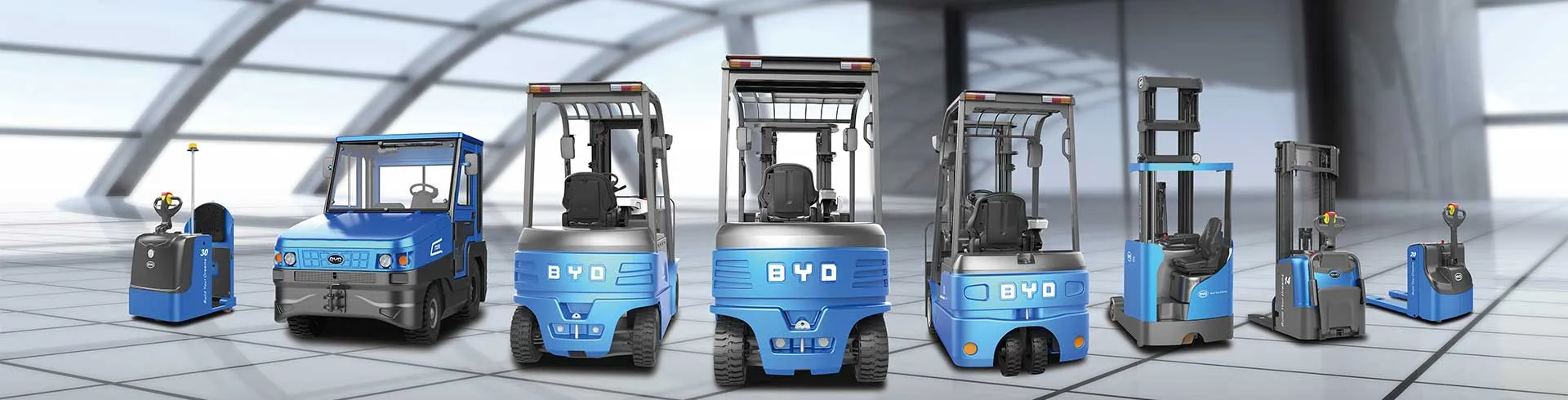
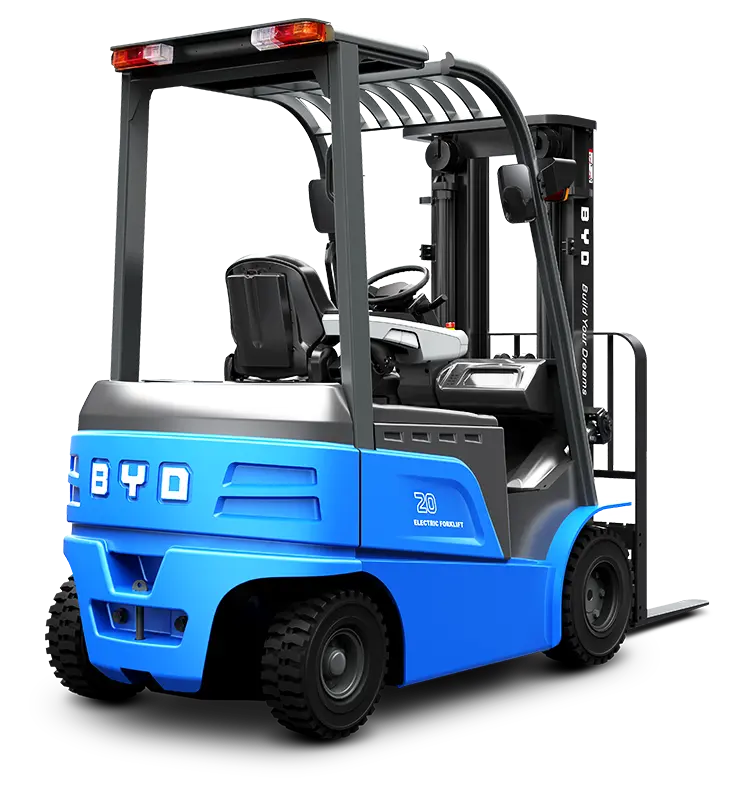
คำอธิบายโดยละเอียดเกี่ยวกับความสูงในการยกและพารามิเตอร์โหลดของรถยกไฟฟ้าโครงสูงของ BYD(รูป1)

รถยกไฟฟ้าโครงสูงเป็นอุปกรณ์ปฏิบัติการทั่วไปในสถานการณ์การจัดเก็บระดับสูงและการขนถ่ายในลานขนส่งสินค้า ความสูงในการยกและโหลดเป็นพารามิเตอร์อ้างอิงหลักสำหรับการเลือกผู้ใช้และการทำงานประจำวัน ความสัมพันธ์ที่สอดคล้องกันระหว่างทั้งสองส่งผลโดยตรงต่อความปลอดภัยในการปฏิบัติงานและ อายุการใช้งานของอุปกรณ์

ตรรกะการตั้งค่าพารามิเตอร์ของความสูงในการยก

ช่วงความสูงในการยกของรถยกไฟฟ้าโครงสูงแบบธรรมดาครอบคลุม 3 เมตรถึง 12 เมตร และความสูงที่แตกต่างกันสอดคล้องกับการออกแบบโครงสร้างโครงสำหรับตั้งสิ่งของที่แตกต่างกัน ความต้องการใช้งานส่วนใหญ่ภายในระยะ 6 เมตรจะถูกปรับให้เข้ากับโครงสำหรับตั้งสิ่งของสองส่วน โครงสร้างค่อนข้างเรียบง่าย และช่วงการสั่นสะเทือนมีขนาดเล็กระหว่างการทำงาน โครงสำหรับตั้งสิ่งของสามส่วนมักใช้สำหรับการทำงานระดับสูงที่สูงกว่า 6 เมตร ซึ่งสามารถขยายได้สูง ผ่านโครงสร้างรอกภายใน ความแข็งแรงของเหล็กของโครงสำหรับตั้งสิ่งของและการยึดชิ้นส่วนที่เชื่อมต่อจะได้รับการเสริมความแข็งแกร่งตามลำดับเพื่อให้มั่นใจถึงความเสถียรของการทำงานในตำแหน่งสูง

เมื่อเลือกความสูงในการยก ควรรวมความสูงสูงสุดของการทำงานจริง และควรสำรองระยะขอบด้านความปลอดภัยไว้ที่ 50 ถึง 100 ซม. เพื่อหลีกเลี่ยงไม่ให้ส่วนบนของชั้นวางสัมผัสกับด้านบนของชั้นวางเมื่อขนถ่ายสินค้า การเลือกความสูงในการยก 3 ถึง 4.5 เมตรสำหรับการดำเนินการขนถ่ายของคลังสินค้าแบบเรียบสามารถตอบสนองความต้องการได้ ในขณะที่การจัดเก็บชั้นวางสามมิติแบบสูงต้องใช้ความสูงในการยกมากกว่า 6 เมตรเพื่อปรับให้เหมาะสม

กฎการเชื่อมโยงสำหรับพารามิเตอร์โหลด

น้ำหนักบรรทุกที่กำหนดของรถยกไฟฟ้าหมายถึงน้ำหนักบรรทุกสูงสุดที่อนุญาตของอุปกรณ์ที่ความสูงในการยกมาตรฐาน 3 เมตร ค่านี้ได้รับการตรวจสอบโดยการทดสอบโหลดหลายรอบและห้ามมิให้เกินค่านี้ระหว่างการทำงานโดยเด็ดขาด เพื่อหลีกเลี่ยงปัญหาต่างๆ เช่น การพลิกคว่ำและความเสียหายของโครงสร้าง

เมื่อความสูงในการยกเกินค่ามาตรฐาน 3 เมตร น้ำหนักบรรทุกที่อนุญาตของรถยกจะค่อยๆ ลดลงตามความสูงที่เพิ่มขึ้น ตัวอย่างเช่น เมื่อความสูงในการยกถึง 9 เมตร น้ำหนักบรรทุกที่อนุญาตมักจะอยู่ที่ 60% ถึง 70% ของน้ำหนักบรรทุกที่กำหนด อัตราส่วนการลดทอนเฉพาะและโครงสร้างโครงสำหรับตั้งสิ่งของและการออกแบบถ่วงน้ำหนักนั้นเกี่ยวข้องโดยตรง ก่อนดำเนินการ ควรปรึกษาคำอธิบายพารามิเตอร์ที่เกี่ยวข้องล่วงหน้า และสินค้าไม่สามารถโหลดได้โดยตรงตามน้ำหนักบรรทุกที่กำหนด

คำแนะนำที่เป็นประโยชน์สำหรับการจับคู่พารามิเตอร์

ก่อนซื้อ ผู้ใช้ควรชี้แจงความสูงของชั้นวางสูงสุดสำหรับการดำเนินงานประจำวันและน้ำหนักเฉลี่ยของสินค้าสำหรับการจัดการครั้งเดียว และรวมกฎการลดทอนน้ำหนักบรรทุกเพื่อย้อนกลับน้ำหนักบรรทุกที่กำหนดที่จำเป็นเพื่อหลีกเลี่ยงปัญหาความสูงที่ตรงตามมาตรฐาน แต่ไม่เพียงพอ โหลดและไม่จำเป็นต้องสุ่มสี่สุ่มห้าไล่ตามพารามิเตอร์ที่สูงเกินไปทำให้เกิดการสูญเสียต้นทุน

ก่อนการทำงานประจำวัน ให้ตรวจสอบความสมบูรณ์ของโครงสำหรับตั้งสิ่งของและส้อม เมื่อทำงานที่ระดับความสูงต่างกัน ให้ปฏิบัติตามน้ำหนักบรรทุกที่อนุญาตอย่างเคร่งครัด การทำงานที่มีน้ำหนักเกินจะไม่เพียงเร่งการสึกหรอของโครงสำหรับตั้งสิ่งของ ยาง และส่วนประกอบอื่นๆ แต่ยังทำให้เกิดความปลอดภัย เช่น การพลิกคว่ำและการตกของสินค้า อันตรายที่ซ่อนอยู่ การจับคู่พารามิเตอร์ที่เหมาะสมไม่เพียงแต่ปรับปรุงประสิทธิภาพการทำงานเท่านั้น แต่ยังช่วยยืดอายุการใช้งานของอุปกรณ์ได้อย่างมีประสิทธิภาพอีกด้วย
โทรศัพท์

WeChat

Whatsapp

อีเมล

We use cookie to improve your online experience. By continuing to browse this website, you agree to our use of cookie.

Cookies

Please read our Terms and Conditions and this Policy before accessing or using our Services. If you cannot agree with this Policy or the Terms and Conditions, please do not access or use our Services. If you are located in a jurisdiction outside the European Economic Area, by using our Services, you accept the Terms and Conditions and accept our privacy practices described in this Policy.
We may modify this Policy at any time, without prior notice, and changes may apply to any Personal Information we already hold about you, as well as any new Personal Information collected after the Policy is modified. If we make changes, we will notify you by revising the date at the top of this Policy. We will provide you with advanced notice if we make any material changes to how we collect, use or disclose your Personal Information that impact your rights under this Policy. If you are located in a jurisdiction other than the European Economic Area, the United Kingdom or Switzerland (collectively “European Countries”), your continued access or use of our Services after receiving the notice of changes, constitutes your acknowledgement that you accept the updated Policy. In addition, we may provide you with real time disclosures or additional information about the Personal Information handling practices of specific parts of our Services. Such notices may supplement this Policy or provide you with additional choices about how we process your Personal Information.


Cookies

Cookies are small text files stored on your device when you access most Websites on the internet or open certain emails. Among other things, Cookies allow a Website to recognize your device and remember if you've been to the Website before. Examples of information collected by Cookies include your browser type and the address of the Website from which you arrived at our Website as well as IP address and clickstream behavior (that is the pages you view and the links you click).We use the term cookie to refer to Cookies and technologies that perform a similar function to Cookies (e.g., tags, pixels, web beacons, etc.). Cookies can be read by the originating Website on each subsequent visit and by any other Website that recognizes the cookie. The Website uses Cookies in order to make the Website easier to use, to support a better user experience, including the provision of information and functionality to you, as well as to provide us with information about how the Website is used so that we can make sure it is as up to date, relevant, and error free as we can. Cookies on the Website We use Cookies to personalize your experience when you visit the Site, uniquely identify your computer for security purposes, and enable us and our third-party service providers to serve ads on our behalf across the internet.

We classify Cookies in the following categories:
 ●  Strictly Necessary Cookies
 ●  Performance Cookies
 ●  Functional Cookies
 ●  Targeting Cookies


Cookie List
A cookie is a small piece of data (text file) that a website – when visited by a user – asks your browser to store on your device in order to remember information about you, such as your language preference or login information. Those cookies are set by us and called first-party cookies. We also use third-party cookies – which are cookies from a domain different than the domain of the website you are visiting – for our advertising and marketing efforts. More specifically, we use cookies and other tracking technologies for the following purposes:

Strictly Necessary Cookies
These cookies are necessary for the website to function and cannot be switched off in our systems. They are usually only set in response to actions made by you which amount to a request for services, such as setting your privacy preferences, logging in or filling in forms. You can set your browser to block or alert you about these cookies, but some parts of the site will not then work. These cookies do not store any personally identifiable information.

Functional Cookies
These cookies enable the website to provide enhanced functionality and personalisation. They may be set by us or by third party providers whose services we have added to our pages. If you do not allow these cookies then some or all of these services may not function properly.

Performance Cookies
These cookies allow us to count visits and traffic sources so we can measure and improve the performance of our site. They help us to know which pages are the most and least popular and see how visitors move around the site. All information these cookies collect is aggregated and therefore anonymous. If you do not allow these cookies we will not know when you have visited our site, and will not be able to monitor its performance.

Targeting Cookies
These cookies may be set through our site by our advertising partners. They may be used by those companies to build a profile of your interests and show you relevant adverts on other sites. They do not store directly personal information, but are based on uniquely identifying your browser and internet device. If you do not allow these cookies, you will experience less targeted advertising.

How To Turn Off Cookies
You can choose to restrict or block Cookies through your browser settings at any time. Please note that certain Cookies may be set as soon as you visit the Website, but you can remove them using your browser settings. However, please be aware that restricting or blocking Cookies set on the Website may impact the functionality or performance of the Website or prevent you from using certain services provided through the Website. It will also affect our ability to update the Website to cater for user preferences and improve performance. Cookies within Mobile Applications

We only use Strictly Necessary Cookies on our mobile applications. These Cookies are critical to the functionality of our applications, so if you block or delete these Cookies you may not be able to use the application. These Cookies are not shared with any other application on your mobile device. We never use the Cookies from the mobile application to store personal information about you.

If you have questions or concerns regarding any information in this Privacy Policy, please contact us by email at . You can also contact us via our customer service at our Site.