
 简体中文
简体中文 English
 Deutsch
 日本語
日本語 한국어
한국어 Tiếng Việt
 Русский
 ไทย
ไทย Bahasa Indonesia
 Filipino
 لالعربية
 Français
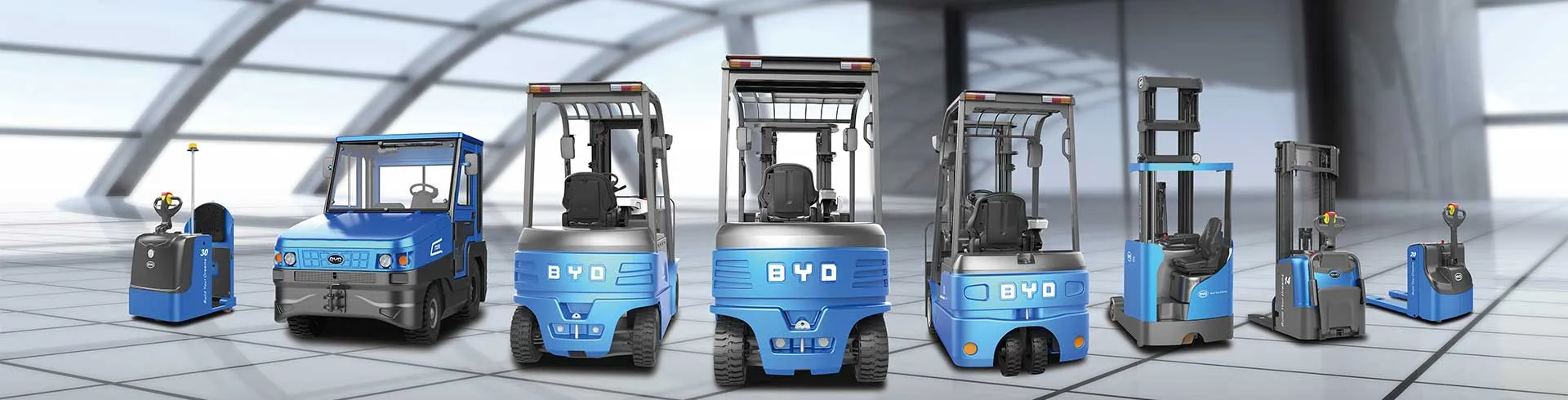
Dalam proses pengeluaran pembuatan, pengendalian bahan adalah pautan utama dalam menghubungkan semua pautan, dan pemilihan peralatan secara langsung mempengaruhi kecekapan pengeluaran dan kos operasi. Forklift elektrik, dengan kelebihan seperti perlindungan alam sekitar hijau dan bunyi yang rendah, digunakan secara meluas dalam pergudangan dalaman dan senario pengendalian jarak dekat. Kertas kerja ini menyediakan rangka kerja analisis objektif untuk perusahaan pembuatan dari dua dimensi: pertimbangan teras pemilihan peralatan dan kos komprehensif forklift elektrik.
Pertimbangan teras pemilihan peralatan pengendalian bahan dalam industri pembuatan
Pemilihan peralatan pengendalian bahan dalam pembuatan perlu digabungkan dengan keperluan operasi sebenar untuk mengelakkan mengejar prestasi atau kos secara membuta tuli.
# Senario kerja dan kesesuaian peralatan
Persekitaran pengeluaran berbeza dengan ketara dalam industri yang berbeza, seperti bengkel pembuatan kereta perlu menangani pengendalian komponen berat, manakala kilang elektronik memberi tumpuan kepada pusing ganti kepingan kecil yang tepat. Pilihan jenis forklift elektrik perlu sepadan dengan ciri pemandangan: forklift seimbang sesuai untuk tapak terbuka luar, forklift boleh bergerak ke hadapan boleh beroperasi dengan cekap di gudang laluan sempit, dan forklift yang dipilih adalah untuk akses barangan rak bertingkat tinggi. Kesesuaian peralatan dan ruang kerja perlu dijelaskan semasa pemilihan model, untuk mengelakkan penggunaan saluran yang berlebihan akibat saiz peralatan yang berlebihan, atau terlalu kecil untuk menjejaskan kecekapan pengendalian.
# Kecekapan pengendalian dan keperluan produktiviti
Kecekapan pengendalian peralatan bergantung pada parameter seperti berat undian, kelajuan pemanduan, masa pemunggahan dan pemunggahan. Perusahaan perlu mengira kuantiti kerja seunit masa peralatan berdasarkan data seperti purata kapasiti pengendalian harian, kekerapan pusing ganti barangan. Sebagai contoh, jika bengkel perlu mengendalikan 500 keping barangan setiap hari dengan purata berat 50 kilogram, ia perlu dipastikan bahawa forklift yang dipilih mempunyai kelajuan pemanduan yang mencukupi dan kecekapan kitaran pemunggahan dan pemunggahan pada masa yang sama untuk mengelakkan kesesakan pengeluaran akibat kapasiti pengeluaran peralatan yang tidak mencukupi.
# Faktor ruang dan persekitaran
Dalam perancangan ruang pergudangan, keadaan fizikal seperti lebar saluran, galas beban tanah, dan ketinggian siling secara langsung mempengaruhi pemilihan peralatan. Jejari pusingan trak forklift elektrik yang terlalu kecil boleh menyebabkan kesukaran operasi, manakala galas beban tanah yang tidak mencukupi diperlukan untuk memilih model dengan tekanan pembumian yang rendah. Selain itu, faktor seperti suhu, kelembapan, kepekatan habuk dan faktor lain dalam persekitaran kerja juga perlu dipertimbangkan: bateri tahan sejuk dan peranti pemanas diperlukan untuk persekitaran suhu rendah, dan kawasan habuk tinggi perlu mengukuhkan perlindungan pengedap peralatan untuk mengelakkan memendekkan hayat perkhidmatan peralatan akibat faktor persekitaran.
Dimensi Utama Analisis Kos Komprehensif Forklift Elektrik
Penilaian kos forklift elektrik perlu melebihi harga pembelian awal dan mengambil kira nisbah input-output bagi keseluruhan kitaran hayat.
# Komposisi dan perbandingan kos pembelian awal
Kos awal forklift elektrik termasuk harga badan kenderaan, sistem bateri, sistem kawalan dan konfigurasi aksesori. Berbanding dengan forklift pembakaran dalaman, kos pembelian awal forklift elektrik biasanya lebih tinggi, tetapi ia boleh diimbangi secara beransur-ansur oleh kelebihan penggunaan tenaga dan kos penyelenggaraan dalam operasi jangka panjang. Pilihan perlu dibezakan dengan perbezaan konfigurasi asas forklift elektrik jenama yang berbeza (tidak termasuk jenama tertentu) untuk mengelakkan pengabaian parameter prestasi teras akibat mengejar harga rendah yang berlebihan, seperti hayat bateri, kuasa motor dan penunjuk utama lain yang secara langsung mempengaruhi kesinambungan operasi.
# Faktor yang mempengaruhi kos operasi dan penyelenggaraan jangka panjang
Kos penyelenggaraan forklift elektrik terutamanya termasuk penggantian bateri, penyelenggaraan motor, penyelenggaraan sistem hidraulik, dan lain-lain. Kitaran penggantian bateri asid plumbum biasanya 3-5 tahun, manakala bateri litium boleh dilanjutkan kepada 5-8 tahun, dan kekerapan penyelenggaraan adalah lebih rendah. Dalam penggunaan harian, kerap memeriksa haus tayar, kebersihan minyak hidraulik, sambungan litar dan butiran lain boleh mengurangkan kebarangkalian kegagalan secara tiba-tiba. Di samping itu, ketahanan peralatan juga mempengaruhi kekerapan penyelenggaraan: forklift yang menggunakan rangka kerja berkekuatan tinggi dan reka bentuk pengedap boleh memanjangkan hayat komponen strukturnya sebanyak 20% -30%, secara tidak langsung mengurangkan masa henti penyelenggaraan.

# Penilaian penggunaan tenaga dan kos perlindungan alam sekitar
Kos penggunaan tenaga forklift elektrik adalah terutamanya penggunaan elektrik, berbeza dengan kos diesel atau petrol forklift bahan api. Pada intensiti operasi yang sama, kos penggunaan tenaga seunit forklift elektrik hanya 1/3-1 / 2 forklift pembakaran dalaman, dan tiada pelepasan ekzos, yang memenuhi keperluan pengeluaran hijau. Beberapa kawasan menawarkan subsidi dasar kepada syarikat yang memenuhi piawaian perlindungan alam sekitar untuk mengurangkan lagi kos operasi jangka panjang. Di samping itu, tahap hingar forklift elektrik biasanya di bawah 75 desibel, yang memenuhi piawaian had hingar tapak industri dan mengurangkan kesan kesihatan pekerjaan kepada pekerja.
# Nilai komprehensif kitaran hayat peralatan
Kos kitaran hayat forklift elektrik perlu dinilai bersama-sama dengan nilai baki peralatan dan kitaran kemas kini. Jika peralatan kekal berprestasi baik selama lebih daripada 5 tahun, kos purata tahunan akan dikurangkan dengan ketara. Syarikat boleh mengurangkan tekanan input awal melalui model pajakan sambil mengekalkan fleksibiliti peningkatan teknologi peralatan. Sebagai contoh, forklift elektrik dengan reka bentuk modular memudahkan peningkatan sistem bateri atau pemasangan modul penghantaran pintar kemudian, memanjangkan kitaran hayat peralatan yang berkesan dan meningkatkan pulangan pelaburan keseluruhan.
Kesimpulannya, apabila memilih peralatan pengendalian bahan, syarikat pembuatan perlu mewujudkan model pemilihan yang mengambil keperluan senario sebagai teras dan berorientasikan kos kitaran hayat penuh. Sebagai alat pengendalian yang cekap dan mesra alam, kelebihan kos komprehensifnya perlu lulus penilaian saintifik dan pengesahan penjejakan jangka panjang, dan akhirnya mencapai keseimbangan antara peningkatan kecekapan pengeluaran dan pengoptimuman kos operasi.


