简体中文
简体中文 Deutsch
 日本語
日本語 한국어
한국어 Tiếng Việt
 Русский
 ไทย
ไทย Bahasa Indonesia
 Bahasa Melayu
 Filipino
 لالعربية
 Français

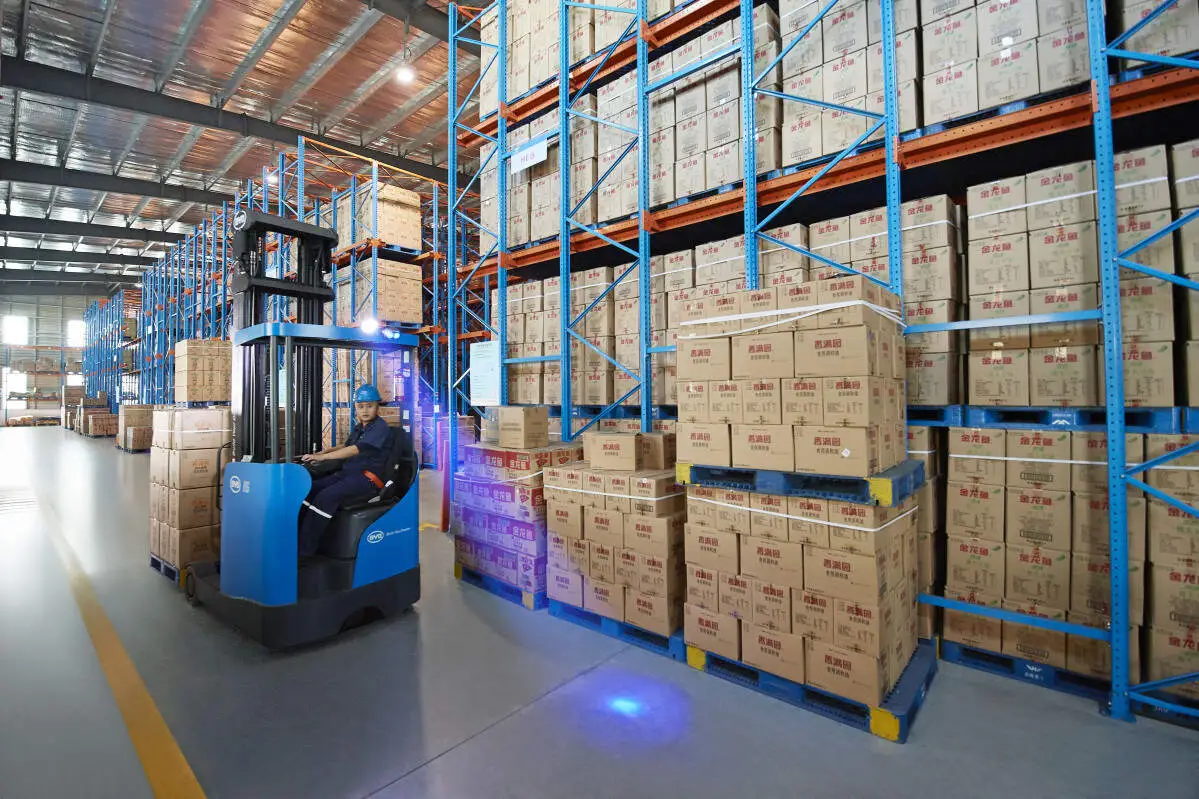
In the field of warehousing and logistics, 2-ton electric forklifts are commonly used handling equipment. Standardized driving and operation can not only ensure personal safety, but also prolong the service life of the equipment. As a professional in the field of electric forklifts, today we will sort out the relevant requirements from the two dimensions of qualification acquisition and specific operation.
First look at the qualifications required to drive a 2-ton electric forklift. According to the current special equipment regulations, electric forklifts are a kind of special motor vehicles in the field (factory). Operators need to obtain a special equipment operator certificate recognized by the market supervision and management department. The operation item code is N1. The certificate is common across the country and has a valid period of four years. Applicants for this certificate must meet several basic conditions, such as being at least 18 years old and not exceeding the legal retirement age. They are healthy and have no diseases or physiological defects that prevent them from engaging in field vehicle operations. They have corresponding safety technical knowledge and skills. In some areas, they are also required to complete the specified training and pass the theoretical and practical exams.
Next is the specific operation compliance requirements of the 2-ton electric forklift. Daily inspection is the first step in the compliance operation. Before operation, you need to go around the car to check whether the tire pressure is normal, whether there is any obvious damage to the appearance, whether the steering braking system is flexible and reliable, whether the light horn is working normally, whether the battery power is sufficient, whether the load sensor is sensitive, etc., and then start the vehicle after confirming that it is correct. During the operation, you must strictly abide by the operating procedures, such as maintaining an appropriate speed when driving, slowing down and honking in advance when turning, paying attention to the surrounding environment, prohibiting overloading and ultra-high and ultra-wide operations, prohibiting the use of forks to lead people or lift people, prohibiting turning or lateral driving on ramps, and prohibiting operation in flammable and explosive areas unless the equipment has a corresponding explosion-proof level. After the operation, park the vehicle in the designated safe area, turn off the power supply, pull up the handbrake, lower the fork to the lowest position, and keep a record of equipment cleaning and operation.