简体中文
简体中文 Deutsch
 日本語
日本語 한국어
한국어 Tiếng Việt
 Русский
 ไทย
ไทย Bahasa Indonesia
 Bahasa Melayu
 Filipino
 لالعربية
 Français
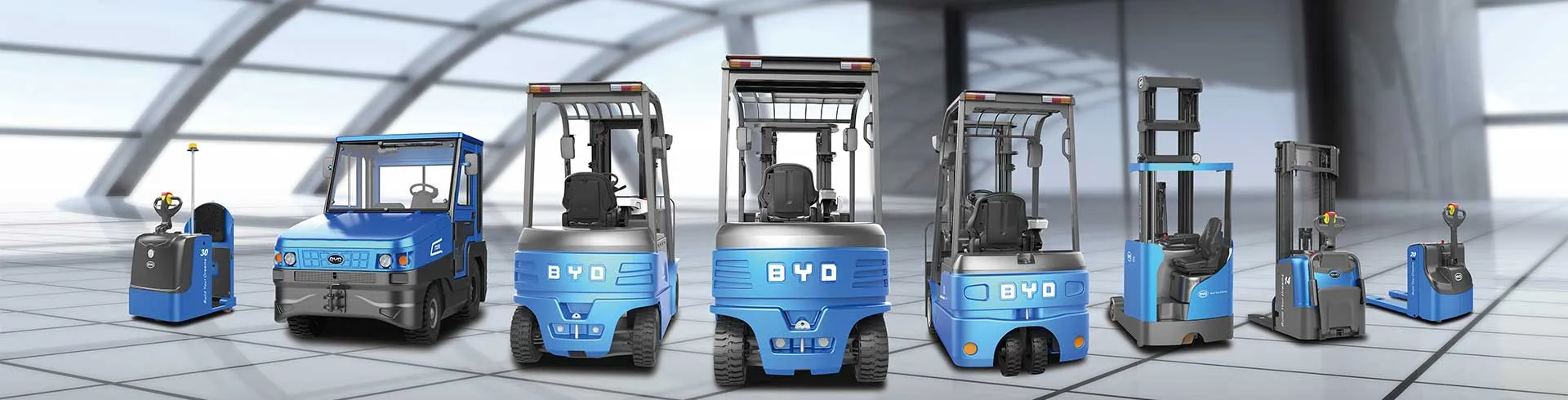
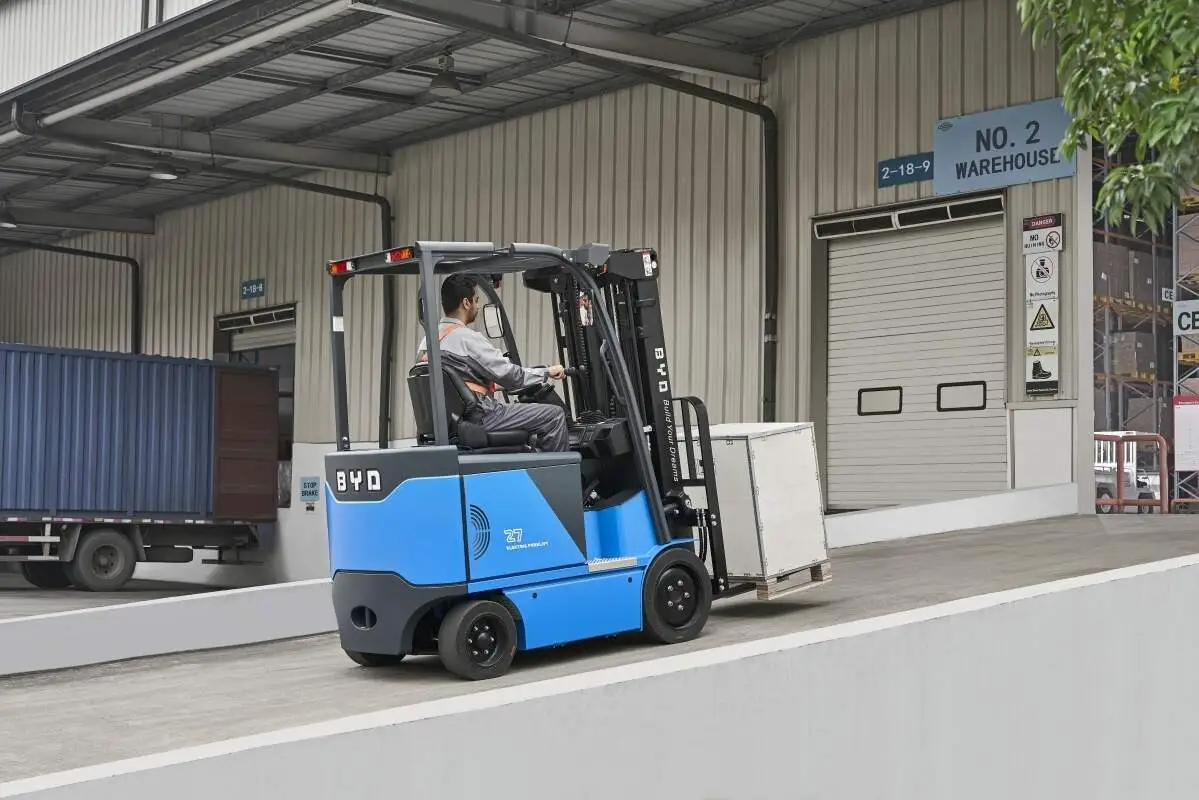
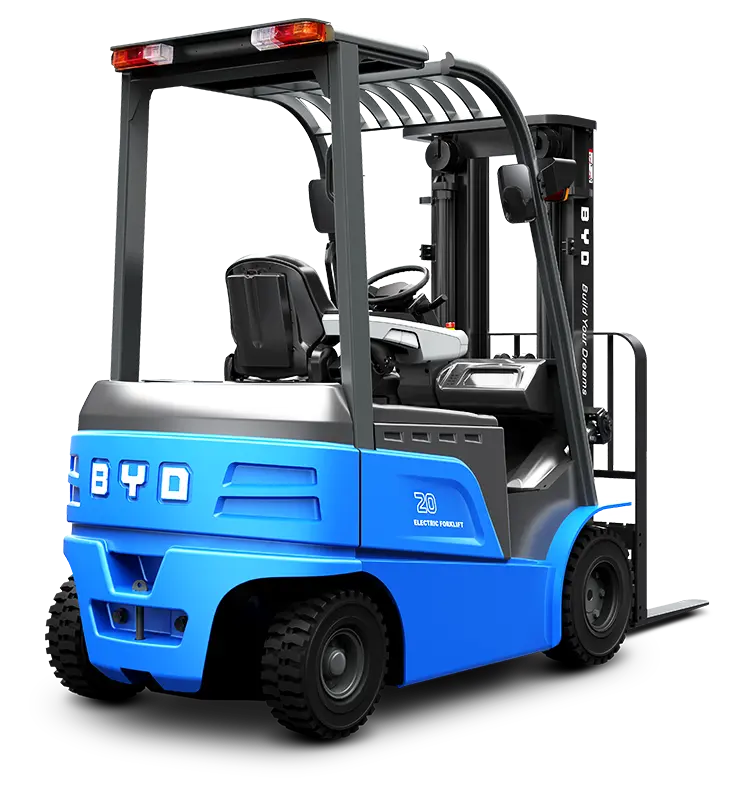
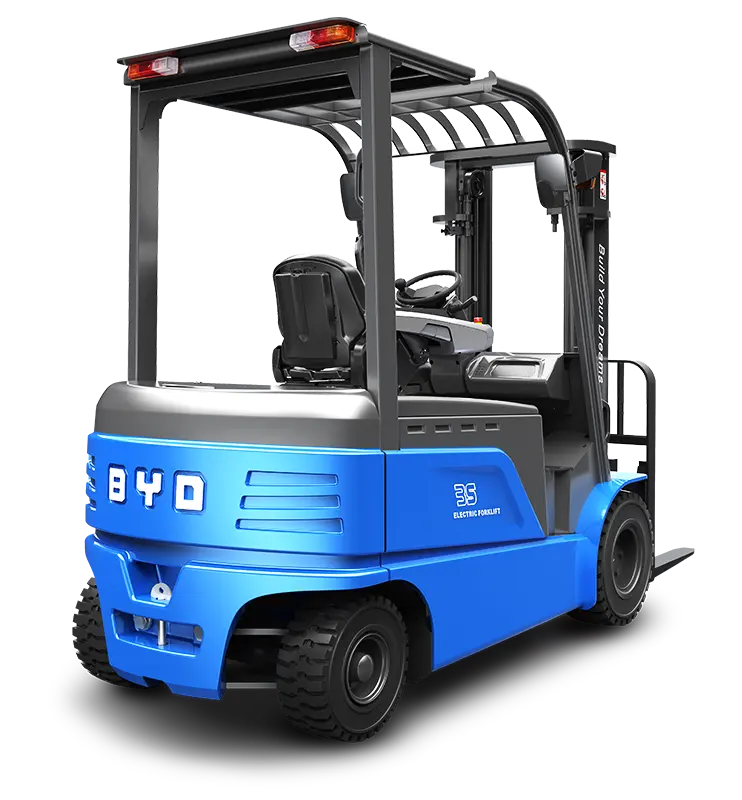
5-Ton lithium-ion forklifts are often used in logistics park warehousing and turnover factory workshop material handling and other medium and heavy cargo scenarios. Battery life is one of the core considerations when users choose and use equipment. Generally speaking, the battery life of equipment will be affected by non-configuration factors such as ambient temperature operating habits, but the core determinant is still the hardware configuration of the vehicle itself.
The first is the battery-related configuration. Battery capacity is the most intuitive related item, but it cannot only look at the nominal ampere-hour number. It needs to be comprehensively judged in combination with the overall power demand of the vehicle. Devices with high power and capacity adaptation can more efficiently utilize stored power. Secondly, the type of battery. There are certain differences in the energy density of the two types of batteries commonly used in the market. Cells with relatively high energy density can store more power under the same volume and weight, which has a positive effect on battery life. Different types of batteries also have other characteristics. Users can focus on choosing according to their own scenarios. In addition, a battery management system with stable performance is also very important. A battery management system can reasonably distribute power output, avoid battery overcharge and overdischarge, reduce unnecessary power loss, and improve the effective usable battery life. Some equipment suitable for low-temperature scenarios will also be equipped with battery insulation or preheating devices, which is also one of the configurations that indirectly affect battery life.
Then there is the matching of the motor and the electronic control. The motor is the power core of the vehicle, and different types of motors have different energy conversion efficiencies. Motors with high conversion efficiency can convert more battery power into mechanical power and reduce energy waste. The electronic control system is responsible for coordinating the working status of the motor and the battery, accurately controlling the power output. A well-tuned and timely response electronic control system can optimize energy consumption under different operating conditions such as vehicle start-stop steering, and help improve battery life. In addition, the transmission system configuration of the vehicle, such as the transmission efficiency of the gearbox, also affects the loss in the energy transfer process. The structure with high transmission efficiency allows the power to reach the wheels more smoothly.