简体中文
简体中文 Deutsch
 日本語
日本語 한국어
한국어 Tiếng Việt
 Русский
 ไทย
ไทย Bahasa Indonesia
 Bahasa Melayu
 Filipino
 لالعربية
 Français

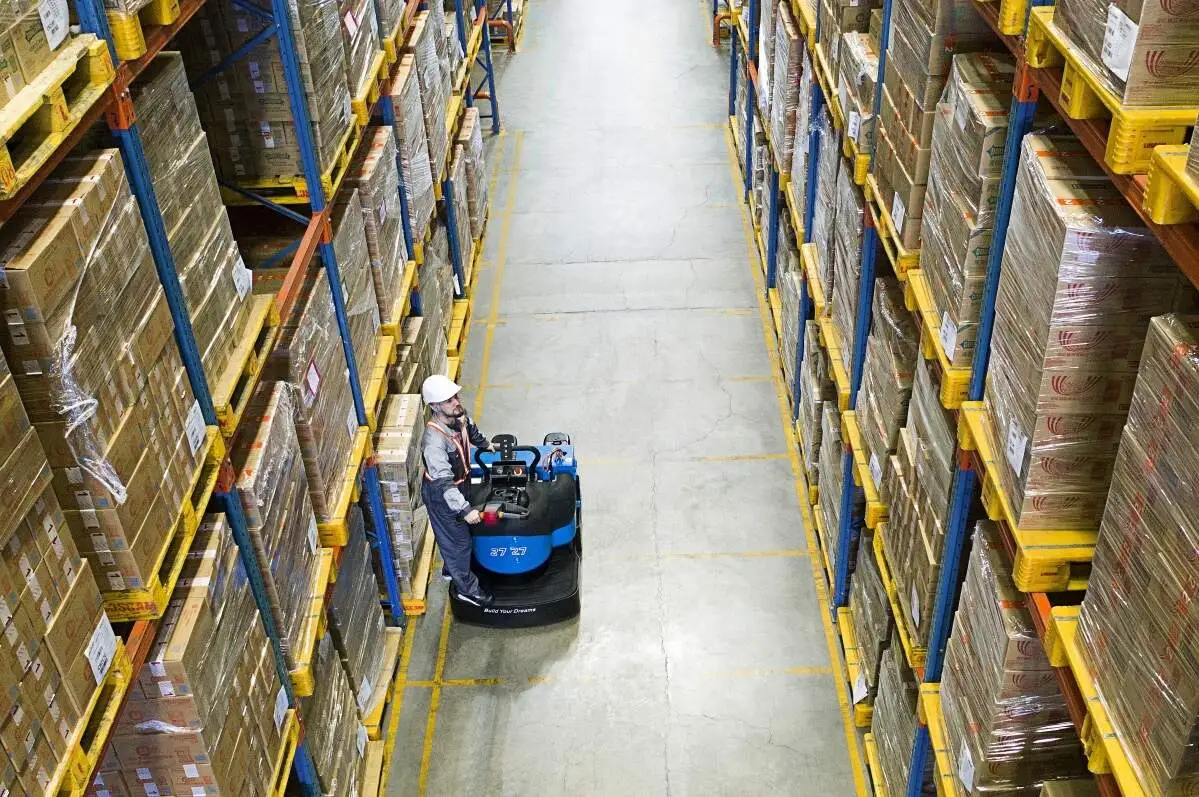
With the rapid development of warehousing, logistics, and manufacturing, electric forklifts have become the core equipment for on-site material transfer. At present, the common electric forklifts on the market are mainly divided into two categories: lithium-ion forklifts and traditional lead-acid forklifts. Many users do not know the differences between the two types of products when purchasing. Here are the core advantages of lithium-ion forklifts from multiple dimensions.
efficiency advantage
Higher charging efficiency
The lithium-ion forklift supports fast charging mode, which can be fully charged in 1 to 2 hours under normal working conditions, and supports charging at any time. Replenishment between jobs will not affect battery life, which is very suitable for scenarios of continuous operation in multiple shifts. Traditional lead-acid forklifts generally take 8 to 10 hours to be fully charged, and require full charging. Intermittent replenishment will greatly shorten battery life. It is necessary to reserve a long-term charging period separately, and scheduling flexibility is relatively low.
Higher energy density
Under the same volume, the energy density of lithium-ion batteries is about three times that of lead-acid batteries. Under the same battery capacity, the single charging operation time of lithium-ion forklifts is about 30% higher than that of lead-acid forklifts. There is no need to frequent the charging area during operation, and the transfer efficiency is higher in high-load operation scenarios.
Operation and maintenance and cost advantage
Lower maintenance costs
The battery of a lithium-ion forklift is a sealed structure, and no additional maintenance is required during daily use, only the circuit connection status needs to be checked regularly. Traditional lead-acid forklifts need to be regularly filled with distilled water, detect the density of the electrolyte, and clean up the leakage and corrosion marks on the battery surface in time. The annual maintenance cost is much higher than that of a lithium-ion forklift.
Longer service life
Under the premise of normal and standardized use, lithium batteries can be charged and discharged more than 2,000 times, which is 2 to 3 times that of traditional lead-acid batteries. The overall service life is longer, and the annual purchase cost is lower. The cost-effectiveness advantage of long-term use is more obvious.
Scene adaptation advantage
More adaptable to the environment
The battery temperature adaptation range of lithium battery forklifts is wider, and it can operate stably in an environment from minus 20 degrees Celsius to plus 60 degrees Celsius. The discharge attenuation rate in low temperature environments is lower, and it can also maintain stable battery life in outdoor or cold storage operation scenarios in northern winter. Traditional lead-acid batteries will experience a significant decline in battery life in low temperature environments, and electrolyte crystallization may occur when the temperature is too low, which affects normal use.
Better environmental attributes
Lithium batteries do not contain lead, acid and other harmful heavy metal substances, and will not produce acid mist, leakage and other problems during use, will not pollute the working environment, and do not require a separate isolation charging area, which is more in line with the current requirements of green storage and clean production.
Users can choose the appropriate type of forklift according to their own operating intensity, scenario requirements, and budget level. For high-load, multi-shift operation scenarios, lithium-ion forklifts are preferred. For scenarios with low operating intensity and limited budget, lead-acid forklifts can also be selected according to their needs.