简体中文
简体中文 Deutsch
 日本語
日本語 한국어
한국어 Tiếng Việt
 Русский
 ไทย
ไทย Bahasa Indonesia
 Bahasa Melayu
 Filipino
 لالعربية
 Français
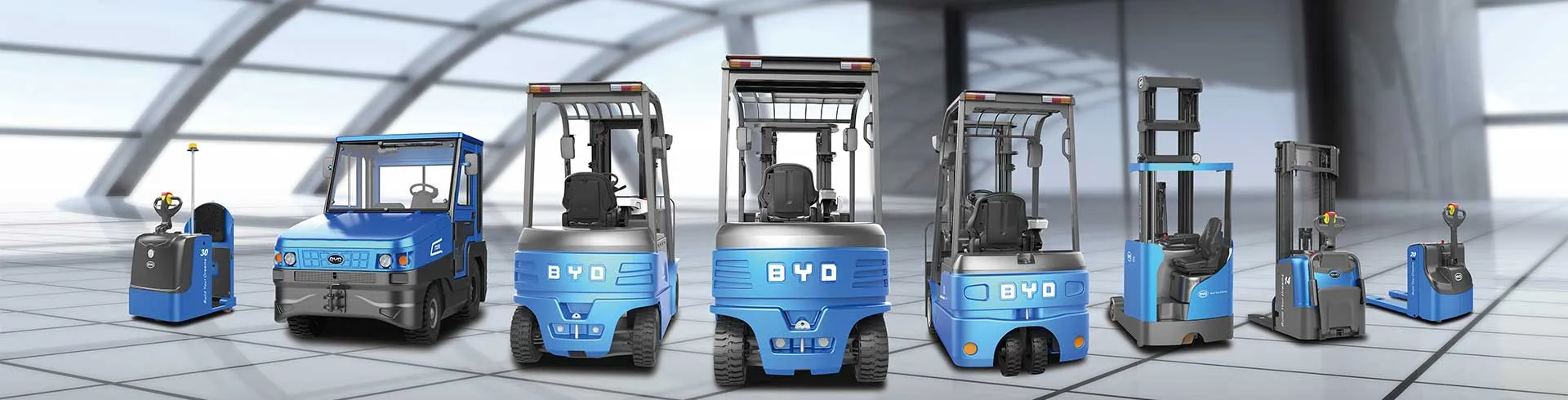
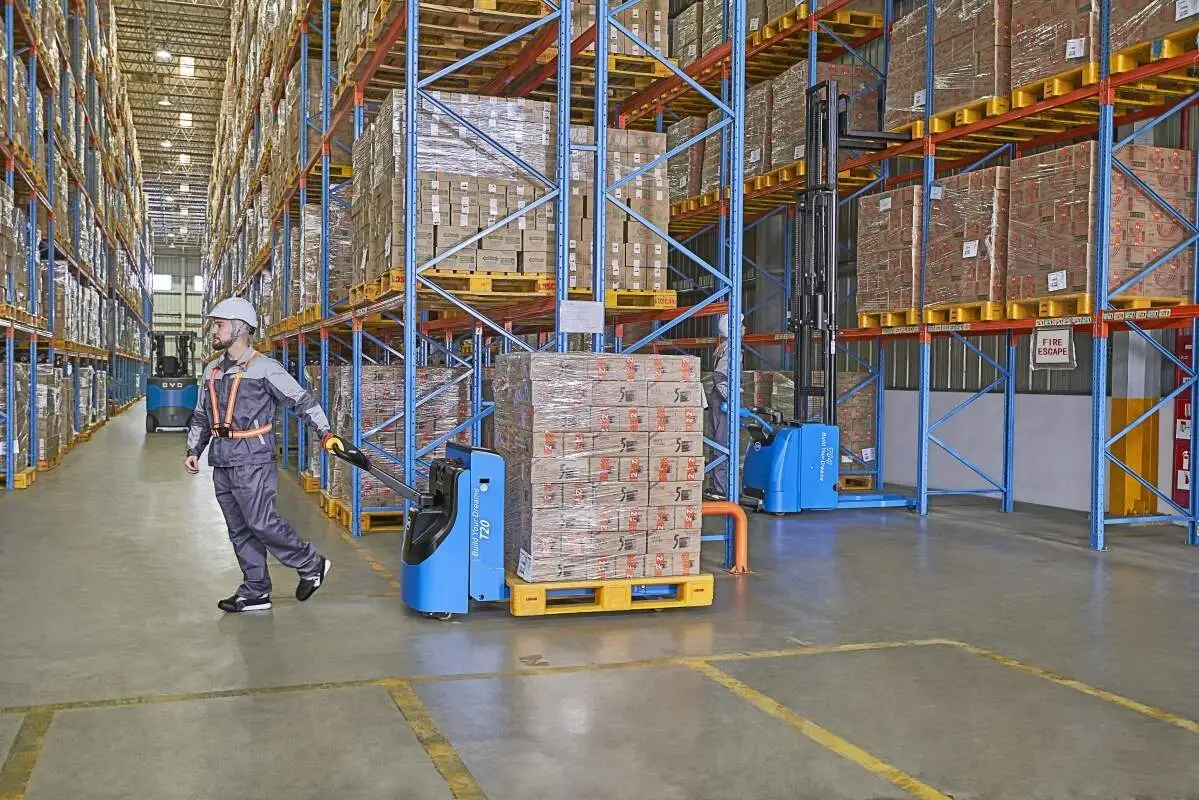
Electric pallet trucks are commonly used equipment in warehousing and logistics, and various faults will inevitably occur in daily use. Grasping scientific investigation ideas can effectively improve maintenance efficiency and reduce downtime. The following takes BYD P20SII electric pallet truck as an example to share practical troubleshooting methods.
Basic principles of troubleshooting
Before conducting troubleshooting, three core principles should be followed: prioritize troubleshooting simple and easy-to-solve problems before dealing with complex faults; check external visible components first, and then disassemble the internal structure; and cut off the power supply before all troubleshooting operations to ensure safe operation and avoid electrical short circuits or mechanical injuries.
Power system troubleshooting
If the vehicle cannot be started, first check the remaining battery power, which can be judged by the dashboard power display. If the power is insufficient, it needs to be charged in time. Then check whether the battery terminals are loose or oxidized. If there is such a situation, clean the terminals and tighten the wiring. Then confirm whether the key switch is normal, which can be judged by the feedback sense or measurement of the on-off situation during the switch. If there is no problem with the above, check whether the controller has a fault code, and interpret the fault information according to the equipment manual to locate the specific problem.
Troubleshooting of walking system
When the vehicle is weak or unable to walk, first check the tires for excessive wear, stagnation or abnormal air pressure, which will directly affect the walking performance; then check whether the wiring of the drive motor is firm, loose or damaged; then check whether the walking parameters of the controller are set normally, and if necessary, refer to the manual to adjust; finally check whether the braking system is locked. If the brakes cannot be returned normally, adjust the brake clearance or replace the relevant parts.
Hydraulic system troubleshooting
If the hydraulic lifting malfunctions, first check whether the hydraulic oil level is in the normal range, and if it is insufficient, it is necessary to supplement the hydraulic oil that meets the specifications; then check whether the hydraulic YouTube and joints are leaking, and replace the seals or YouTube in time if there is any leakage; then check whether the hydraulic pump is working normally, which can be judged by listening to the running sound or measuring the pressure; finally check whether the lifting solenoid valve is stuck or the circuit is faulty, and disassemble and clean or replace the solenoid valve if necessary.
Common faults of electrical system
For electrical faults such as poor lighting and warning buzzer failure, priority should be given to checking whether the fuse of the corresponding part is blown. If it is blown, the fuse of the same specification needs to be replaced. Then check whether the line connection is loose or damaged, especially the line in the wear-prone part. Finally, check whether the part itself is damaged, such as whether the light bulb is burned out, whether the buzzer is faulty, and replace the parts if necessary.
When troubleshooting daily, it is necessary to keep a record of the fault, including the fault phenomenon, troubleshooting steps and solutions, so as to facilitate the quick handling of similar problems in the future. If you encounter complex faults or problems that cannot be located, it is recommended to contact professional maintenance personnel to assist in handling them to avoid secondary damage to the equipment due to improper operation.