简体中文
简体中文 Deutsch
 日本語
日本語 한국어
한국어 Tiếng Việt
 Русский
 ไทย
ไทย Bahasa Indonesia
 Bahasa Melayu
 Filipino
 لالعربية
 Français
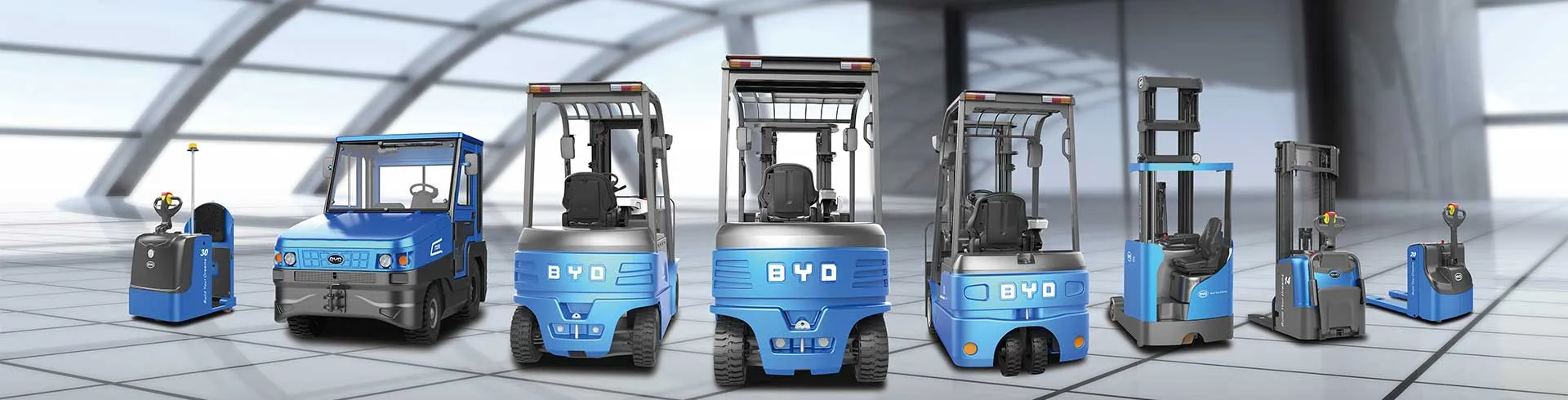
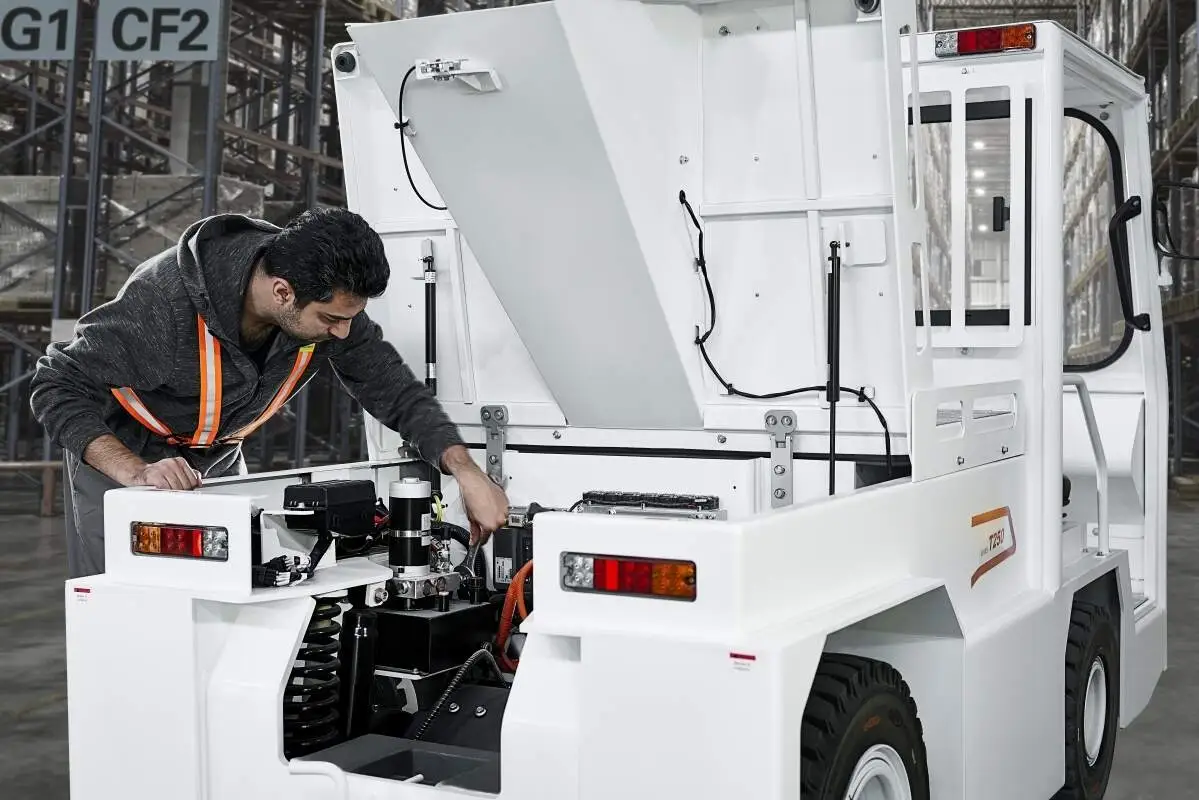
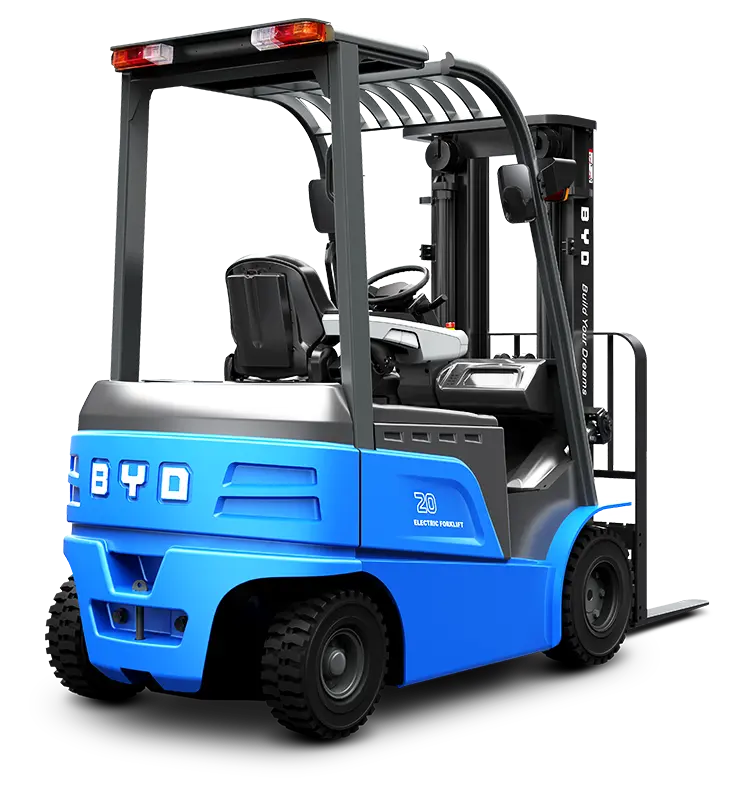
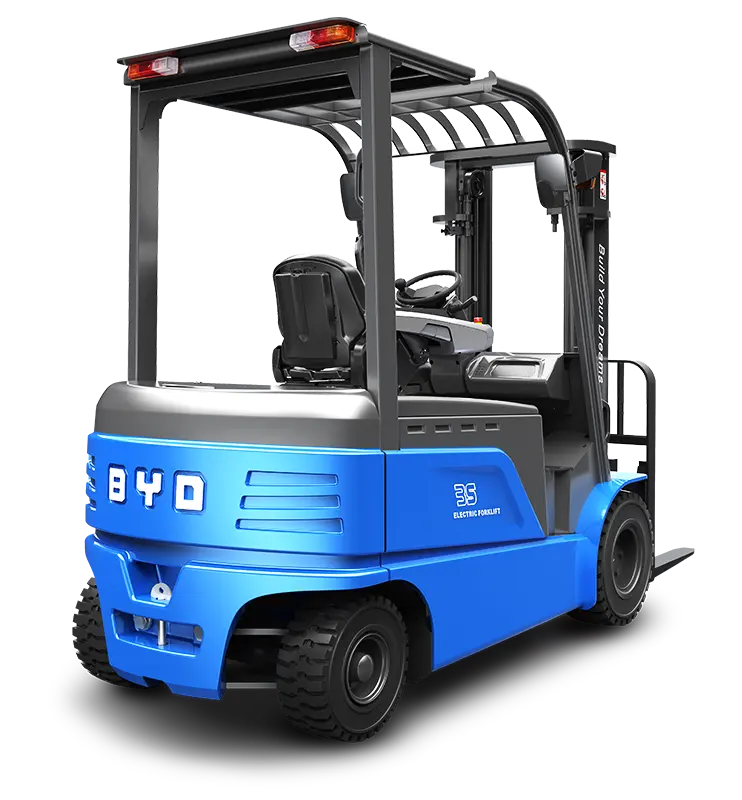
In industrial logistics and special operating scenarios involving flammable and explosive materials, the selection of explosion-proof forklifts is directly related to operational efficiency and safety compliance. Three-point and four-point explosion-proof forklifts are widely used in the market. Many companies will pay attention to the adaptability of BYD's related models when selecting models. The following analyzes the difference between the two types of forklifts from the core dimension and provides selection reference.
Workspace and mobility differences
The three-pivot explosion-proof forklift adopts a compact steering structure design with a smaller turning radius. In indoor scenes with narrow passages and dense storage shelves, it can flexibly complete steering, U-turn and other operations, and easily shuttle in limited space, especially suitable for small warehouses, workshops and other limited working environments. The four-pivot explosion-proof forklift has a wider wheel base and a relatively large turning radius, making it more suitable for open outdoor work sites or large warehouses with spacious passages. When transported in a long straight line, the driving stability is more prominent, which can reduce the risk of cargo shaking.
Bearing capacity and stability differences
From the perspective of load-bearing specifications, the load-bearing range of four-point explosion-proof forklifts is usually wider, and the choice of large-tonnage models is more abundant. When handling heavy-duty explosion-proof goods, the four-point support structure can provide stronger stability, effectively reduce the risk of rollover, and adapt to the handling needs of heavy goods. The load-bearing tonnage of three-point explosion-proof forklifts is relatively moderate, and it is more biased towards the handling of small and medium-weight goods. Its structural design gives priority to ensuring operational flexibility, which has obvious advantages in light-load and frequent steering operation scenarios.
Job Scenario Adaptation Difference
In addition to space and carrying capacity, it is also necessary to choose according to the special requirements of the operating environment. If the operation area is a small storage area involving flammable and explosive materials, and the width of the operation channel is less than 3 meters, the flexibility of the three-point explosion-proof forklift can better meet the daily operation needs; if it is a large chemical factory area or an outdoor explosion-proof cargo yard, it needs to handle heavy goods and the operation area is open, and the large tonnage and high stability characteristics of the four-point explosion-proof forklift are more suitable.
BYD model selection reference
When choosing BYD's explosion-proof forklifts, if the operation scene is mainly light-duty operations in narrow indoor spaces, you can pay attention to the corresponding three-point models. Its compact design can adapt to the layout of most storage shelves and improve space utilization. If you need to undertake heavy cargo handling or outdoor long-distance transportation operations, the large tonnage option of the four-point model can better meet the needs. At the same time, it is necessary to confirm whether the explosion-proof configuration of the model meets the relevant specifications according to the explosion-proof grade requirements of the operation site to ensure the safety compliance of the operation process.
Overall, three-point and four-point explosion-proof forklifts each have their own emphasis. Enterprises need to consider various factors such as operating space, cargo weight, and operating environment when selecting models, and combine the adaptation characteristics of BYD models to select explosion-proof forklifts that meet their own needs and improve operating efficiency under the premise of ensuring safety.