简体中文
简体中文 Deutsch
 日本語
日本語 한국어
한국어 Tiếng Việt
 Русский
 ไทย
ไทย Bahasa Indonesia
 Bahasa Melayu
 Filipino
 لالعربية
 Français
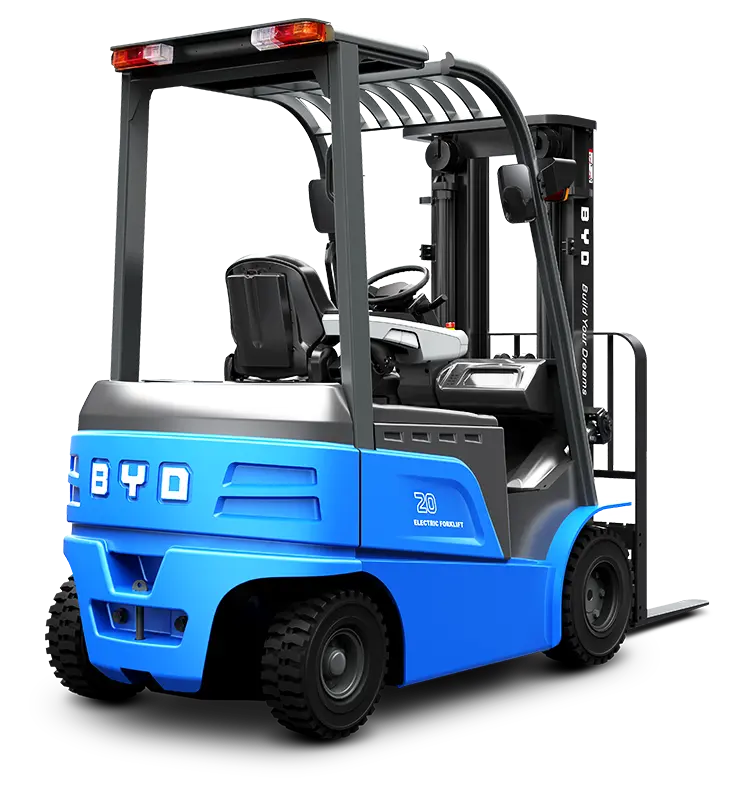
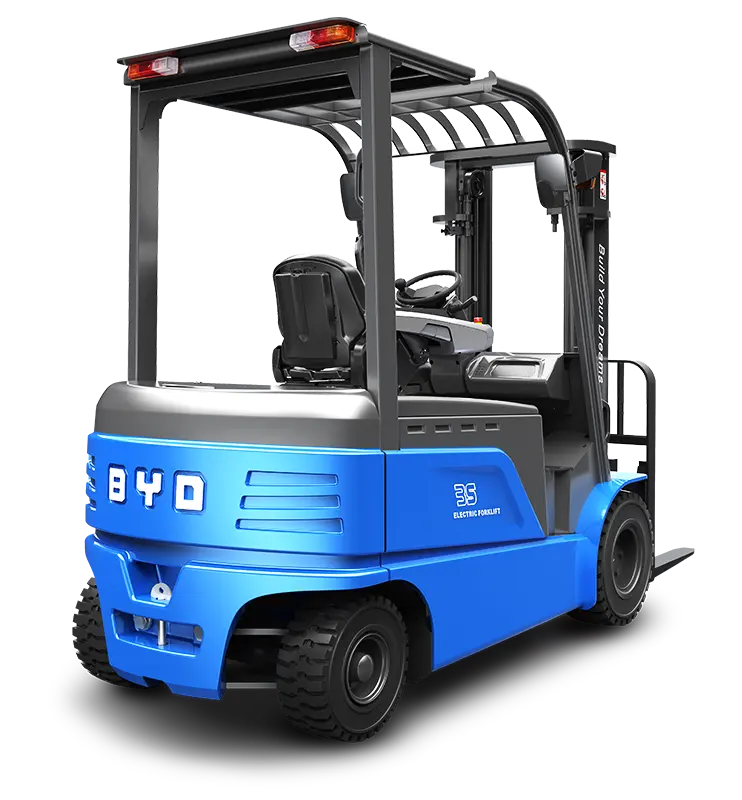
In the development process of small and medium-sized factories, they often face problems such as fluctuating demand for cargo handling and limited efficiency of equipment operation. At this time, the update of handling equipment is an important measure to improve the warehousing and logistics link. As the core handling tool of most small and medium-sized factories, the 3.5-ton forklift is currently the choice of many enterprises to switch from traditional power to lithium batteries. Let's talk about the practical characteristics of this type of equipment from multiple dimensions.
Adaptability is one of the core considerations when selecting equipment for small and medium-sized factories. The size design of 3.5-ton lithium-ion forklifts is usually close to that of traditional internal combustion forklifts and lead-acid electric forklifts of the same tonnage. It can be directly put into use without large-scale modifications to existing workshop passages, shelf spacing, loading and unloading platforms and other facilities. At the same time, the load and lifting height coverage of this type of equipment is also relatively wide, which can meet the daily handling needs of most industries such as electronics, food, textiles, hardware, etc. Whether it is short-distance warehouse turnover, or with trucks loading and unloading pallet goods, it can complete basic tasks.
In terms of operation and maintenance costs, the 3.5-ton lithium-ion forklift also has a certain performance. First, its energy consumption mainly depends on electricity, which is usually lower than that of traditional internal combustion forklifts. Second, the daily maintenance of lithium batteries is relatively simple, and it does not need to regularly replenish water, clean electrodes, and detect specific gravity like lead-acid batteries, which can reduce a lot of maintenance labor and time costs. In addition, the service life of lithium batteries is generally long, and the number of rechargeable cycles under normal use is relatively large. The replacement cycle is relatively delayed, which can also reduce the investment cost of some equipment in long-term operation.
The flexibility of charging and use is also worth paying attention to. The 3.5-ton lithium-ion forklift supports charging and use at any time. It does not need to be fully discharged and then fully charged like lead-acid batteries, and it will not affect the battery life due to frequent replenishment. This is more practical for small and medium-sized factories where the production rhythm is not fixed and sudden handling tasks may occur. In addition, the charging speed of this type of equipment is usually fast, and a certain amount of power can be replenished during lunch breaks or short downtime to ensure the continuity of production operations.