简体中文
简体中文 Deutsch
 日本語
日本語 한국어
한국어 Tiếng Việt
 Русский
 ไทย
ไทย Bahasa Indonesia
 Bahasa Melayu
 Filipino
 لالعربية
 Français
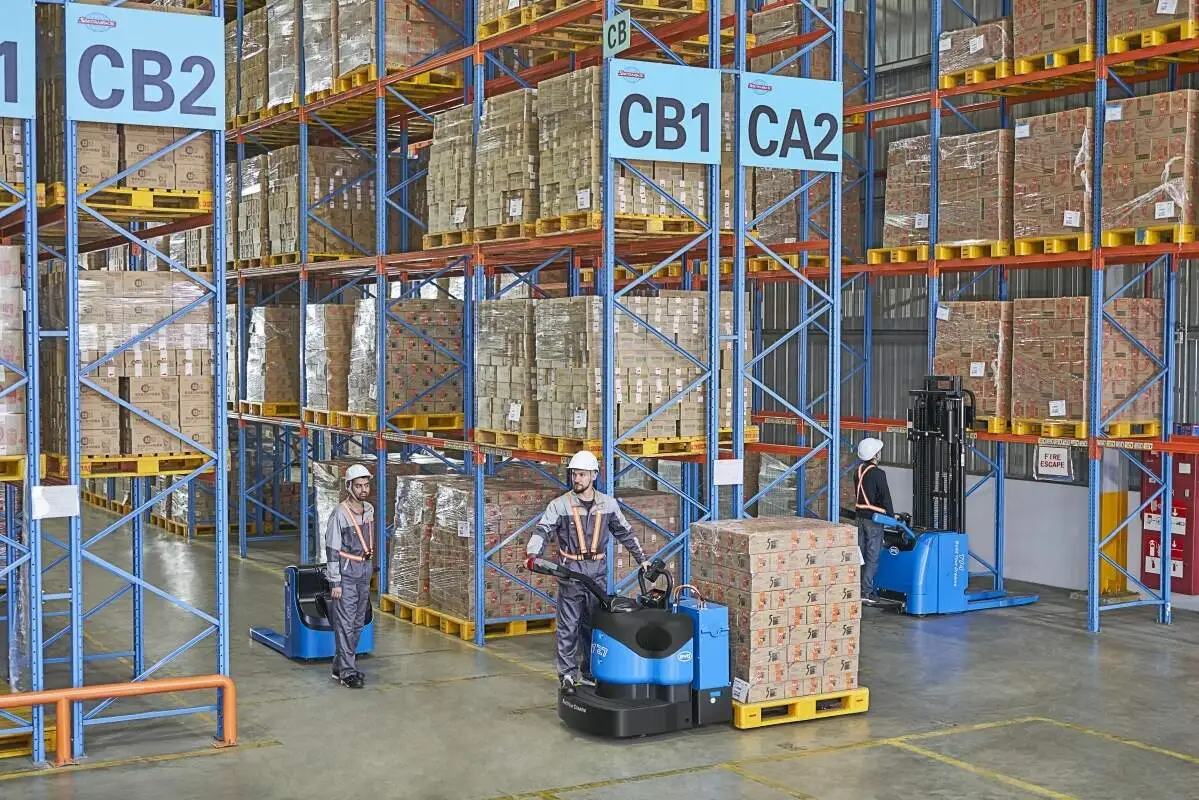
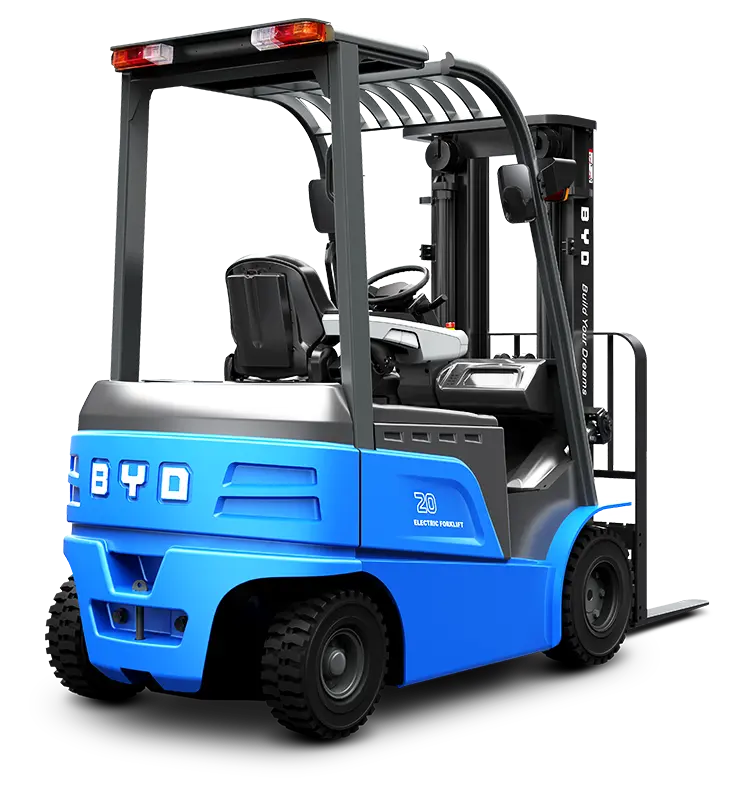
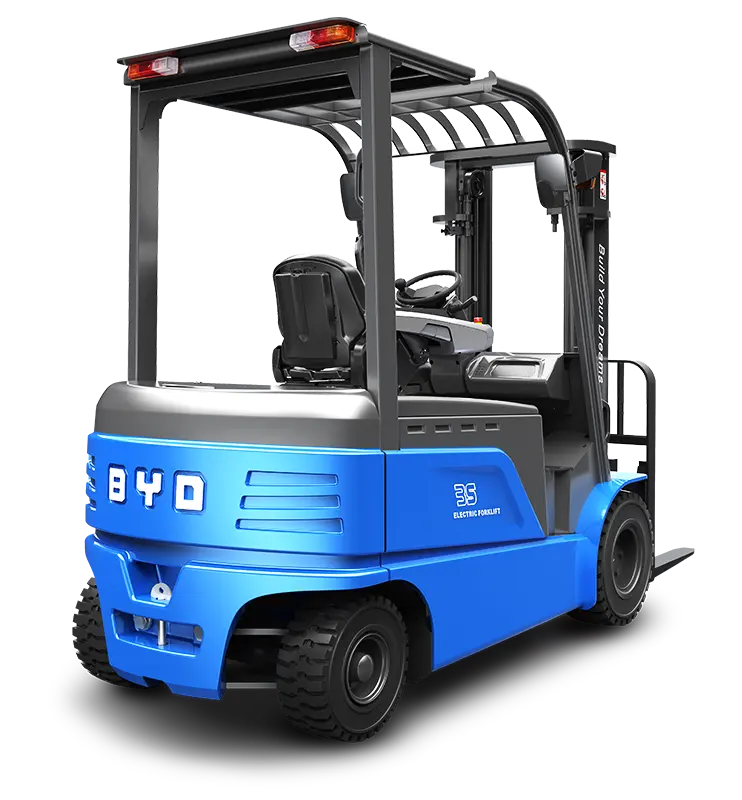
Side-lift lithium battery 5-ton forklifts are often used in continuous operation scenarios such as warehousing and distribution, cargo transfer, etc. Standardized loading and unloading of batteries can not only avoid safety hazards, but also effectively extend the service life of equipment and batteries.
Before carrying out battery loading and unloading operations, three basic preparations need to be made. First, prepare for the working environment, choose a ventilated, cool, solid and flat insulating ground, stay away from flammable and explosive items and open flames, and reserve enough operating space; second, prepare for personal protection. Operators must wear insulating acid-resistant gloves, goggles, non-slip safety shoes, and metal jewelry is prohibited. Third, prepare tools and signs to check whether the matching side battery device is in good condition and the load-bearing matches. Prepare matching insulating wrench screwdrivers, and hang clear no-closing and no-operation warning signs on the forklift operation panel, keyhole, and battery compartment door.
After the preparation work is completed, enter the power failure inspection link. Park the forklift smoothly in the designated work area, tighten the handbrake, pull out the key and place it properly to ensure that the vehicle is in a completely power-off state. Then disconnect the connection wire between the battery and the forklift in turn. It is necessary to strictly follow the order of dismantling the low-voltage control wire first and then the high-voltage power wire to avoid arc injury. After disconnecting, wrap the connector port with an insulating cap to prevent dust and water vapor from entering. Finally, wait 3 to 5 minutes for the internal capacitance of the vehicle to be fully discharged.
After the capacitor discharge is completed, start to remove the old battery. First check whether the lock of the battery compartment door is fully unlocked, then align the side battery access device with the special interface on the side of the battery and lock it firmly. Slowly and smoothly operate the access device to remove the old battery horizontally from the battery compartment and place it on the prepared load-bearing matching insulating tray to avoid the battery tilting or falling.
Next, install the new battery. First check the appearance of the new battery to confirm that there are no abnormal conditions such as bulging, leakage, and shell deformation, and check whether the voltage meets the rated requirements of the forklift. Then align the pick-and-place device with the special interface of the new battery and lock it firmly. Slowly and smoothly push the new battery horizontally into the battery compartment. Make sure that the positioning pin at the bottom of the battery is completely aligned and clamped with the positioning hole in the compartment, and the cabin door lock is locked smoothly. Then strictly follow the order of connecting the high-voltage power line first and then the low-voltage control line. After connecting, check whether the port is plugged in tightly.
After the installation is completed, carry out the final debugging. First remove all the warning signs, place them properly, then insert the key to power on, check whether the display of the vehicle dashboard is normal, including the remaining power, battery voltage, fault indicator status, etc., and then test the vehicle's front and rear driving, left and right steering, fork lifting and other functions in turn. After confirming that everything is normal, clean up the operation site and transport the old batteries to the designated regular recycling site to avoid environmental pollution caused by random discarding.