简体中文
简体中文 Deutsch
 日本語
日本語 한국어
한국어 Tiếng Việt
 Русский
 ไทย
ไทย Bahasa Indonesia
 Bahasa Melayu
 Filipino
 لالعربية
 Français
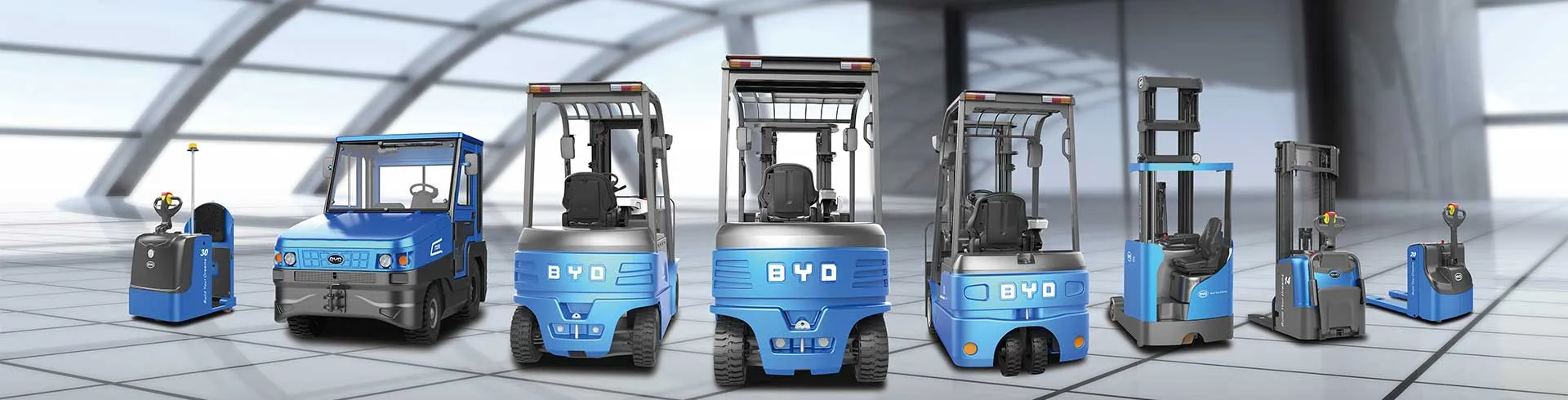
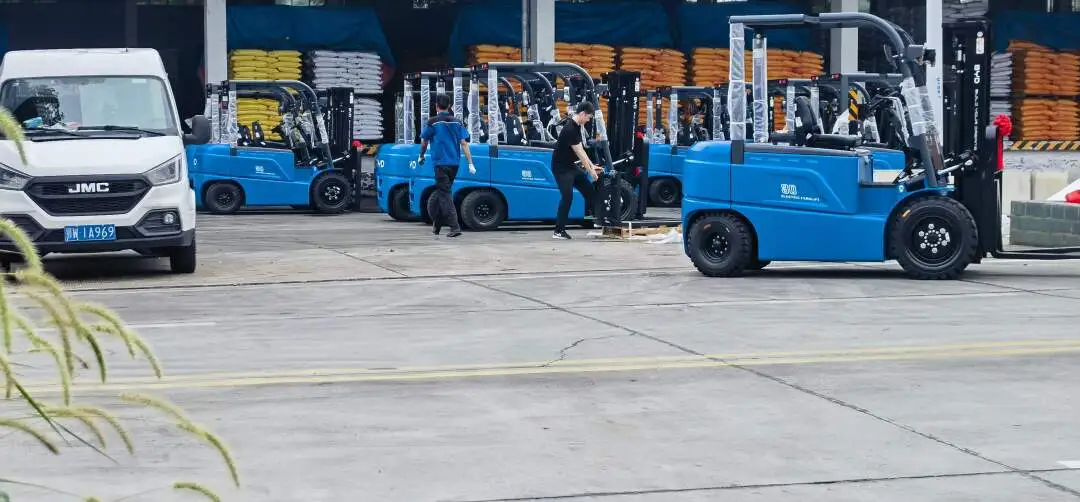
With the continuous advancement of electrification in the field of warehousing and logistics, 5-ton lithium-ion forklifts have become the choice of many enterprises due to their stable power, battery life to meet the needs of medium and short-distance heavy loads, and moderate use and maintenance costs. For small and medium-sized practitioners with limited budgets, compliance second-hand 5-ton lithium-ion forklifts have high cost performance and deserve attention.
When purchasing a second-hand 5-ton lithium battery forklift, you need to focus on three core dimensions. The first is the battery status. The cost of lithium batteries accounts for a large proportion of the whole vehicle. You need to give priority to checking the battery test report of a third party or equipment party in compliance to understand the actual remaining capacity and the number of charge and discharge cycles. At the same time, confirm whether the battery production batch and quality assurance policy are transferable to avoid purchasing a vehicle with obvious risks of bulging, leakage, and battery aging. Secondly, the status of core components, check whether the motor, controller, and hydraulic system are running with abnormal sounds, cards, or signs of oil leakage, test the sensitivity of the fork lifting and steering, and observe the degree of tire pattern wear and the deformation or repair marks of the frame girder, wheel hub, and other load-bearing structures. Finally, the source and compliance of the vehicle, the priority is to choose the regular second-hand equipment trading market or the channel with stable supply, ask for the complete instruction manual, factory certificate, historical maintenance records of the vehicle, and confirm that the vehicle has not had a major collision, wading and other safety accidents.
The key factors affecting the valuation of second-hand 5-ton lithium battery forklifts are closely related to the purchase focus. Usually based on the recent bare car price of the new car with the same configuration without tax, the residual value of the battery is the core adjustment item. When the remaining capacity is above 70%, the battery part can be converted into 50% to 70% of the cost of the new car without tax battery. When the remaining capacity is lower than 50%, it needs to be carefully evaluated. The service life of the vehicle is equally important as the working condition. The depreciation of vehicles used for indoor light throwing goods is slow, and it can generally be adjusted linearly according to the expected life of 10 years. For vehicles used for outdoor heavy-duty or multi-shift systems, the core components wear out faster, and the depreciation ratio needs to be appropriately increased. In addition, whether the core components have been replaced with accessories of the same specification in
In the recent domestic second-hand 5-ton lithium forklift market, vehicles that have been used for about three years and have more than 70% batteries remaining in compliance with formal channels have a tax-free price of about 45% to 60% of the same configuration as the new car; for vehicles with about 50% batteries remaining in about five or six years, the tax-free price is about 25% to 40%. Pay attention to avoid informal vehicles whose prices are significantly lower than the market range to avoid subsequent safety or maintenance disputes.