简体中文
简体中文 Deutsch
 日本語
日本語 한국어
한국어 Tiếng Việt
 Русский
 ไทย
ไทย Bahasa Indonesia
 Bahasa Melayu
 Filipino
 لالعربية
 Français
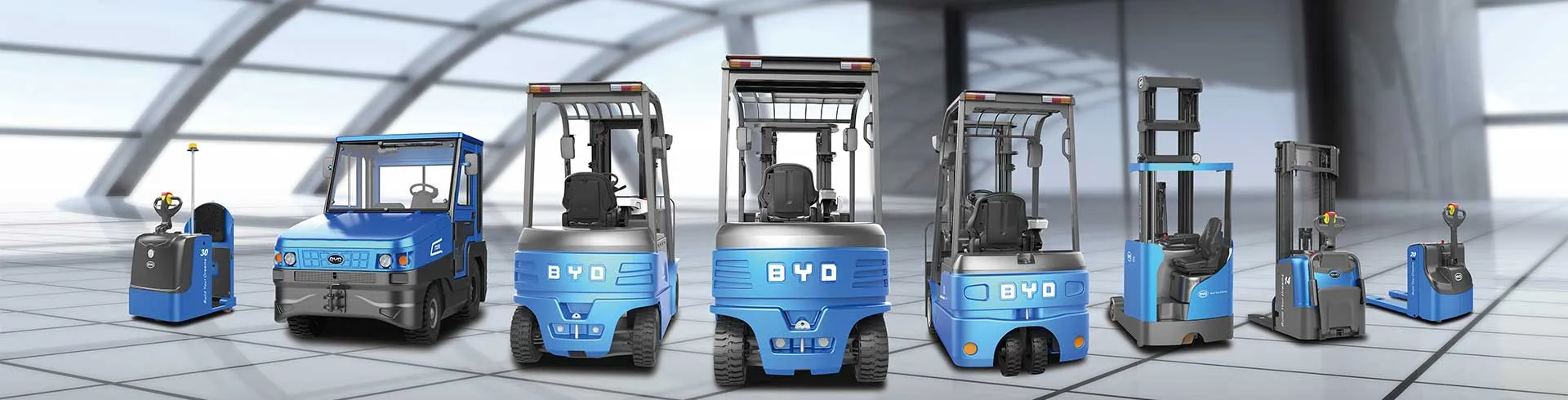
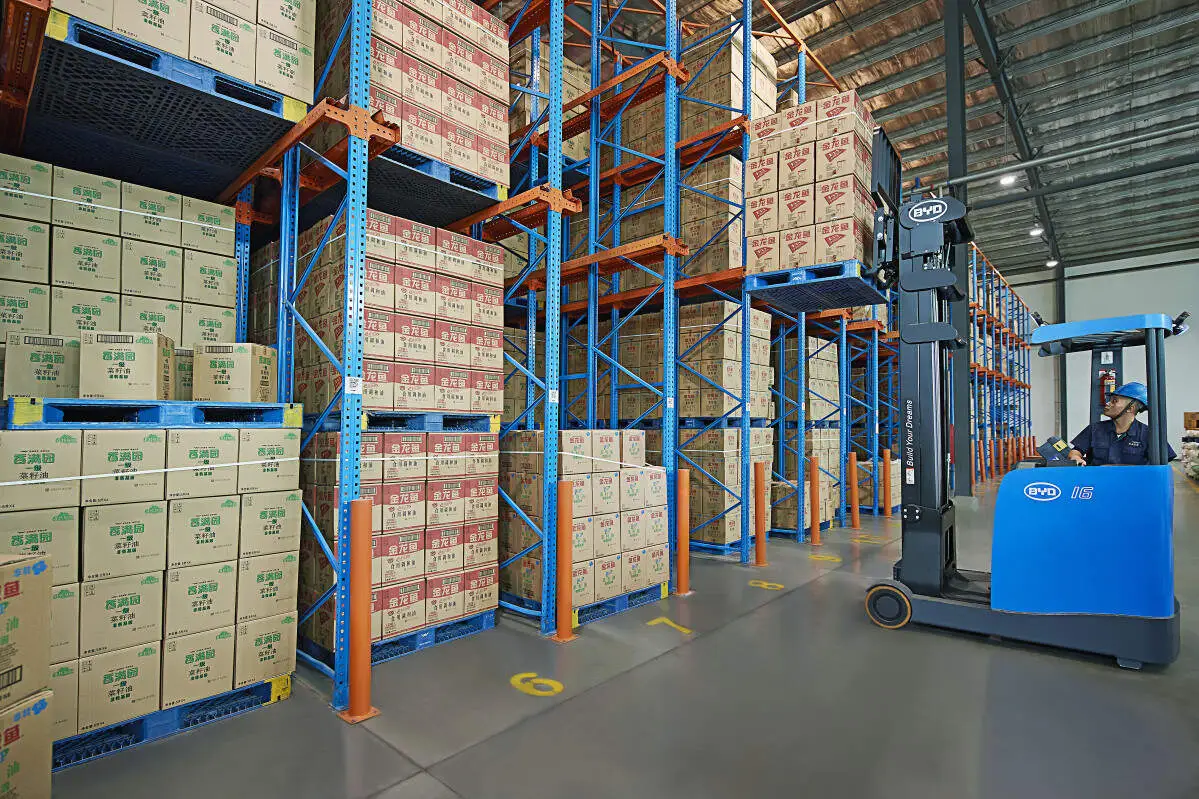
When purchasing a second-hand 1.5-ton lithium-ion forklift, you must first clarify your own usage scenarios, such as warehouse floor height, ground flatness, and daily handling volume. These directly determine the actual requirements for door frame height, tire type, and battery capacity. Avoid blind choices.
Next is the core condition detection link. The battery is the core component of the lithium-ion forklift, and the cost accounts for a high proportion. When testing, you must first look at the appearance, observe whether the battery pack shell is deformed, bulged, and leaked, and whether the interface is loose and oxidized. Then ask the other party to provide recent charge and discharge records. If there is a charging platform, you can test charge it on site to see if the charging power is stable. After trying to lift heavy objects for a period of time, observe whether the power decline speed is in line with expectations. You can also pay attention to the cleanliness of the battery compartment. The clean side of the battery compartment reflects the maintenance habits of the previous owner.
Then comes the inspection of the body part. First, go around the car to check the overall appearance to see if the car paint has been repaired in a large area, and whether the metal structure has obvious collision deformation and welding repair marks, especially the three stressed core parts of the door frame, the frame, and the fork. The door frame should check the tightness and wear of the lifting chain. The fork should check the thickness of the fork tip and whether there is any cracking. The frame should focus on the position of the front and rear axle connection and the chassis at the bottom of the cab to see if there is any rust or deformation.
The power and braking system cannot be ignored either. In terms of power, start the vehicle, listen to whether the sound of the engine or motor is stable, whether there is any abnormal noise, whether the power response is timely when stepping on the accelerator, and test the sensitivity of the foot brake and handbrake in terms of braking. Test the smooth road surface and the sloped road surface respectively to see if the braking is smooth, whether there is any deviation or skidding.
Finally, it is necessary to check the relevant information of the vehicle, such as the factory certificate, instruction manual, and maintenance records. Although second-hand equipment may have incomplete information, try to find a vehicle with complete maintenance records, so as to better understand the use and maintenance of the vehicle.