简体中文
简体中文 Deutsch
 日本語
日本語 한국어
한국어 Tiếng Việt
 Русский
 ไทย
ไทย Bahasa Indonesia
 Bahasa Melayu
 Filipino
 لالعربية
 Français
The Core Requirements of Prefabricated Vegetable Cold Storage for Forklift Operation
Most prefabricated dishes need to be stored in a low temperature environment of -18 ° C to 0 ° C. The storage space is compact, and the turnover frequency of goods is much higher than that of ordinary room temperature storage. Ordinary forklifts are difficult to adapt to this special environment of high humidity and low temperature, prone to circuit failures, component cards, etc., making it difficult to meet the high-frequency operation requirements of prefabricated vegetable storage.
Low temperature environment adaptation requirements
The cold storage of prefabricated dishes is in a state of low temperature and high humidity for a long time, and the temperature difference between vehicles entering and leaving the warehouse is large, which is prone to frost condensation. It requires extremely high anti-low temperature and anti-condensation performance of the circuit system and mechanical components of the forklift. Once the forklift fails, it will not only delay the turnover of goods, but also cause temperature fluctuations in the warehouse, which will affect the storage quality of prefabricated dishes.
Efficient turnaround operation requirements
The supply and demand cycle of pre-made dishes fluctuates greatly, especially in the peak consumption season, the frequency of goods entering and leaving the warehouse is several times that of the daily, requiring forklifts to quickly complete forking, transshipment, and stacking operations in narrow cold storage channels, which places high demands on the flexibility and endurance of forklifts.
Safety operation guarantee requirements
The floor of the cold storage is in a slippery state for a long time, and the line of sight is easily blocked by cold fog. During the operation, it is necessary to ensure the safety of the operator, and to avoid scratching the goods and storage shelves to reduce damage and safety hazards.
The core operation characteristics of cold storage forklifts
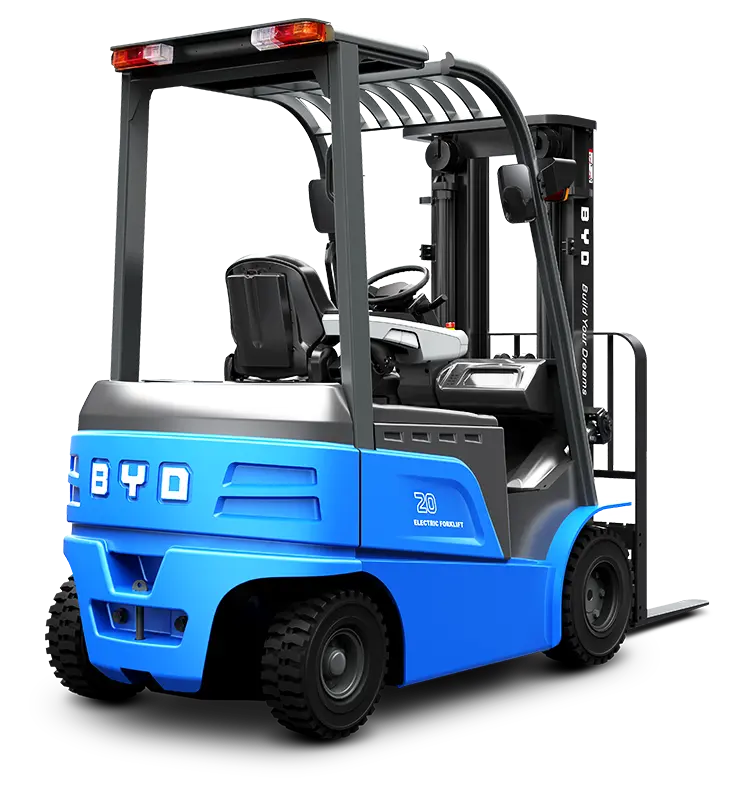
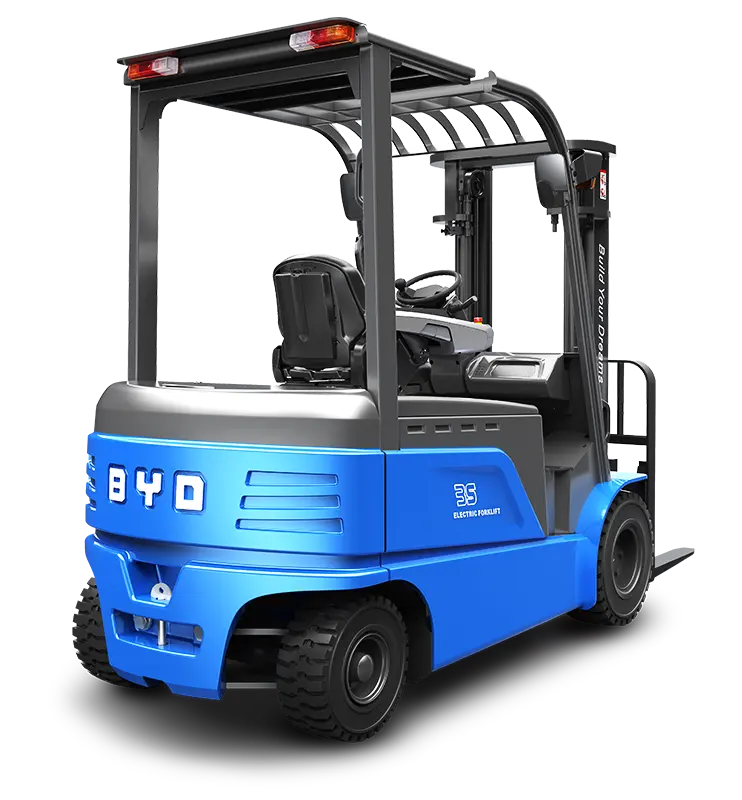
The forklift adapted to the cold storage scene has been optimized for the low temperature environment by special projects, which can well match the operation requirements of the prefabricated vegetable cold storage, and the core operation characteristics are very clear.
Strong operating stability in low temperature environment
The circuit system of the cold storage forklift is sealed and anti-condensation treated, and the mechanical parts are made of low temperature resistant materials, which can operate stably for a long time in the range of -25 ° C to 5 ° C, without frequent failures due to temperature changes, greatly reducing the risk of shutdown of cold storage operations.
High flexibility in working in confined spaces
Cold storage forklifts are mostly designed with a compact body, with a small turning radius, allowing for smooth passage in a cold storage channel with a width of about 3 meters. With a precise hydraulic control system, they can quickly complete the stacking operation of multi-layer shelves, adapting to the high-turnover operation requirements of prefabricated vegetable warehousing.
Comprehensive safety protection design
The tires of the cold storage forklift are made of non-slip and wear-resistant materials, which can maintain sufficient grip on the slippery cold storage floor. The body is equipped with an anti-collision warning device and a high-penetration lighting system, which can effectively reduce the risk of collisions in cold fog environments. At the same time, the operator's control area is designed with cold protection, which can reduce the discomfort of long-term low-temperature operations and improve overall operating safety.
For prefabricated vegetable storage enterprises, choosing a special forklift suitable for cold storage scenarios can not only improve the overall storage operation efficiency, but also reduce operation and maintenance costs and cargo loss rates. It is an important choice to optimize the cold chain storage of prefabricated vegetables.