简体中文
简体中文 Deutsch
 日本語
日本語 한국어
한국어 Tiếng Việt
 Русский
 ไทย
ไทย Bahasa Indonesia
 Bahasa Melayu
 Filipino
 لالعربية
 Français
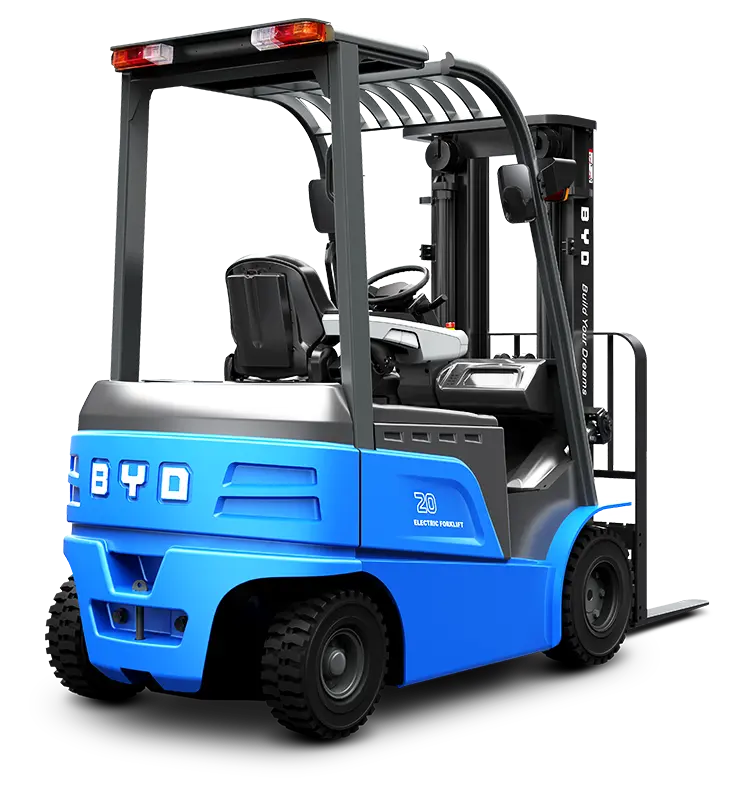
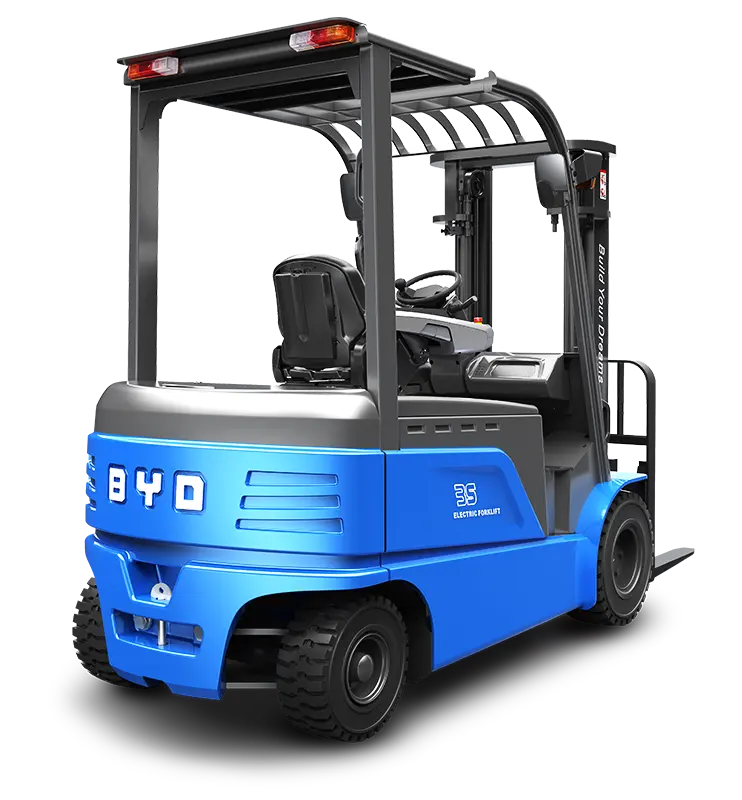
Environmental adaptation points of three-point lithium-ion forklift in food dust-free workshop.
Body material and environment compatibility selection inspection. First of all, before introducing the three-point lithium forklift, it is necessary to confirm that the material of the body main frame, fork, roof guard and other components meets the relevant specifications for food production. Avoid using materials that are easy to rust and fall off debris. Generally, it is necessary to choose food contact or non-contact materials with smooth, corrosion-resistant and non-porous surfaces but suitable for food workshops. Secondly, check whether the tires are a special type for dust-free workshops. Ordinary rubber tires are prone to wear and tear and produce rubber chips. Solid wear-resistant and low-dust polyurethane or other designated material tires should be selected. If the workshop floor has special anti-static requirements, anti-static tires should also be matched.
Space and load planning. The three-pivot lithium-ion forklift itself is flexible and suitable for tight spaces, but it is still necessary to formulate operating specifications in combination with the channel width, cargo space height, cargo weight and size of the food dust-free workshop. The channel width should be reserved for sufficient safety margin to avoid the collision of goods with shelves and walls to produce debris or damage the environment. At the same time, it strictly abides by the rated load of the equipment. Overloading will not only shorten the life of the equipment, but also may cause environmental pollution or safety accidents due to the sliding of goods.
The compliance cleaning points of the three-point lithium forklift in the food dust-free workshop.
The cleaning process before and after the daily operation. Before the operation, the outer surface of the vehicle body, the fork, and the tire should be wiped in an all-round way to remove dust, debris or other contaminants that may be attached. If the goods are liquid or loose powder food raw materials, it is also necessary to check the sealing of the fork in advance or install leak-proof and spill-proof accessories that meet the requirements. After the operation, the vehicle needs to be cleaned again, and the vehicle should be parked in the designated dust-free area or transition cleaning area. It is strictly forbidden to park the vehicle directly in the outdoor area without a clean transition to prevent external dust from being introduced.
Regular deep cleaning and maintenance. Weekly or bi-weekly deep cleaning of vehicles is required, focusing on cleaning up dust-prone areas such as fork gaps, the inside of wheels, and battery compartment vents. Use dust-free rags, detergents, and disinfection tools for food workshops when cleaning. Avoid using cleaning products that may leave harmful substances or produce a lot of fluff. After deep cleaning, key components need to be inspected to ensure that there is no loosening, no damage, and no leakage.
The daily maintenance points of the three-point lithium-ion forklift truck in the food dust-free workshop.
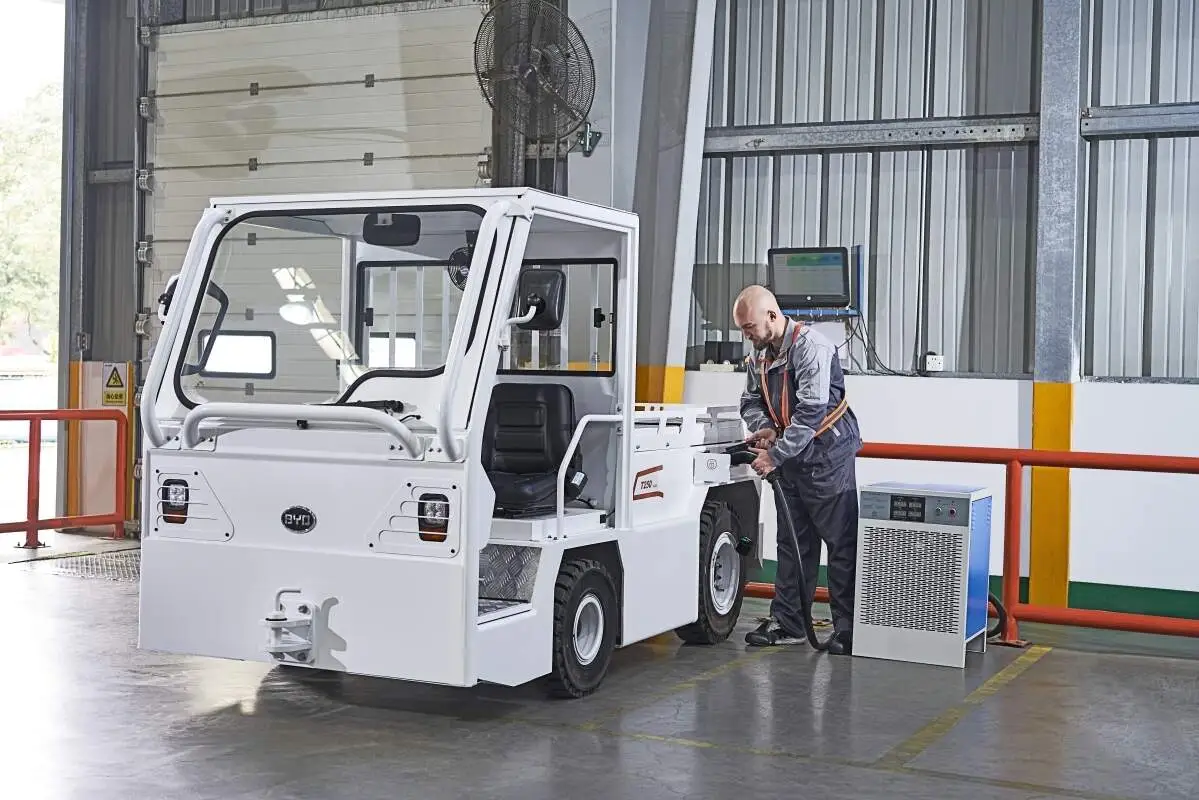
Standard use and maintenance of batteries. Charging equipment that meets the requirements of the food dust-free workshop should be used to charge in the designated charging area. Before charging, dust on the charging interface and battery surface should be cleaned to avoid dust entering the interface and causing a short circuit. During the charging process, it is necessary to keep the charging area well ventilated. It is strictly forbidden to stack food raw materials or other sundries in the charging area. When the battery power is about 20% to 30% remaining, it should be charged in time to avoid excessive discharge. At the same time, avoid idling the battery for a long time. When idling, it is necessary to charge regularly to keep the power within a reasonable range.
Regular inspection and maintenance of vehicle components. It is necessary to check whether the braking system, steering system, lighting system and warning system of the vehicle are normal every day, check the tire wear and air pressure every week, and check the connection line and voltage of the battery every month. If any problems are found, professional maintenance should be arranged in time. When repairing, a dust-free maintenance area that meets the requirements should be selected to avoid debris or oil pollution generated during the maintenance process.