简体中文
简体中文 Deutsch
 日本語
日本語 한국어
한국어 Tiếng Việt
 Русский
 ไทย
ไทย Bahasa Indonesia
 Bahasa Melayu
 Filipino
 لالعربية
 Français
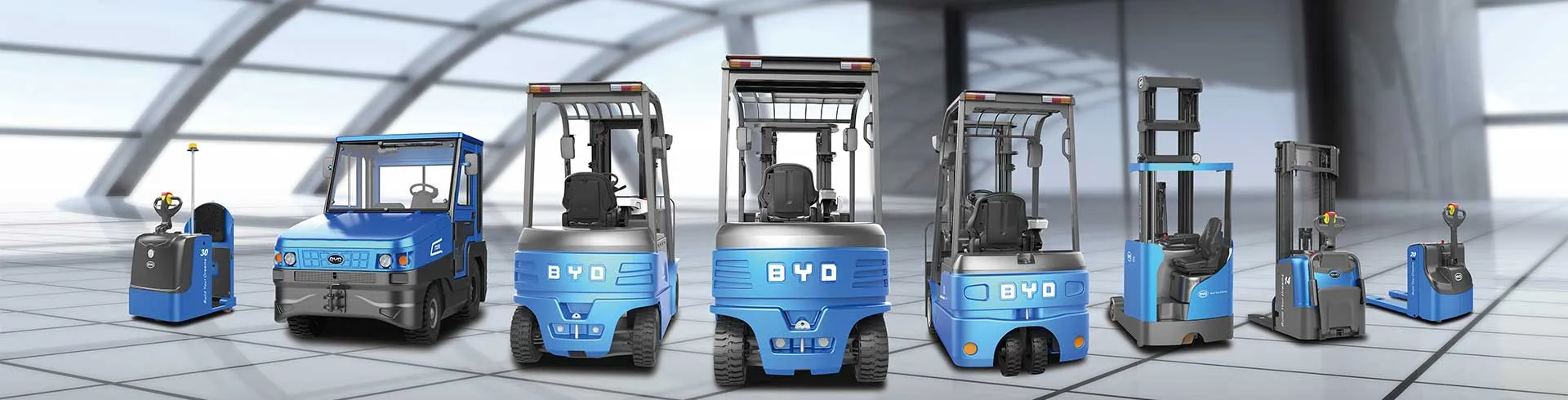
.webp "Small and medium-sized factory handling equipment planning, a complete set of supporting solutions for lithium-ion forklifts(Image1)")
The rational planning and adaptation of handling equipment is an important link to improve the efficiency of production circulation in small and medium-sized factories. At present, lithium-ion forklifts have gradually become the mainstream handling choice for small and medium-sized factories due to their environmental protection, flexibility, and low maintenance. A set of lithium-ion forklifts that suit their own scenarios can effectively avoid resource waste and efficiency bottlenecks.
Before formulating a complete set of plans, it is necessary to complete a targeted production and handling survey. The research content includes the type, weight and size of the handled goods, the total daily handling amount and peak period, the width of the workshop passage, the turning radius, the ground load-bearing situation, and the shelf height and layout of the goods storage. Through these research data, the core parameters such as the rated load, lifting height, and channel requirements of the forklift can be clarified, providing a basis for subsequent selection and layout of supporting facilities.
After the research is completed, we will enter the design of the core supporting modules.
The first is the selection and adaptation of lithium-ion forklifts. Small and medium-sized factories can choose different types of lithium-ion forklifts such as counterweight, forward-moving, and pallet trucks according to the actual scene. For example, in the storage area with narrow passages and high shelves, a forward-moving lithium-ion forklift can be selected; for short-distance and high-frequency pallet turnover in the workshop, a pallet-handling lithium-ion forklift can be selected. At the same time, according to the daily peak handling time, choose a lithium battery with suitable battery life to avoid frequent charging affecting production.
The second is the layout of supporting charging facilities. Charging facilities should be located in a safe location close to the forklift operation area, and enough space should be reserved to avoid taking up passages when the forklift is charging. The charging area should be equipped with fire equipment, and well marked and isolated. It is recommended that small and medium-sized factories set up at least two charging bays so that one can be charged, one can be used as a backup, or rotated during off-peak periods.
In addition to type selection and charging facilities, the later operation and maintenance supporting support cannot be ignored. It is recommended to establish a system of daily inspection and regular maintenance of forklifts to clarify the responsibilities of operators and maintenance personnel. At the same time, you can cooperate with a professional lithium battery forklift service team to obtain technical support and parts supply. In addition, professional training is required for operators to ensure that they master the correct operation methods to prolong the service life of forklifts and lithium batteries.