简体中文
简体中文 Deutsch
 日本語
日本語 한국어
한국어 Tiếng Việt
 Русский
 ไทย
ไทย Bahasa Indonesia
 Bahasa Melayu
 Filipino
 لالعربية
 Français
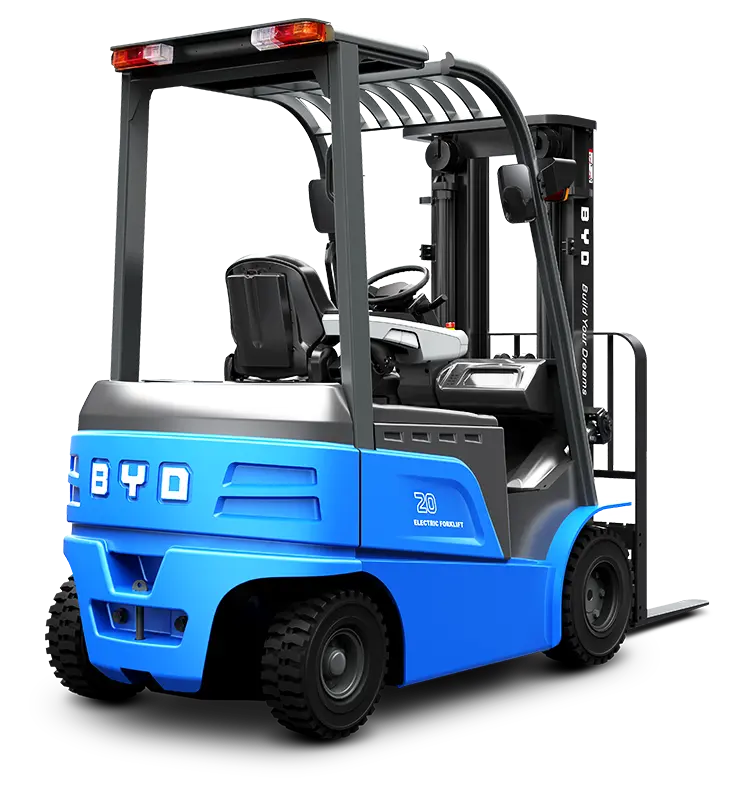
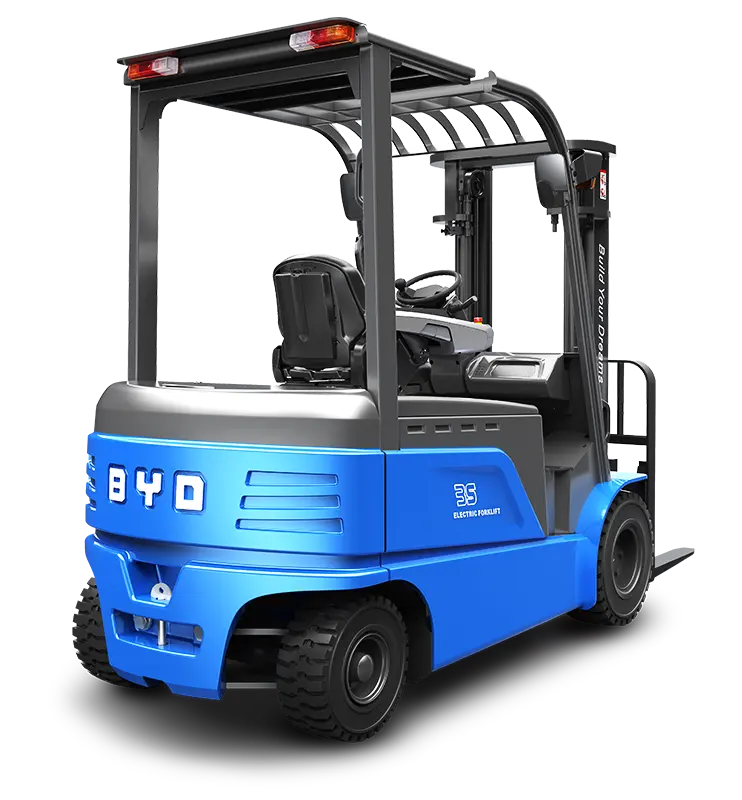
Medical cold storage and food cold storage are both temperature-controlled storage scenarios, which have basic requirements for the low temperature resistance and anti-condensation performance of working forklifts. However, due to the obvious differences in the attributes, operation specifications, and turnover rhythm of stored goods, the selection logic of cold chain forklifts in the two scenarios is also significantly different.
Pharmaceutical cold storage requires high cleanliness of the operating environment, the selected forklift needs to avoid the problem of oil leakage, the shell material should be easy to wipe and disinfect daily, will not produce debris, burrs and other pollutants, to avoid the storage of drugs, medical apparatus and other goods pollution, in line with the corresponding storage scene management specifications.
The inside of the medical cold storage is usually narrow, and the stored goods are mostly standardized whole packaging. The forklift needs to be equipped with a small turning radius to adapt to the needs of narrow channel operations. At the same time, the battery life should meet the needs of the complete operation cycle. Minimize the frequency of frequent charging of the forklift in and out of the warehouse to avoid affecting the temperature control stability inside the cold storage. The internal humidity of the medical cold storage is high, and the circuit system of the forklift needs to be specially treated with anti-condensation and waterproof treatment to avoid the risk of short circuit in high-humidity environments. At the same time, it should be equipped with anti-skid tires to adapt to the possible frost conditions on the ground of the cold storage and reduce the risk of side slip.
The turnover frequency of goods in food cold storage, especially fresh food cold storage, is high, and the peak value of inbound and outbound storage is obvious. The speed and lifting speed of the selected forklift should be adapted to the needs of high-frequency operations, and the fork should also be adapted to a variety of specifications of turnover boxes and goods to meet the handling needs of different categories of food.
The operation volume of food cold storage usually fluctuates greatly. Practitioners can choose forklift products with different battery life configurations according to their daily operation volume and peak operation time, and control the procurement and operation and maintenance costs under the premise of meeting the operation needs. The outer packaging of food goods is relatively fragile, and the contact parts of forklifts such as forks should be rounded to avoid the loss of goods caused by puncturing the packaging during operation. At the same time, the forklift shell should have basic anti-corrosion performance to adapt to the corrosion effect of food juices and disinfectant residues in some scenarios.
When selecting a model, users can first sort out the channel width, operation frequency, storage category and other core parameters of their own cold storage, and then screen the forklift products that meet the requirements to find the most suitable operating equipment.