简体中文
简体中文 Deutsch
 日本語
日本語 한국어
한국어 Tiếng Việt
 Русский
 ไทย
ไทย Bahasa Indonesia
 Bahasa Melayu
 Filipino
 لالعربية
 Français
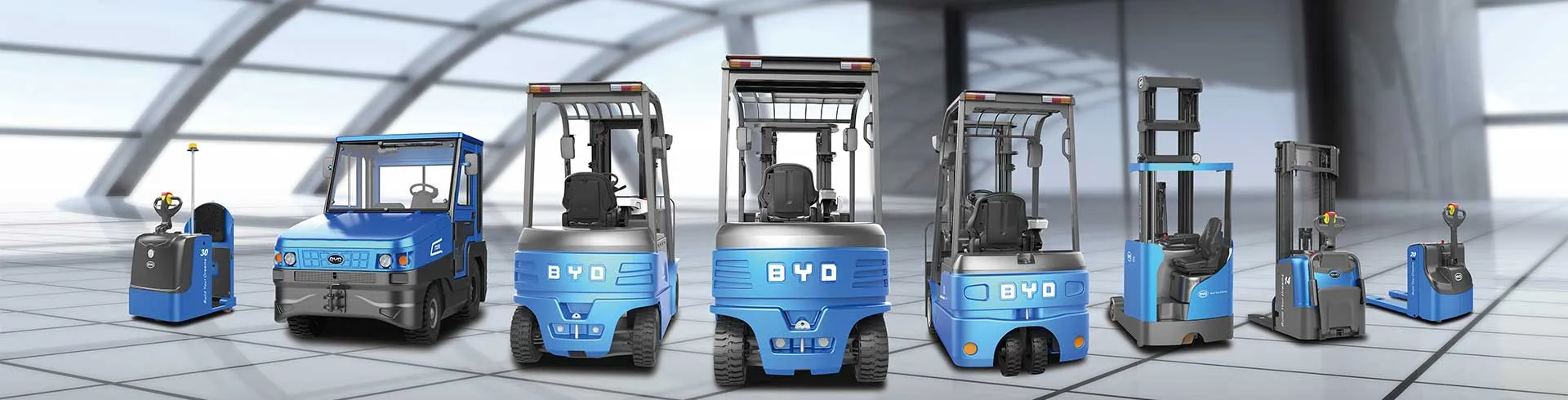
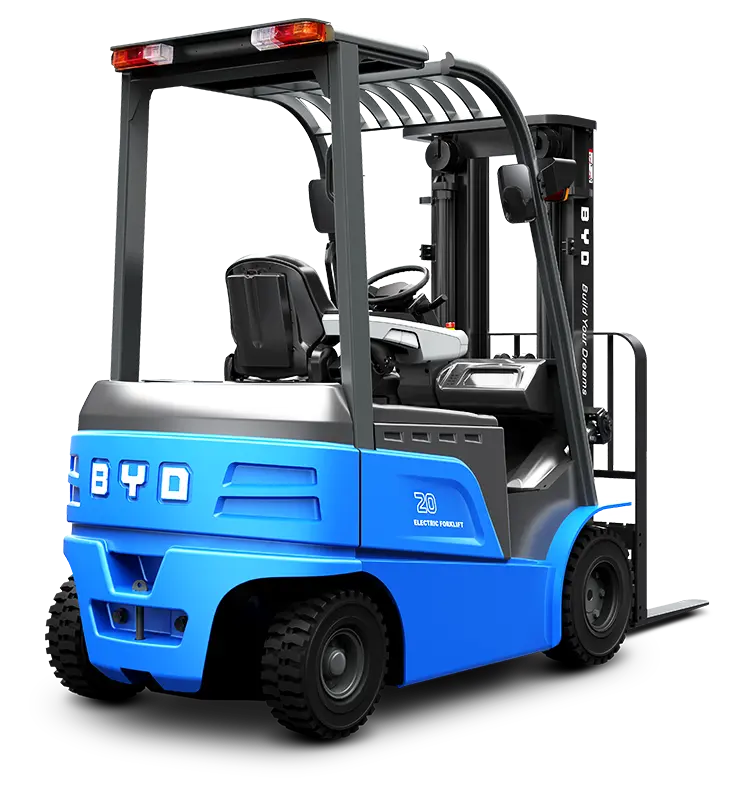
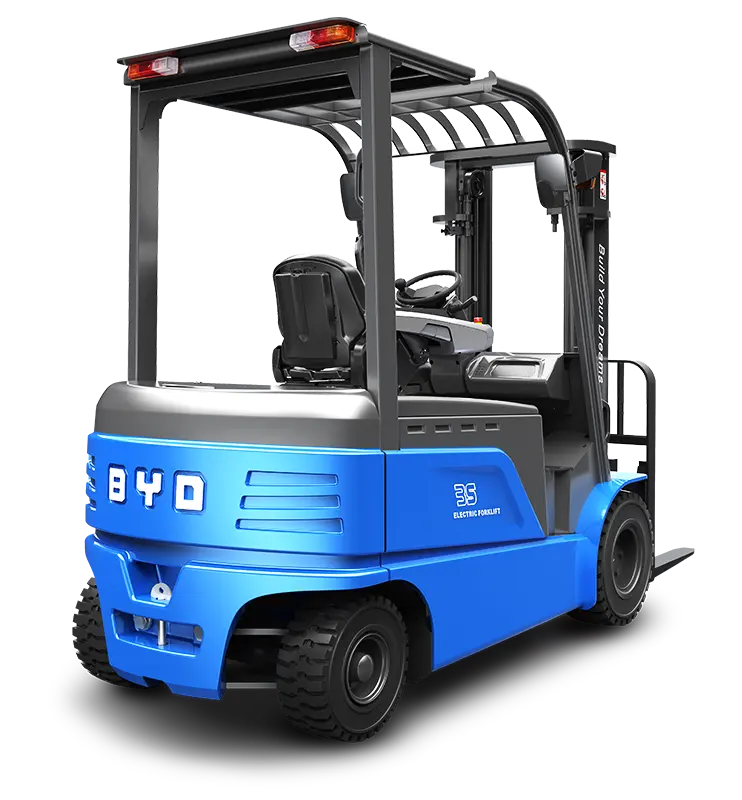
In scenarios with low temperature requirements such as cold chain warehousing and food processing, ordinary electric forklifts often fail to operate stably due to problems such as battery performance attenuation and component toughness. The forward-moving lithium-ion forklift specially designed for this type of environment can better meet daily operation needs with targeted optimization design. The following are the main performance characteristics of this type of equipment and the precautions when using it.
The core component specially optimized for low temperature environment is its suitable lithium battery pack. This type of battery usually uses special thermal insulation materials to wrap the battery module or set up an auxiliary temperature control system in the battery compartment, which can maintain the appropriate working temperature of the battery within a certain low temperature range, reduce the battery capacity reduction and discharge efficiency reduction caused by low temperature, so as to ensure the battery life and power output stability of the equipment.
The body structure and key components are also designed for low temperature adaptation. The key transmission system, steering system, load-bearing wheels and other components are made of materials with good low temperature resistance, which can not easily cause problems such as embrittlement, deformation, and stagnation at low temperatures, and improve the overall reliability and service life of the equipment. The protection level of the body part will also be appropriately increased to reduce the impact of condensation and slight water stains that may occur at low temperatures on the electrical system.
The preheating function may also be set with some equipment. Turning on the preheating function before operation can make the battery pack and some key components quickly reach a suitable working state, shorten the start-up waiting time of the equipment, and improve the operation efficiency.
When using this type of equipment, there are also some matters that need to be paid attention to. First of all, it should be used strictly in accordance with the applicable low temperature range of the equipment, and it should not be operated beyond the range, so as not to affect the performance and service life of the equipment. Secondly, it is necessary to regularly check whether the insulation layer of the battery pack is in good condition, whether the auxiliary temperature control system is running normally, and clean the condensation or slight water stains in the battery compartment in time. In addition, it is necessary to regularly lubricate and maintain the key components of the equipment, and choose special lubricating grease that is resistant to low temperature to avoid component wear or stuck due to poor
After the operation, the equipment should be parked in a dry and ventilated non-low temperature transition area to allow the temperature of the equipment to rise slowly and reduce the aging or damage of parts caused by sudden temperature changes. In addition, follow the instructions for charging the equipment to ensure that the charging environment meets the requirements and avoid charging at too low a temperature, so as not to affect the service life of the battery.