简体中文
简体中文 Deutsch
 日本語
日本語 한국어
한국어 Tiếng Việt
 Русский
 ไทย
ไทย Bahasa Indonesia
 Bahasa Melayu
 Filipino
 لالعربية
 Français
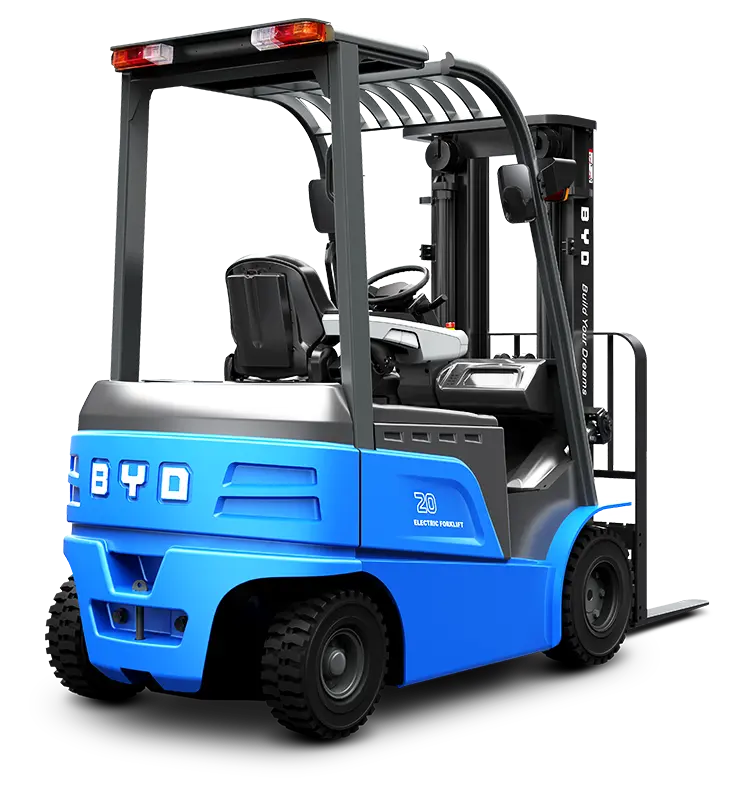
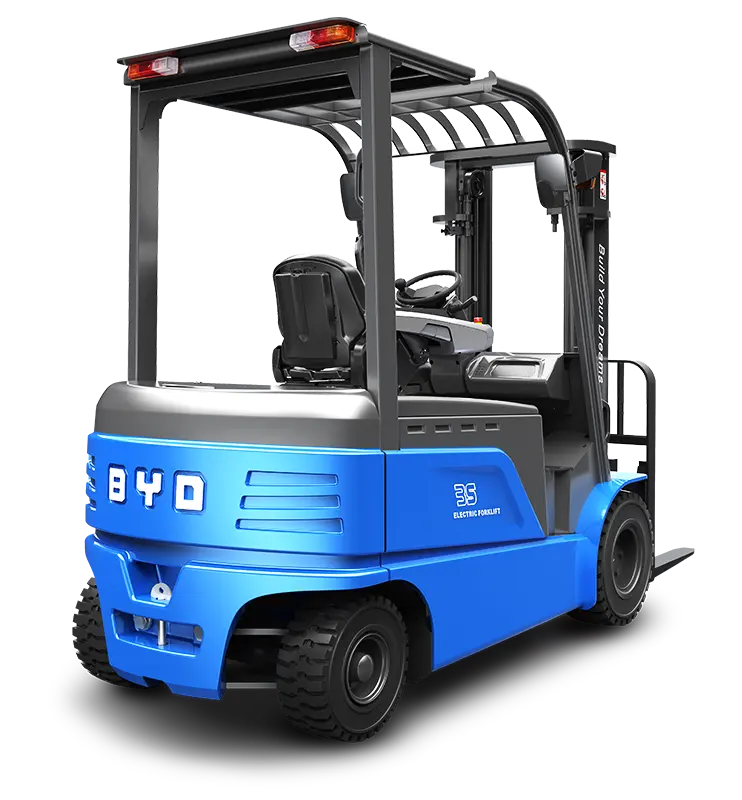
In recent years, 2-ton lithium-ion forklifts have become a popular procurement choice for many warehouse distribution and light manufacturing enterprises due to their advantages of fast charging, zero emissions, and flexible operation. Many first-time purchasers of electric forklifts, due to their lack of understanding of the product, can easily step into cognitive misunderstandings, resulting in unnecessary cost waste.
Common procurement mistakes
Just look at the purchase price and ignore the core configuration. Many novice purchasers will give priority to comparing the quotations and blindly choose products with lower prices, but ignore the core configuration such as battery grade, drive motor power, and body protection grade. Some low-priced products are assembled with recycled disassembled battery cells, which not only has a fast battery life attenuation speed, but also has certain safety hazards. The cost of subsequent maintenance and replacement is much higher than the purchase cost saved in the early stage.
Blind pursuit of too high parameters. Many novice purchasers fall into the misunderstanding of "the higher the parameter, the better" when purchasing. Without considering their actual operation needs, they blindly choose models with longer battery life and higher lift. For example, the average daily operation time is only 4 to 5 hours, but the purchase of products with a battery life of more than 10 hours increases the procurement budget in vain; some purchasers do not measure the width of the operation channel in advance, and the purchased forklift body size is too large to enter the warehouse area for operation.
Ignore the follow-up after-sales supporting services. Many novices only pay attention to the performance of the vehicle itself when purchasing, and do not verify the after-sales guarantee capability of the supplier. When the vehicle fails, they find that there is no local service network. The spare parts transfer cycle is long, and the maintenance is not timely, which directly affects the daily production rhythm.
Practical pit avoidance advice
Sort out your own operation requirements in advance. Before purchasing, do a good job of demand statistics, including the peak weight of daily cargo, the maximum lifting height required, the minimum width of the operation channel, and the average daily continuous operation time. Then match the corresponding parameters as needed to avoid selecting products with excess parameters or that do not meet the operation requirements.
Focus on checking the core configuration information. When purchasing, actively ask for information such as battery type, motor rated power, body protection level, etc., and give priority to products with new power batteries. If the operation scene is mostly humid or dusty, choose a model with a higher protection level to meet the needs of the operation scene.
Verify the relevant content of after-sales guarantee. Before purchasing, confirm the service coverage of the supplier, whether to provide door-to-door maintenance services, the supply cycle of commonly used accessories, and the quality assurance time of core components to avoid subsequent maintenance difficulties.
Novices who purchase 2-ton lithium-ion forklifts do not need to blindly pursue high-end configurations or extreme low prices. As long as they combine their actual needs with multi-dimensional comparison, they can choose products with strong adaptability and high cost performance, effectively reducing the comprehensive cost of long-term use.