
 简体中文
简体中文 Deutsch
 日本語
日本語 한국어
한국어 Tiếng Việt
 Русский
 ไทย
ไทย Bahasa Indonesia
 Bahasa Melayu
 Filipino
 لالعربية
 Français
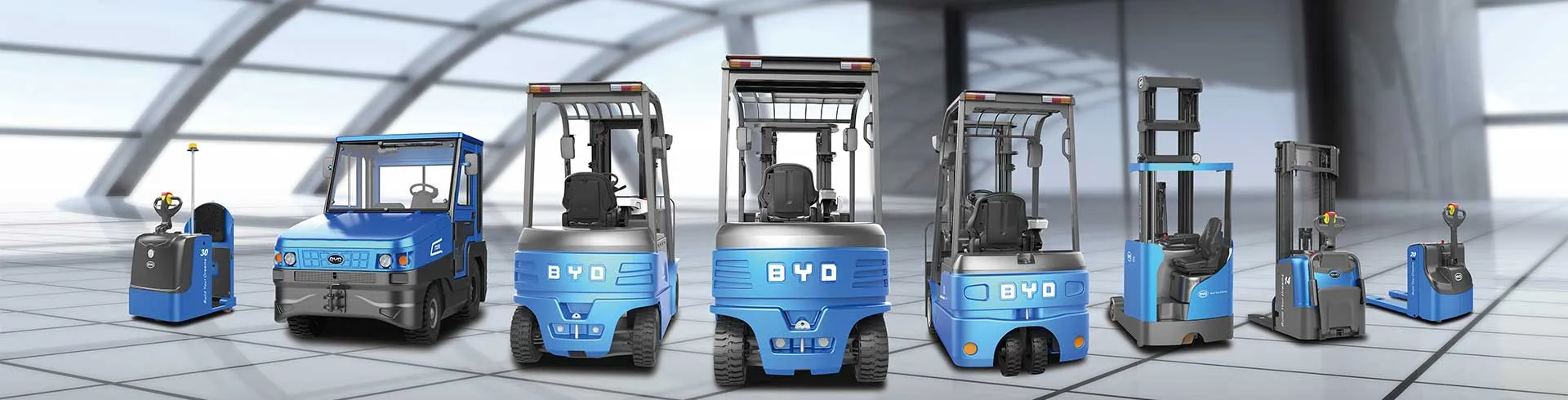
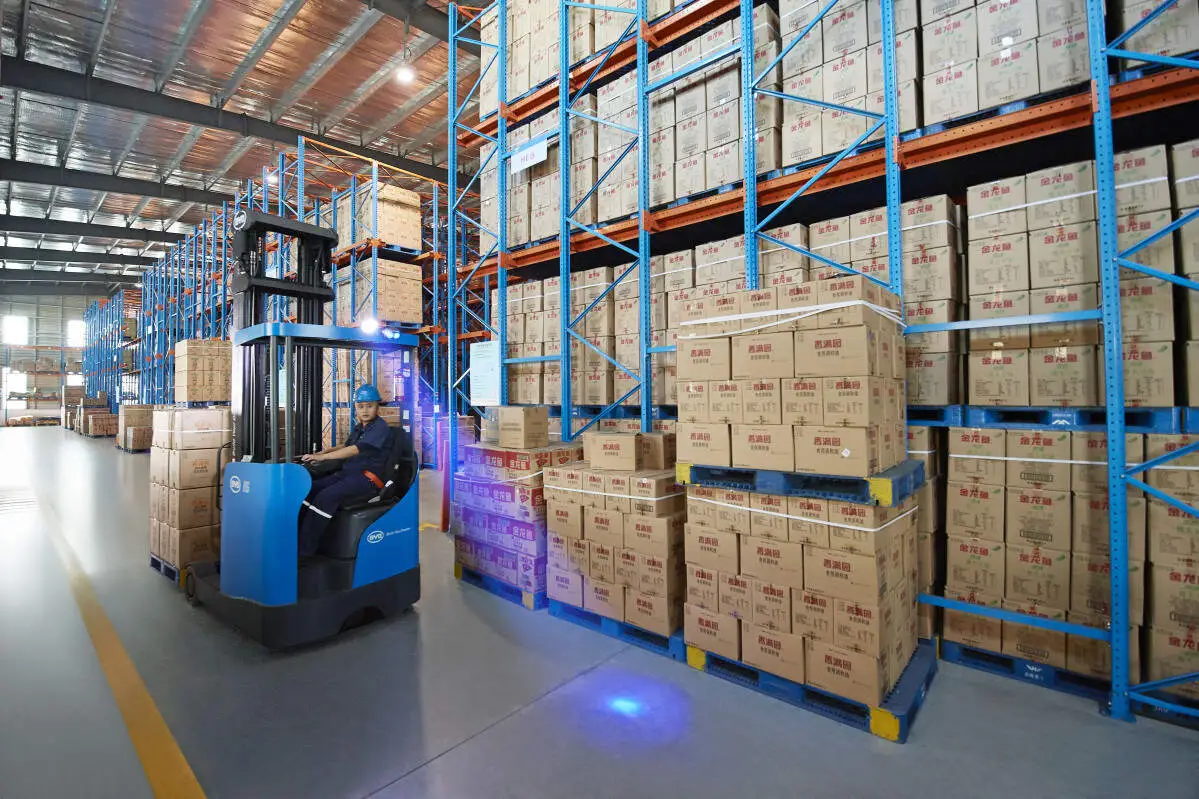
For large and medium-sized warehousing centers that operate in two or even three shifts, the uninterrupted operation capacity of the handling equipment directly determines the overall operation efficiency. If the equipment is stopped in the middle to make up for energy consumption for too long, it is easy to slow down the rhythm of the whole line of goods flow. This time, the analysis of the continuous operation dimension of the 2.5-ton counterbalanced electric forklift adapted to multiple scenarios provides an objective selection reference for the warehousing operator.
The core demands of multi-shift warehouses
Most of the current mainstream multi-shift warehouses can operate for 16 to 24 hours a day. The core requirements for handling equipment are concentrated in three aspects. First, there should be no power outage without warning during single-shift operation. Second, the energy consumption should be as short as possible, so as not to take up too much effective operation time. Third, the power output should always be stable under long-term high-frequency operation, which will not affect the conventional stacking and transshipment operations. Many operators only pay attention to the rated battery life parameters when selecting models, ignoring the performance under actual working conditions. It is easy to encounter the problem that the purchased equipment cannot adapt to the rhythm of existing operations.
Measured performance of continuous operation battery life
Under standard room temperature storage conditions, the load of 2.5 tons of rated goods is carried out for routine handling, stacking and round-trip operations, and the continuous operation time under full power can cover the whole process operation requirements of a single shift for 8 hours. Even the intensive picking warehouse with high-frequency operations can achieve a certain amount of power remaining after a single shift, avoiding sudden power outages in the middle of the operation, and the operator does not need to reserve excess emergency shutdown buffer time for the equipment.
Scenario Adaptation of Complementary Energy Systems
This forklift supports high-current DC fast charging mode. Under the premise of supporting fast charging piles that meet safety regulations, it can replenish enough power to support half-shift operations in 1 to 2 hours. If the two-shift rotation operation mode is adopted, the power replenishment can be completed during the gap period of the shift, and there is no need to reserve a large block of energy waiting time separately, which greatly improves the annual attendance efficiency of the equipment.
Stability performance over long periods of time
The power system of the forklift is equipped with a mature temperature control adjustment design. During the continuous high-frequency operation for several hours, the core components are always maintained at a suitable operating temperature range, and there will be no overheating and power loss. The lifting speed and driving power of the stack remain stable throughout the process, and there will be no card feeling during long-term operation, effectively reducing the fatigue of the operator. Overall, the continuous operation attributes of this forklift are fully adapted to the operation requirements of most ordinary two-shift warehouses. For the three-shift operation scenario, only a reasonable supplementary energy planning is required to achieve no-gap rotation, which helps the warehouse operator reduce costs and improve efficiency.


