简体中文
简体中文 Deutsch
 日本語
日本語 한국어
한국어 Tiếng Việt
 Русский
 ไทย
ไทย Bahasa Indonesia
 Bahasa Melayu
 Filipino
 لالعربية
 Français
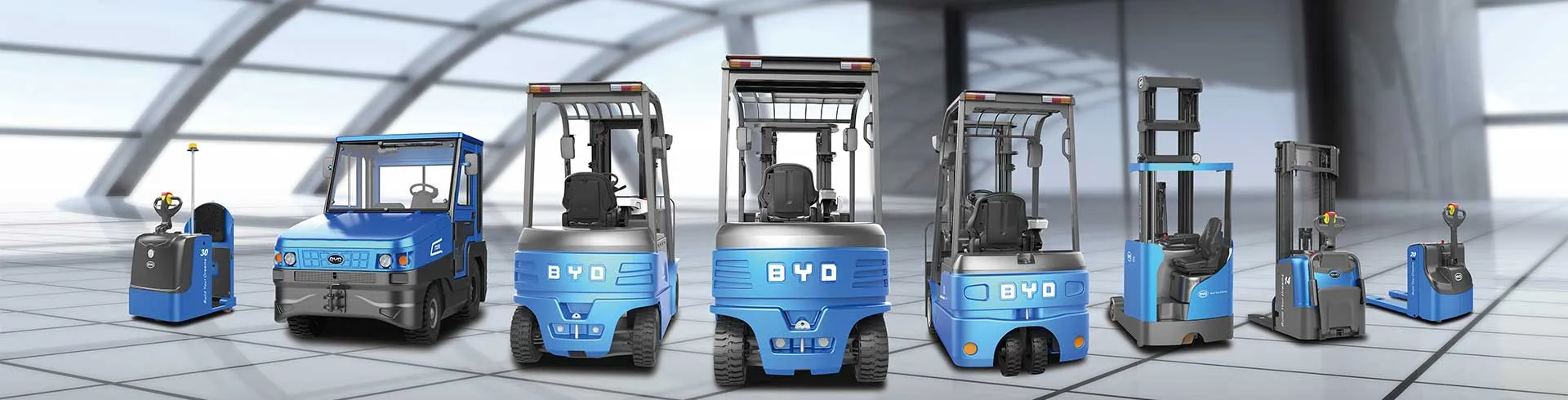
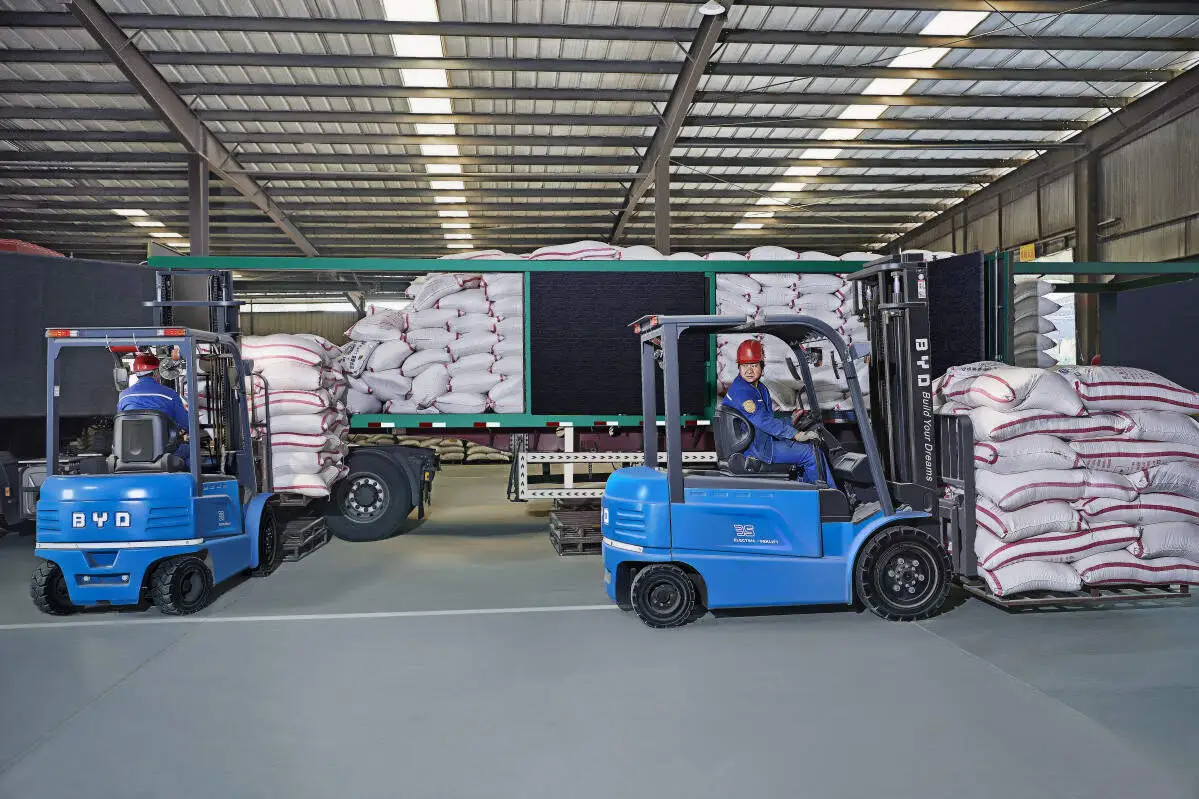
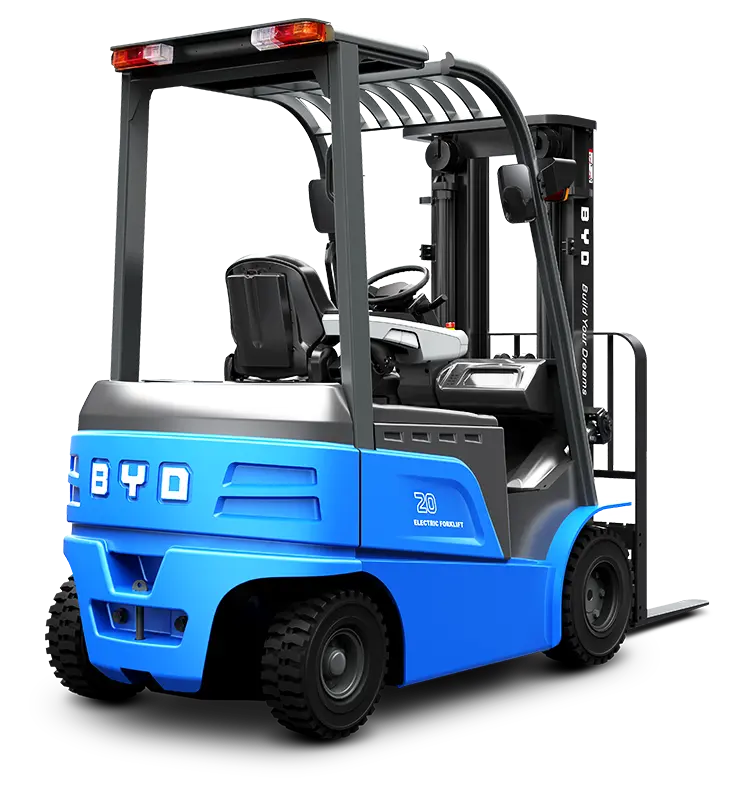
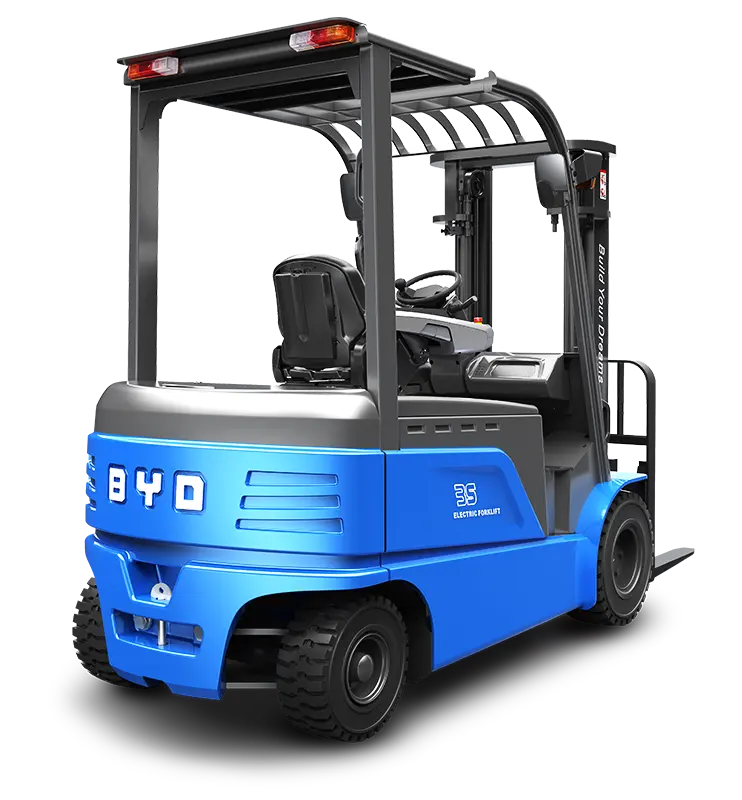
As the core area of pharmaceutical production, the pharmaceutical clean workshop has strict standards for environmental cleanliness and safety protection. The adaptation of material handling equipment directly affects production compliance and efficiency. Explosion-proof electric forklifts have become the ideal choice for such scenarios due to their environmental protection and safety characteristics. The following is a multi-dimensional analysis of their adaptation points.
The core requirements for a forklift in a clean workshop
Cleanliness class matching requirements
The pharmaceutical clean workshop is divided into different cleanliness levels according to the different production links. The forklift needs to avoid dust and debris during the operation to prevent pollution of the production environment. This requires that the appearance structure of the forklift has no dead ends of dust accumulation, and no particulate pollutants will be generated due to friction and vibration during operation. At the same time, the exhaust emissions must meet the environmental protection standards of the clean area.
Rigid standard for explosion-proof performance
Pharmaceutical clean workshops often involve flammable and explosive raw materials or work in progress. Forklifts must have reliable explosion-proof performance to prevent short circuits of electrical components and mechanical friction sparks from causing safety accidents. It is necessary to meet the certification requirements of the corresponding explosion-proof level to ensure stable operation in hazardous environments.
Adaptation and adjustment direction of explosion-proof electric forklift
Seal structure optimization
In light of the environmental characteristics of the clean workshop, the forklift needs to optimize the sealing structure and seal key components such as the motor, electronic control system, and hydraulic system to prevent external dust from entering the interior and affecting the operation of the equipment, while avoiding internal lubricating oil and hydraulic oil leakage from polluting the environment.
Material selection and adaptation
The contact parts of the forklift should be made of materials that are not easy to generate static electricity and are corrosion-resistant to avoid potential safety hazards caused by static electricity accumulation. At the same time, it can adapt to the disinfection and cleaning needs of the clean workshop and withstand the wiping and spraying of commonly used disinfection reagents.
Power system adjustment
The pollution-free electric power system is adopted to eliminate the exhaust emission problem of traditional fuel forklifts, and at the same time optimize the power output to ensure the smooth operation of the forklift in the narrow clean workshop channel, and reduce the interference of vibration and noise to the production environment.
Key points of compliance in job scenarios
Daily cleaning and maintenance
Develop a regular cleaning and maintenance plan. After each operation, clean the appearance of the forklift, tires, and forks to remove dust and debris. Regularly check the status of sealing components and electrical systems to ensure that the equipment meets clean and explosion-proof requirements.
Personnel operation specifications
Operators need to undergo professional training to familiarize themselves with the operating specifications of the clean workshop and the explosion-proof operation process of the forklift. During the operation, avoid sudden acceleration and braking to prevent dust generation due to vibration, and at the same time strictly follow the designated route to avoid collisions with workshop facilities and materials.