简体中文
简体中文 Deutsch
 日本語
日本語 한국어
한국어 Tiếng Việt
 Русский
 ไทย
ไทย Bahasa Indonesia
 Bahasa Melayu
 Filipino
 لالعربية
 Français
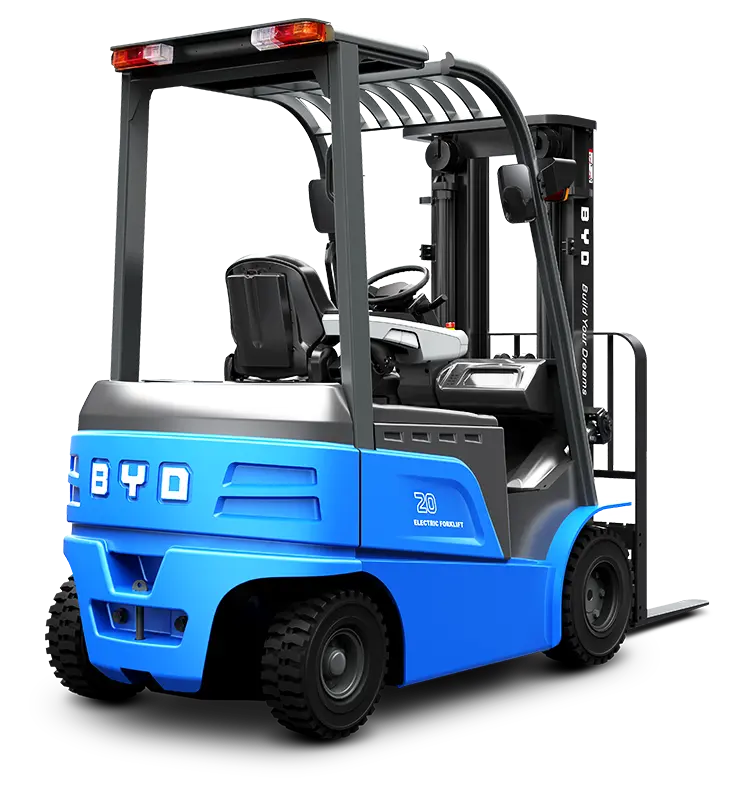
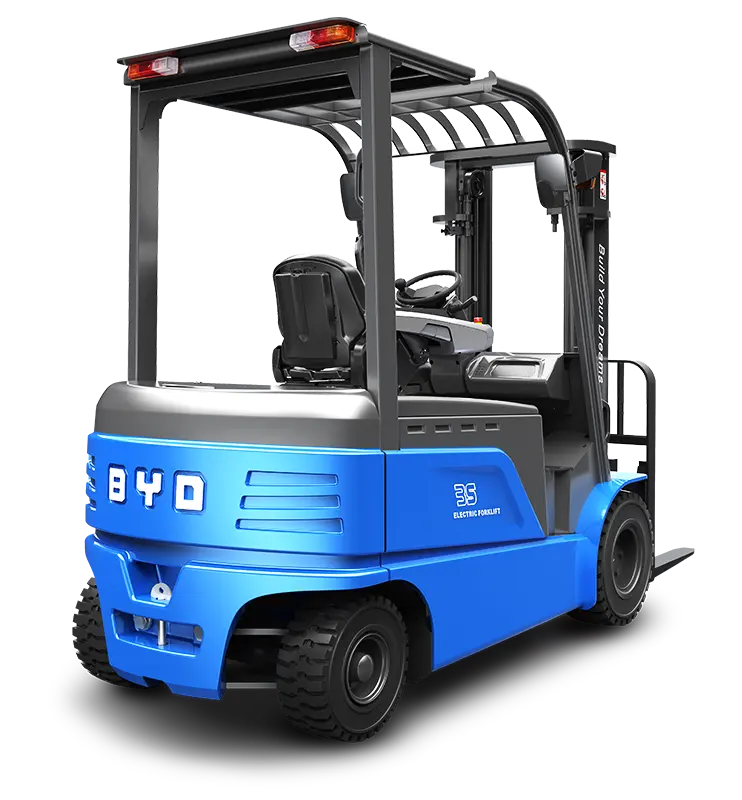
The core pain points of material handling in steel plants
The daily material handling of a steel plant involves a large amount of heavy-duty goods such as steel and charge. The operation scenarios cover multiple links such as raw material yard, workshop transfer, and finished product delivery. The environment is often accompanied by complex conditions such as high temperature, dust, and humidity. Traditional fuel forklifts have problems such as exhaust emissions, loud noise, high maintenance costs, and insufficient heavy-duty battery life in such scenarios, which are difficult to meet the current green and efficient operation requirements and become a key factor restricting the improvement of plant handling efficiency.
Scenario Adaptability of Large Tonnage Lithium Battery Forklift
Heavy-duty operation capacity and power advantage
In response to the heavy-duty handling needs of steel plants, large-tonnage lithium-ion forklifts have a stable bearing capacity of tens of tons, which can easily handle the transfer of bulk raw materials and finished steel. The lithium-ion power system it is equipped with does not need to rely on fuel replenishment, and can use the idle period of the factory to complete fast charging, adapt to the needs of continuous operation of multiple shifts, and effectively solve the problem of insufficient battery life of traditional equipment.
Environmental protection and environmental adaptability
The lithium battery power system has no exhaust emissions and meets the requirements of environmental protection upgrades in steel plants. In closed workshops or indoor operation scenarios, exhaust pollution can be avoided and the working environment can be improved. At the same time, the high temperature and dust protection design of the equipment can adapt to the complex working conditions of high temperature and dust in the factory area, ensuring long-term stable operation of the equipment.
Solutions for specific application scenarios
Raw material yard transfer plan
In the raw material yard, large-tonnage lithium-ion forklifts can cooperate with lifting equipment to complete the unloading and transfer of bulk raw materials. With flexible steering performance, they operate accurately in narrow yard passages, reducing the time loss of material transfer and improving the turnover efficiency of the yard. In addition, the heavy-duty stability of forklifts can ensure the safety of stacking operations and reduce the risk of material falling.
Workshop charge and finished product transfer plan
In the process of charge transfer in the workshop, the forklift can be directly driven into the high-temperature operation area to complete the accurate distribution of charge, without additional transfer equipment, reducing the operation process. When the finished product is shipped out of the warehouse, the forklift can be linked with the factory storage system to complete the stacking and loading of finished steel, realizing the connection of automated operations and reducing the error rate caused by manual intervention.
Operation and maintenance and cost control advantages
Compared with traditional fuel forklifts, large-tonnage lithium-ion forklifts have a simpler structure. Daily maintenance only requires attention to battery status and routine component inspections, reducing maintenance costs for complex components such as engines and gearboxes. At the same time, the operating noise of lithium-ion equipment is lower, which helps to improve the working environment in the factory area and reduce the occupational health risks of operators. In the long run, it can save considerable operation and maintenance and labor costs for enterprises.
Through the application of large-tonnage lithium-ion forklifts, steel plants can build a more efficient, environmentally friendly, and low-cost material handling system, accurately adapt to the needs of heavy-duty operations under complex working conditions, and provide strong support for the intelligent and green upgrade of the factory area. This will help enterprises improve their overall operating efficiency and market competitiveness.