
 简体中文
简体中文 Deutsch
 日本語
日本語 한국어
한국어 Tiếng Việt
 Русский
 ไทย
ไทย Bahasa Indonesia
 Bahasa Melayu
 Filipino
 لالعربية
 Français
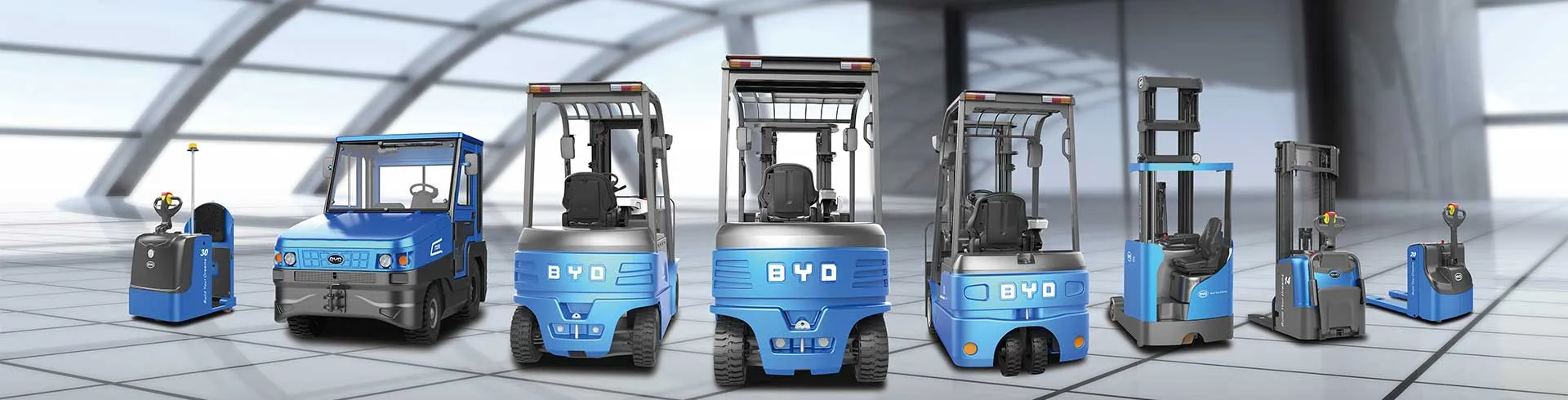
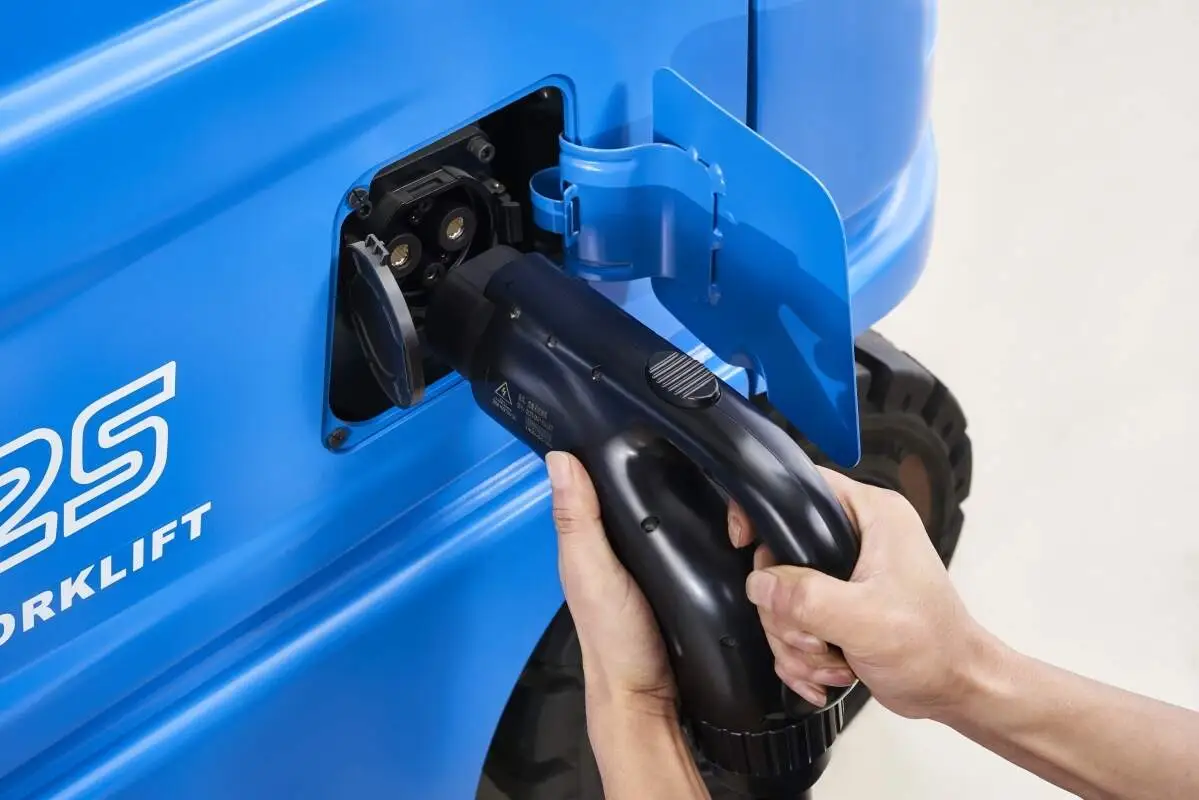
Lithium forklifts have become important equipment in warehousing and logistics scenarios due to their advantages of environmental protection and energy efficiency. Many companies are faced with the choice of leasing or purchasing, and they need to judge the cost-effectiveness based on their actual situation. The core difference between lithium forklift leasing and procurement can be split from the cost dimension. In terms of upfront investment, procurement needs to bear the purchase of equipment, as well as supporting charging facilities, special venues, etc., and the initial capital pressure is significant; leasing is paid on a cycle basis, without additional support, and the upfront investment is extremely low. In the later stage of operation, procurement needs to be responsible for daily maintenance and fault repair. If the battery life expires, high replacement costs are required; leasing maintenance, repair and battery maintenance are mostly included in the rent, and enterprises do not need to bear additional burden. Combined with the scene characteristics of 1.8-ton lithium-electric forklifts, the selection suggestions are Short-term operation scenarios, such as temporary warehousing projects, seasonal logistics peaks, leasing is more flexible, and there is no need to worry about equipment idleness; long-term stable operation scenarios, such as fixed factory workshops, daily distribution routes, and daily operation hours exceed 6 hours, the long-term cost of procurement is lower, and stable assets can be formed; scenarios with large demand fluctuations, such as e-commerce promotion, temporary order expansion, leasing can flexibly adjust the number of equipment and adapt to changing needs. Enterprises need to consider factors such as operation time, budget, and demand stability to choose an adaptation method to maximize equipment benefits.


