简体中文
简体中文 Deutsch
 日本語
日本語 한국어
한국어 Tiếng Việt
 Русский
 ไทย
ไทย Bahasa Indonesia
 Bahasa Melayu
 Filipino
 لالعربية
 Français
As the core equipment in the field of industrial material handling, the choice of power form of heavy forklift is directly related to operation efficiency, operating cost and environmental adaptability. At present, the mainstream power form is divided into internal combustion type and electric type. There are obvious differences in performance and application scenarios between the two. Enterprises need to choose a reasonable type according to their own operational needs.
The applicable scenarios of internal combustion heavy-duty forklifts are mainly concentrated in outdoor complex operating environments. This type of forklift relies on fuel to provide power, has strong battery life, does not need to replenish energy frequently, and can adapt to scenes with complex road conditions and wide operation range such as ports, mines, and large open-air warehouses. In these areas, there may be potholes and gravel on the road, and the power output stability of internal combustion forklifts is stronger, which can smoothly complete the handling task of heavy goods. In addition, for scenarios of high-load continuous operation, such as the cargo transfer link of a large logistics hub, the internal combustion forklift can replenish fuel quickly, and can complete refueling in only a few minutes, which can effectively avoid the situation of interruption of operation due to charging, and ensure long-term uninterrupted handling needs. In extreme environments such as low temperature and high temperature, the power system of an internal combustion forklift is less affected by the environment and can still maintain a stable operating state.
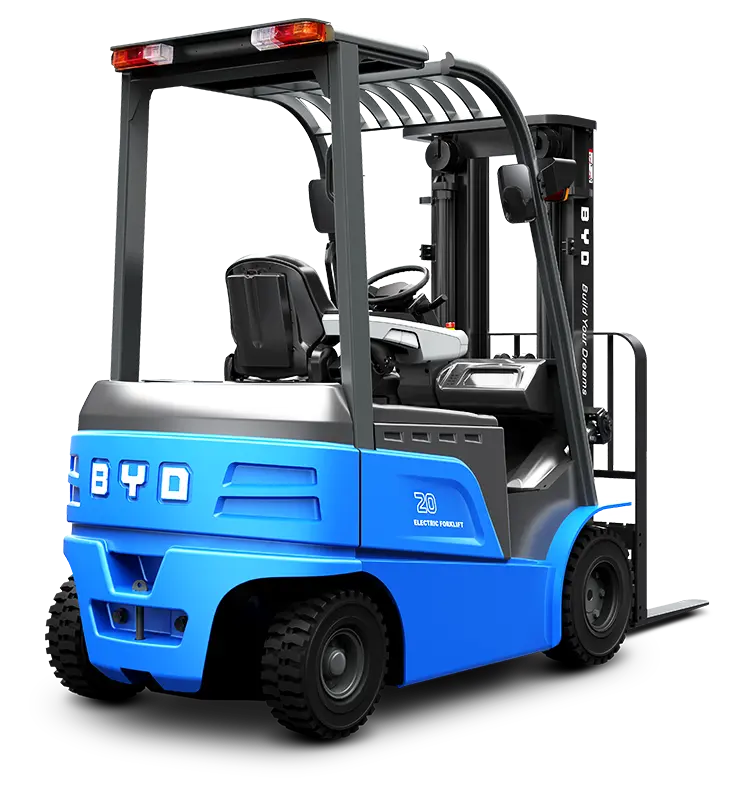
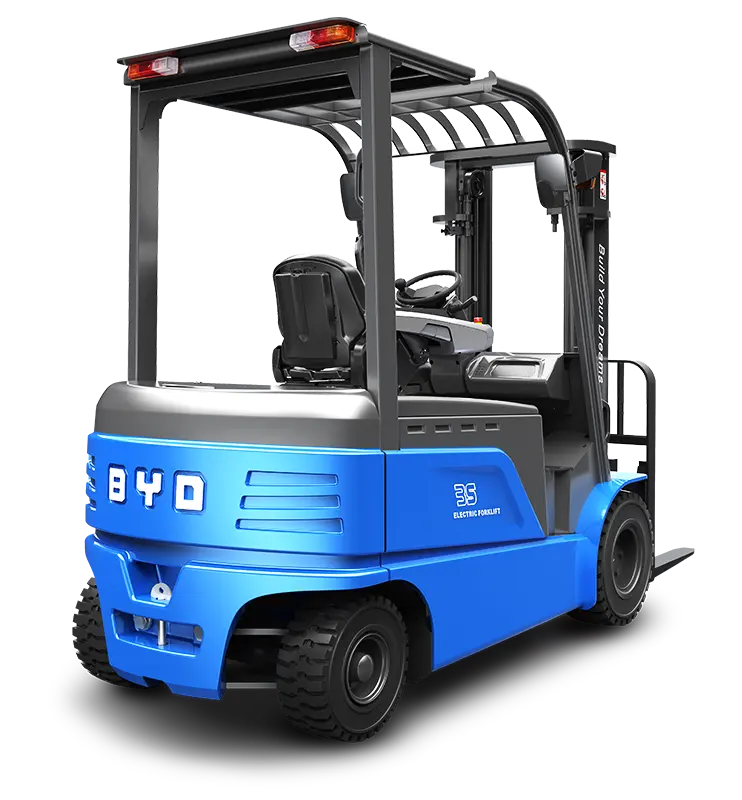
Electric heavy-duty forklifts are more suitable for indoor airtight or high environmental protection operation scenarios. This type of forklift relies on batteries to provide power, zero emissions, low noise during operation, and no exhaust pollution. It is very suitable for large storage centers, food and medicine production workshops and other places with strict requirements on air quality and noise control. It can effectively avoid affecting goods and production environment. In high-frequency operation scenarios with fixed routes, such as picking and handling links in e-commerce warehouses, electric forklifts can supplement energy by arranging charging piles or replacing batteries in advance, and cooperate with fixed operation routes to achieve efficient and stable operation. At the same time, in areas such as logistics sites in urban centers and industrial parks with carbon emission restrictions, electric forklifts can meet the requirements of environmental protection policies and reduce the environmental compliance costs of enterprises.
When choosing the power form of heavy-duty forklifts, enterprises need to comprehensively consider various factors such as the operating environment, operating intensity, environmental protection requirements, and long-term operating costs. If outdoor complex environments and high-load continuous operations are the main ones, internal combustion heavy-duty forklifts are a more practical choice; if indoor confined spaces and high environmental protection requirements are the main scenarios, electric heavy-duty forklifts can better meet the demand and help enterprises achieve green and efficient material handling operations.