
 简体中文
简体中文 Deutsch
 日本語
日本語 한국어
한국어 Tiếng Việt
 Русский
 ไทย
ไทย Bahasa Indonesia
 Bahasa Melayu
 Filipino
 لالعربية
 Français
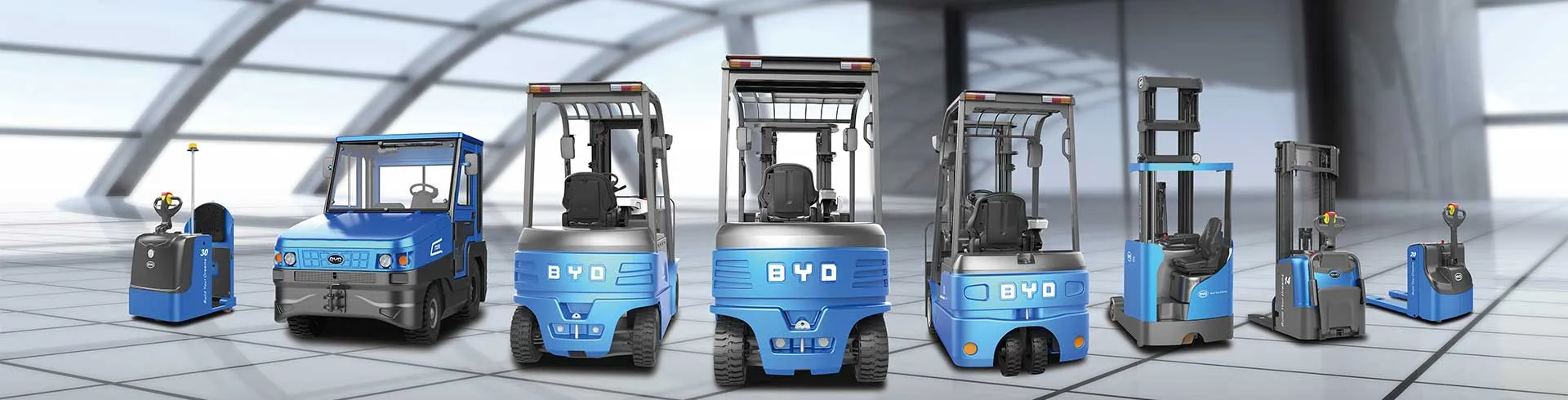
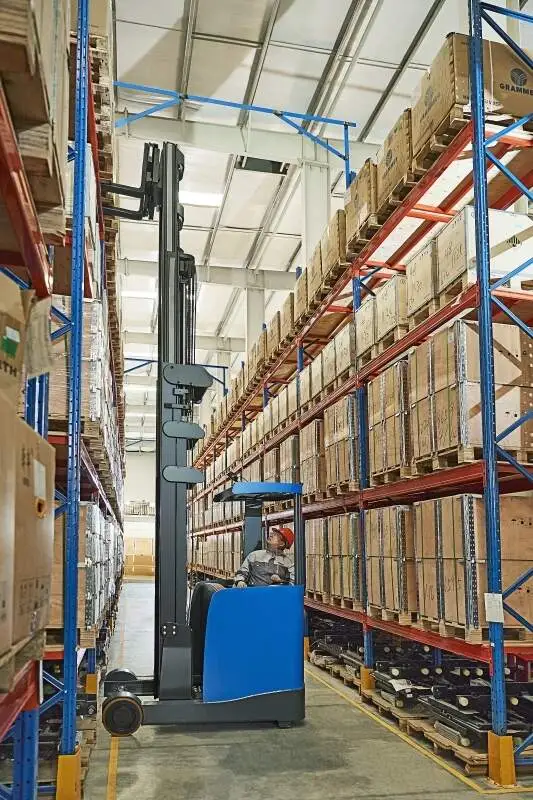
Many enterprises will face the use of electric forklifts when carrying out material handling operations, but they are often torn between long-term leasing and financial leasing. Only by clearly understanding the core characteristics of the two models can we make an appropriate choice based on our own actual situation.
The core features of the long-term rental model of electric forklifts
The biggest advantage of the long-term lease model is flexibility. Enterprises can choose short-term or long-term lease terms according to their own needs, ranging from a few months to several years. It is especially suitable for enterprises with seasonal or phased material handling needs, such as the scene of temporary increase in capacity during the peak season of e-commerce. At the same time, under the long-term lease model, enterprises do not need to bear the depreciation risk of electric forklifts, maintenance costs, and annual inspections. These are all the responsibility of the leasing service provider. Enterprises only need to pay rent on time, so they can focus on their core business operations. From a financial perspective, long-term leases do not require a large amount of capital to be invested at one time, which can effectively reduce the liquidity pressure of enterprises. They are suitable for enterprises with tight capital turnover or needs for lightweight operation of assets.
Key Features of Electric Forklift Financial Leasing Model
The financial leasing model is closer to the installment purchase. The company obtains the right to use the electric forklift by paying a fixed rent every month. After the lease period expires, it can usually choose to buy and obtain the ownership of the vehicle at a lower price, or renew the lease and return the vehicle. In this model, the company can include the rent in the long-term asset accounting, and those who meet the conditions can also enjoy corresponding tax incentives to reduce the overall operating cost. For enterprises with long-term stable material handling needs, financial leasing can not only avoid one-time large-scale expenses, but also acquire assets after the lease period ends, which is equivalent to gradually completing the asset purchase. However, financial leasing usually requires the enterprise to have certain qualifications, the process is more complicated than long-term leasing, and the review cycle may be longer.
How to choose the right model according to your needs
If the company's forklift demand is short-term and phased, or the demand fluctuates greatly, it is more suitable to choose a long-term lease model, which can flexibly adjust the capacity and avoid idle waste. And if the company has long-term and stable use needs, and hopes to eventually own forklift assets, and can accept a certain pre-review process, financial leasing is a more suitable choice. In addition, it is also necessary to consider its own financial situation: companies with tight liquidity and the pursuit of lightweight operation should choose long-term leasing first; companies with abundant funds and the hope of accumulating fixed assets can consider financial leasing.


