简体中文
简体中文 Deutsch
 日本語
日本語 한국어
한국어 Tiếng Việt
 Русский
 ไทย
ไทย Bahasa Indonesia
 Bahasa Melayu
 Filipino
 لالعربية
 Français

The core composition of the purchase cost
Basic car purchase fee
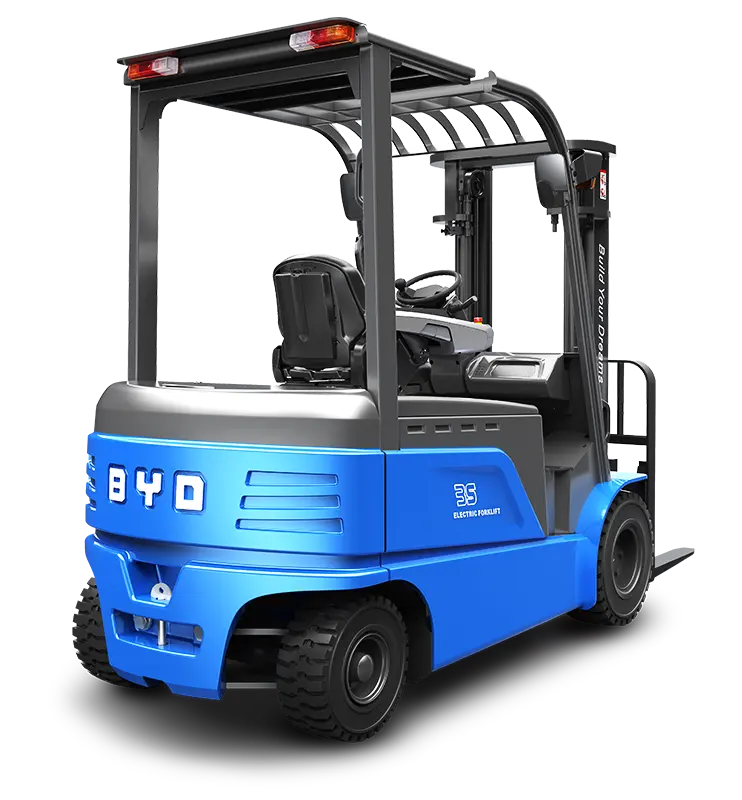
The basic pricing of a 3-ton electric forklift is mainly influenced by load parameters, battery life, body material, and power system configuration. Enterprises can match the corresponding configuration according to the load requirements of their own operating scenarios, average daily operating hours, and operating road conditions to avoid paying additional costs for unnecessary redundant functions. Priority is given to meeting core operating requirements.
Supporting ancillary expenses
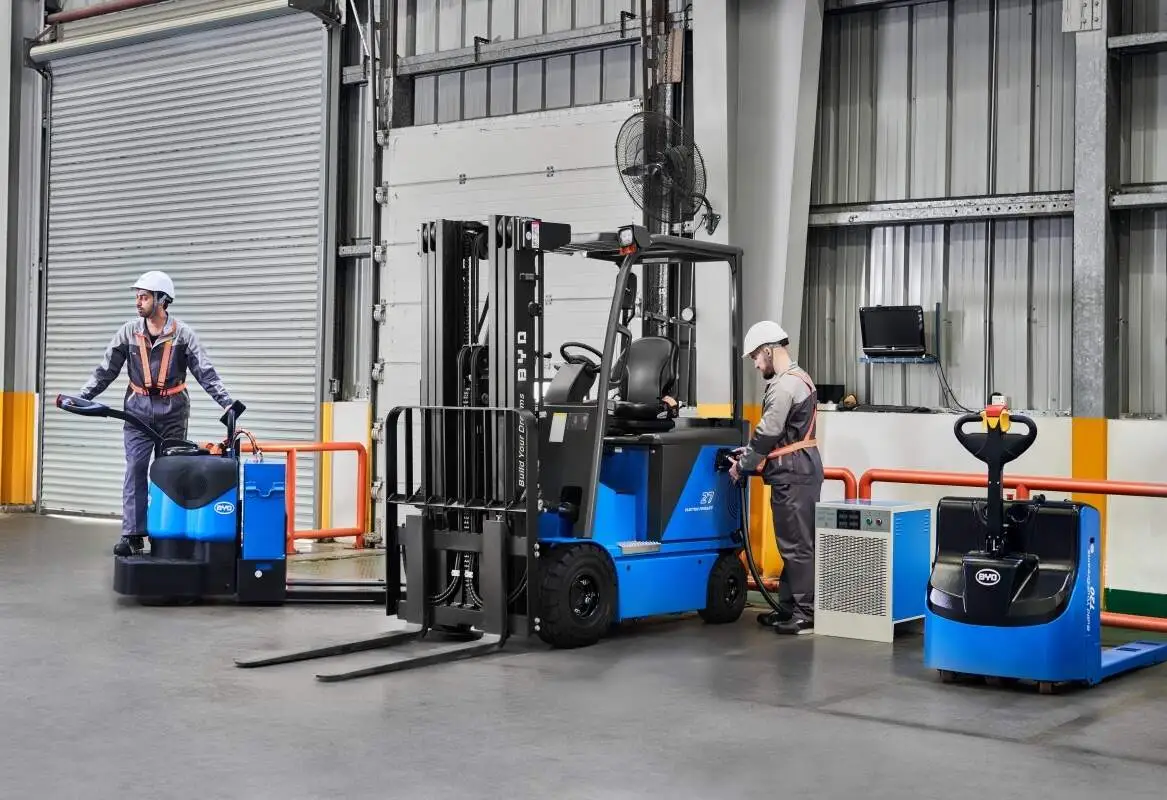
In addition to the basic car price, the expenditure on supporting facilities should also be calculated during the purchase stage, including special charging equipment, operation aids, and related expenses for the first license filing. Some special operation scenarios also require additional procurement of suitable attachments. This part of the cost usually accounts for 5% to 15% of the basic car price, which needs to be included in the procurement budget in advance.
Key points of operation and maintenance cost accounting
Daily energy cost
The daily energy consumption of electric forklifts is mainly based on electricity bills. According to the current average price of industrial electricity, the hourly operating energy consumption of 3-ton electric forklifts is about 5 to 8 degrees. Enterprises can calculate the annual energy consumption expenditure and include it in the long-term operation and maintenance budget based on their annual operation plan and daily average operating hours.
conventional maintenance cost
Maintenance costs include replacement of wearing parts, regular safety inspections, and routine failure maintenance. Under normal operating conditions, the annual maintenance cost accounts for about 3% to 8% of the purchase cost. If the operating environment is dusty, corroded by multiple acids and bases, or long-term high-load operations, the maintenance cost will rise to a certain extent, and a margin can be reserved according to the actual scene.
Budget accounting considerations
When calculating the procurement budget, priority should be given to the full life cycle cost, not just the short-term purchase price. Some models with low pricing may have higher subsequent energy consumption and maintenance costs, which will increase the overall expenditure. At the same time, it is recommended to reserve about 10% of the flexible budget to deal with unexpected expenses such as temporary equipment additions and sudden failure repairs.