简体中文
简体中文 Deutsch
 日本語
日本語 한국어
한국어 Tiếng Việt
 Русский
 ไทย
ไทย Bahasa Indonesia
 Bahasa Melayu
 Filipino
 لالعربية
 Français
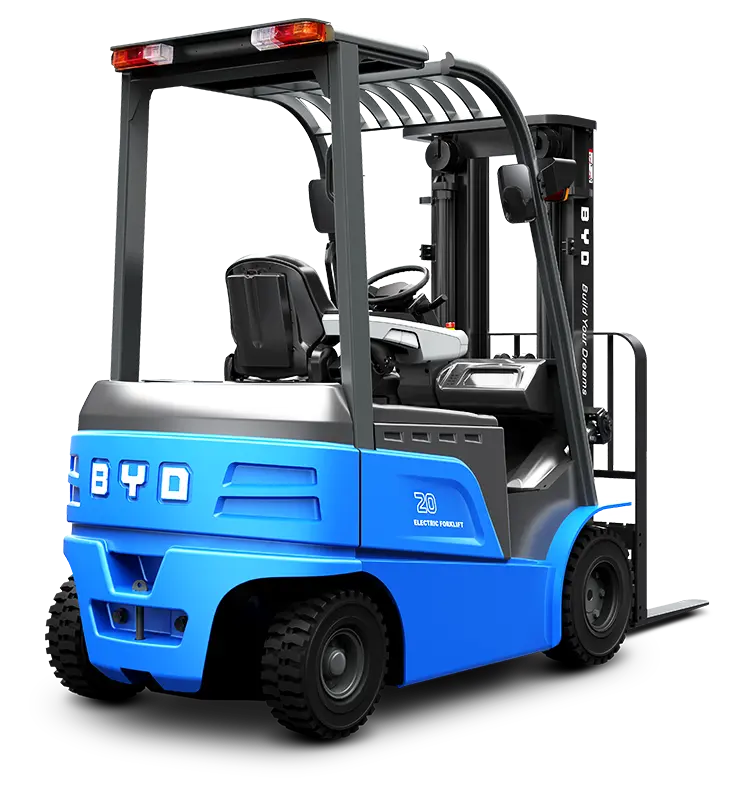
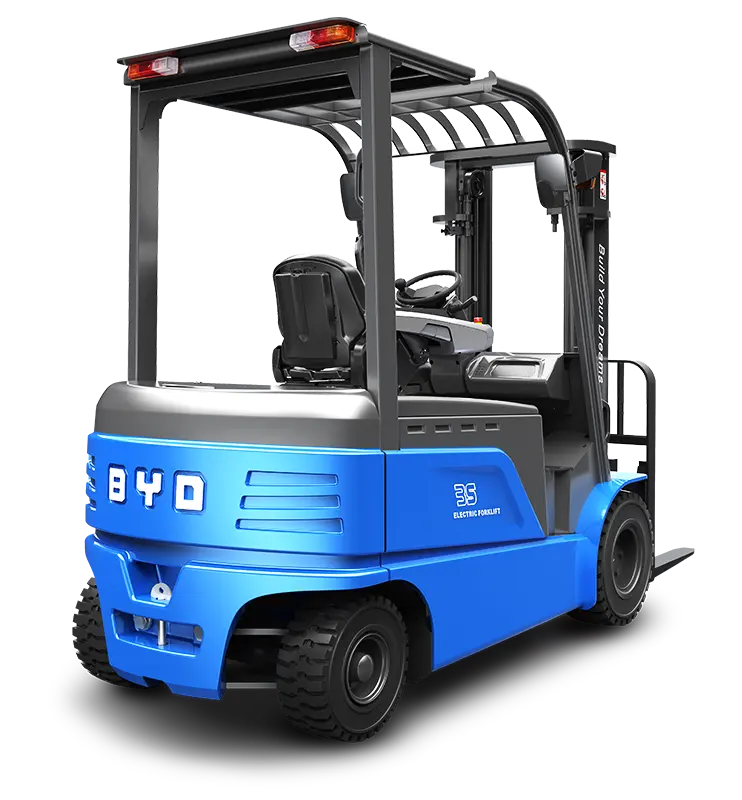
The material handling process of the paper industry involves a large number of heavy-duty goods. From raw material loading, unloading and storage to finished product transfer out of the warehouse, there are strict requirements on the carrying capacity, stability and environmental protection of the handling equipment. Traditional handling equipment often has problems such as insufficient power, excessive emissions or lack of flexibility, making it difficult to adapt to the needs of the whole process of paper production.
Core requirements for heavy-duty handling in the paper industry
In papermaking production, raw materials such as waste paper and wood pulp are often stored in tons. The single weight of finished paper rolls and paper piles can reach several tons. The handling route covers open-air roads, narrow passages in the workshop and high-shelf storage areas. It not only requires the equipment to have strong bearing capacity, but also needs to adapt to multi-scene driving and stacking needs. At the same time, after the environmental protection requirements are improved, the workshop handling equipment needs to meet the zero-emission standard to avoid polluting the production environment.
The advantages of adapting large-tonnage electric forklifts
With stable power output, large-tonnage electric forklifts can efficiently carry tons of goods and meet the core needs of heavy-duty handling in the paper industry. It is powered by electricity, operates without exhaust emissions, meets the environmental protection requirements of the workshop, and has low operating noise and will not interfere with production. Compared with traditional fuel equipment, electric forklifts are easier to maintain daily, reduce downtime and maintenance time, and help improve handling efficiency.
Core application scenario reference
In the raw material storage area, large-tonnage electric forklifts can complete the unloading and stacking operations of raw materials from transportation vehicles to high shelves, and improve the utilization rate of storage space; in the production workshop, forklifts can cooperate with the production line to complete the work in progress of pulp transfer and finished paper roll temporary storage and handling, flexible shuttle in narrow passages; in the finished product outbound link, forklifts can efficiently complete the paper roll and paper stacking operations, connecting the factory area and the logistics link of transportation vehicles.
Key points for practical application
When enterprises choose large-tonnage electric forklifts, they need to choose the appropriate equipment parameters according to the maximum weight and stacking height of the daily handling goods. In addition, it is necessary to regularly maintain and inspect the forklift battery and lifting parts to ensure stable operation. At the same time, professional training is provided for operators to standardize the operation process and ensure the safety of handling operations.