简体中文
简体中文 Deutsch
 日本語
日本語 한국어
한국어 Tiếng Việt
 Русский
 ไทย
ไทย Bahasa Indonesia
 Bahasa Melayu
 Filipino
 لالعربية
 Français
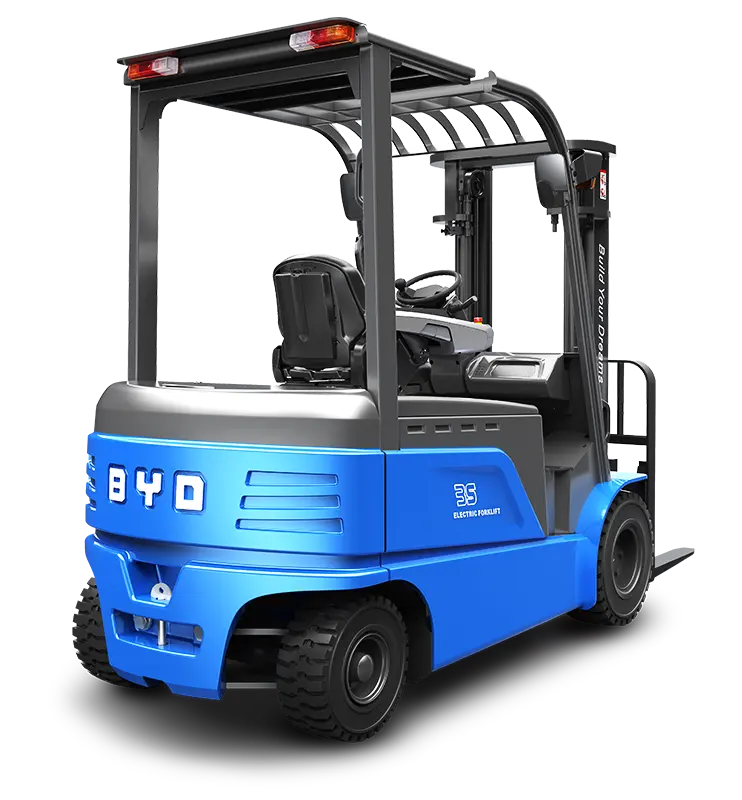
In logistics warehousing, manufacturing and processing scenarios, 3.5-ton fuel forklifts used to be the main handling equipment, but with the improvement of environmental protection requirements and the strengthening of operating cost control needs, many users consider replacing and upgrading their lithium battery systems. Before such upgrades are carried out, the basic inspection of adaptability must first be completed. It is necessary to check the size of the power output interface of the original vehicle, the internal space and load-bearing capacity of the battery compartment, the load-bearing system of the entire vehicle, and the compatibility of mechanical structures such as steering and braking to ensure that the replaced lithium battery system can be installed and operated smoothly without affecting the original safety performance.
The next step is the choice of core components. The core of the lithium battery system is the battery pack and the BMS management system. The capacity of the battery pack should be determined according to the daily operation time, operation intensity and site charging conditions. It is not possible to blindly pursue excessive capacity, so as not to exceed the load-bearing capacity of the battery compartment or increase unnecessary costs. The BMS management system should have basic safety functions such as overcharge and discharge protection, temperature monitoring, and short circuit protection. At the same time, it is recommended to choose a style that supports real-time data transmission, which is convenient for subsequent inspection of battery status and arrangement of charging plans. In addition to these two core components, the appropriate connecting harness, charging interface and other auxiliary accessories should be selected according to the original vehicle interface. All accessories should comply with relevant safety standards.
After completing the preparation of the accessories, it is recommended that the installation and commissioning be carried out by personnel with professional qualifications. During the installation process, the operation specifications should be strictly followed, the battery pack should be fixed, the connection parts should be ensured to be firm and reliable, and the insulation treatment should be done well. During the commissioning, it is necessary to check whether the starting, driving, steering, braking, lifting and other functions of the vehicle are normal, and test whether the protection functions of the BMS management system are effective. Only after confirming that it is correct can it be put into use.
In daily use, there are also some precautions for the 3.5-ton forklift after replacing the lithium battery. It is necessary to regularly check the cleanliness of the battery compartment to avoid dust, oil, etc. entering the interior of the battery pack and affecting the performance. When charging, use the supporting charging equipment to avoid charging in a high temperature and high humidity environment. To avoid overloading the vehicle for a long time, so as not to shorten the service life of the battery pack.