简体中文
简体中文 Deutsch
 日本語
日本語 한국어
한국어 Tiếng Việt
 Русский
 ไทย
ไทย Bahasa Indonesia
 Bahasa Melayu
 Filipino
 لالعربية
 Français
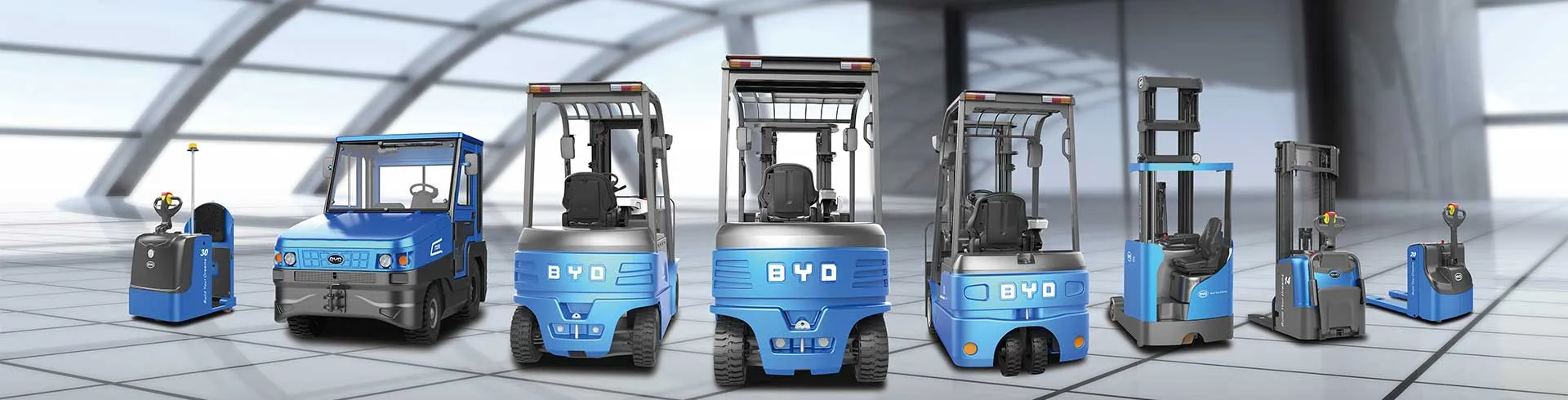
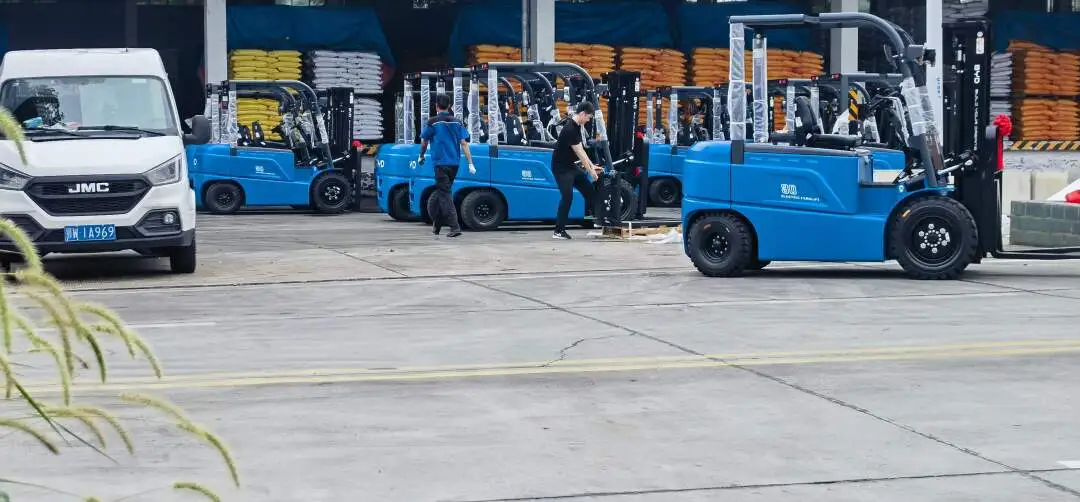
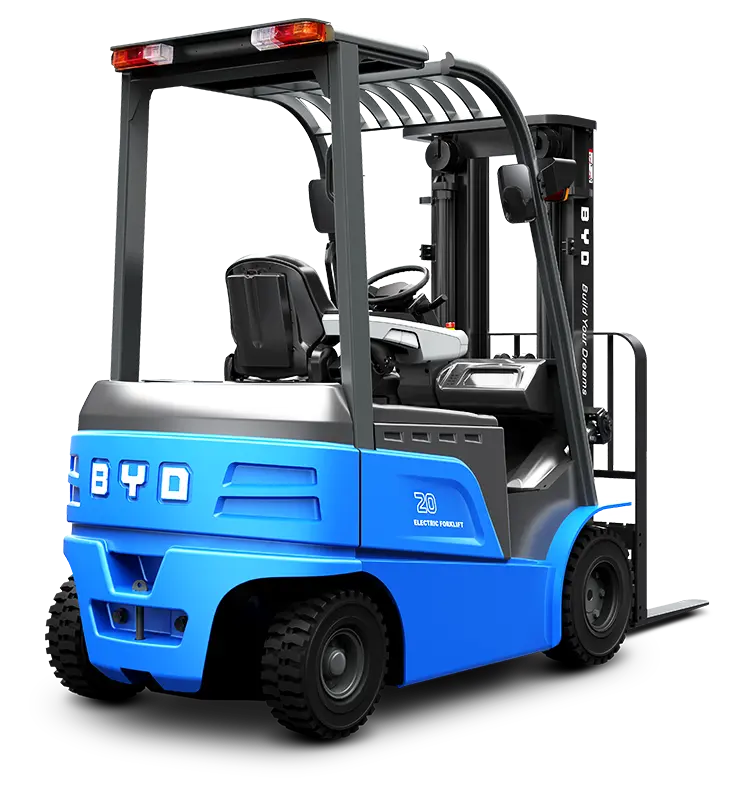
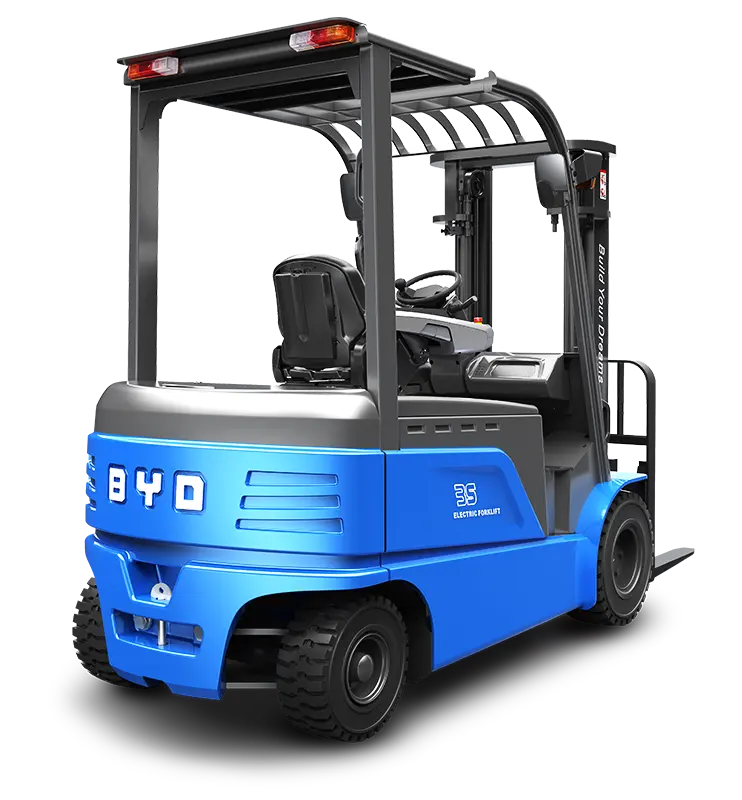
With the green upgrade of the global logistics and warehousing field, the demand for electric equipment has steadily increased, and foreign trade export of lithium-ion forklifts has become the business direction of many equipment suppliers. When conducting related business, export certification is a necessary threshold for entering overseas markets, and customization that meets local actual needs can enhance the competitiveness of products.
The certification of foreign trade export lithium-ion forklifts is the core to ensure customs clearance, shelf and use compliance. Different countries and regions have different requirements for industrial vehicles, and it is necessary to know in advance the mandatory or commonly recommended certification of the target market. The European market requires industrial vehicles to pass CE certification, which is a mandatory certification covering safety performance and electromagnetic compatibility. Products need to meet the relevant European Union directives before they can be sold and used in most member states of the European Union. UL or ANSI/CANCSA certification is commonly used in the North American market. UL certification focuses on the electrical safety and structural safety of products. ANSI/CANCSA certification is an industrial vehicle performance and safety specification covering the United States and Canada. Although some areas are recommended certifications, it is difficult for products that have not been certified to enter the mainstream warehousing scene. Thailand in the South East Asia market requires mandatory TISI certification, Malaysia recognizes SIRIM certification as a plus, and other South East Asia countries also have their own certification systems or refer to international common standards. Australia and New Zealand in Oceania use the RCM logo uniformly, integrating electromagnetic compatibility, electrical safety and other requirements. They need to complete the corresponding testing and certification before applying for the use of the logo.
The customization of foreign trade export lithium-ion forklifts needs to be based on the specific needs of overseas customers, while not violating the certification regulations of the target market. The first is the fine-tuning of the body size and load-bearing. There are differences in the spacing of warehouse shelves, channel width, and regular weight of goods for different customers. The length, width, and height of the body can be adjusted within the scope allowed by the certification, or the rated load-bearing range can be fine-tuned to adapt to the customer's storage space and daily operations. The second is the adaptation of operation functions and attachments. For example, customers need to frequently move pallets and have limited space, and side shifter attachments can be installed. Customers need to record the weight of goods during handling, and can install compliance weighing modules. Some customers need to deal with specific goods, and can install soft clamps, fork sleeves, and other commonly used attachments. The second is the customization of the appearance logo, which can be sprayed with the body color approved by the customer without covering the original certification logo, or pasted with the safety warning logo and corporate contact information that meet the local language requirements. Finally, the adaptation of battery life and specifications, such as the customer warehouse implementing multi-shift production industry, you can choose larger capacity compliance cells, or use the design that supports double battery quick change to reduce the waiting time of the operation.
Overall, foreign trade exports of lithium-ion forklifts require a solid foundation for certification and then reasonable customization based on customer needs in order to better expand overseas markets.