简体中文
简体中文 Deutsch
 日本語
日本語 한국어
한국어 Tiếng Việt
 Русский
 ไทย
ไทย Bahasa Indonesia
 Bahasa Melayu
 Filipino
 لالعربية
 Français
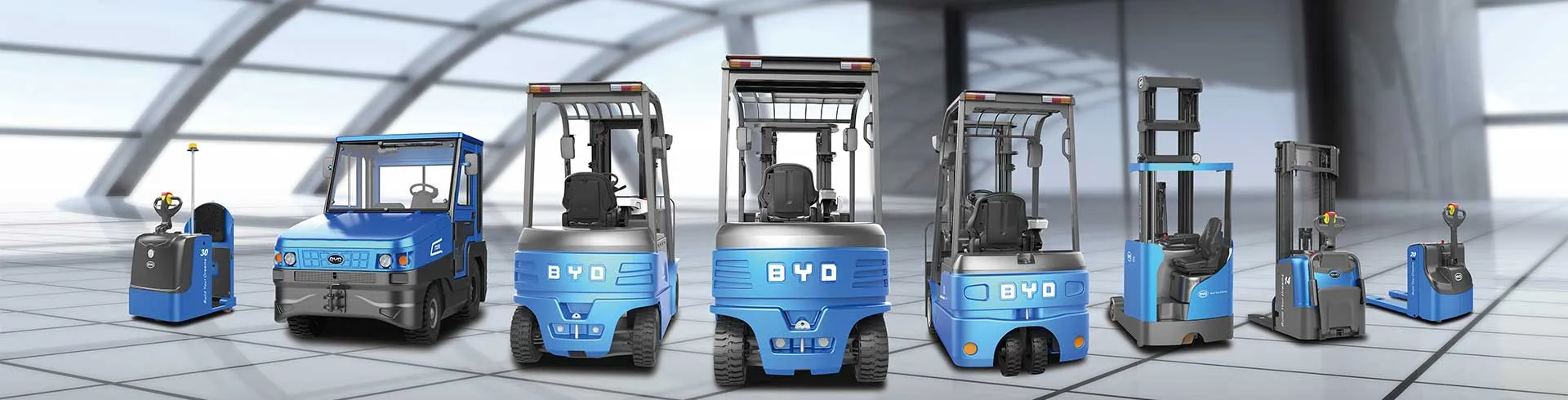
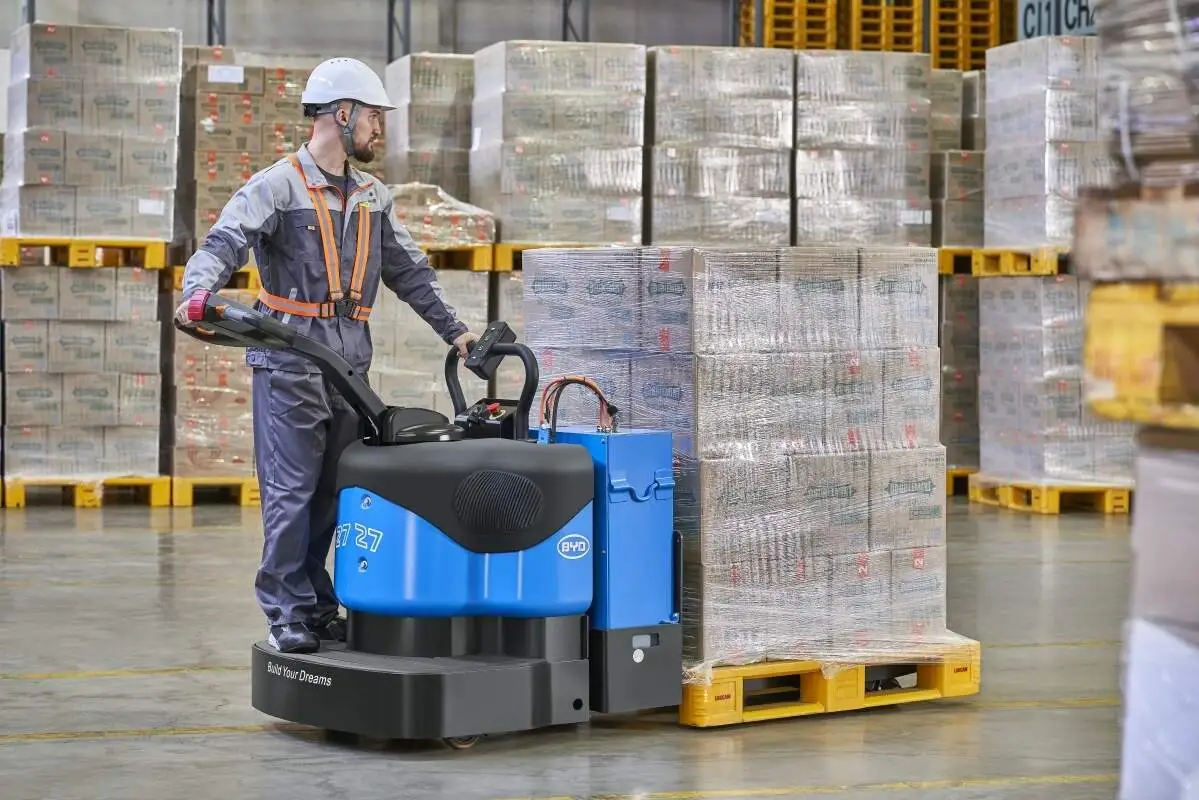
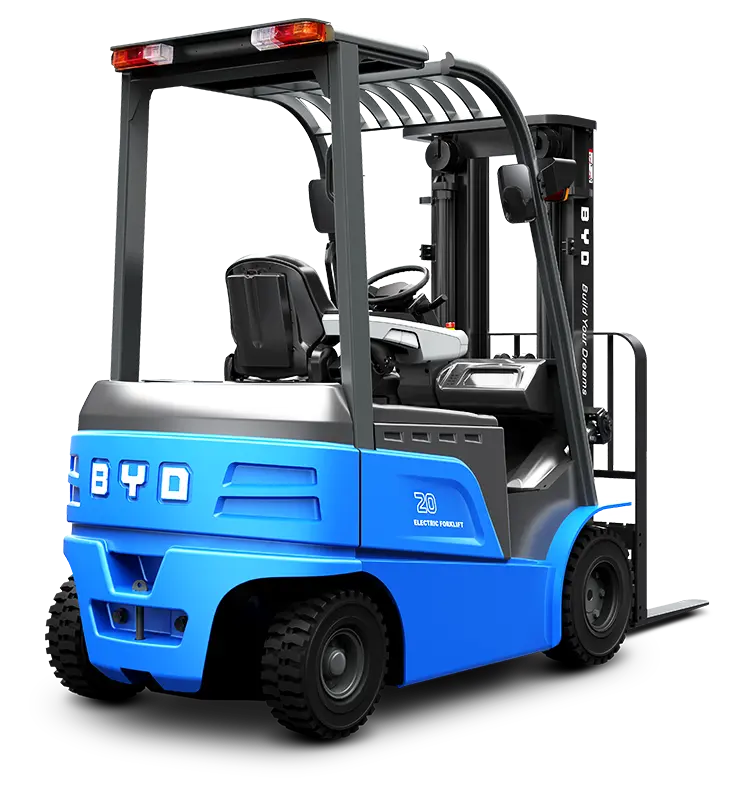
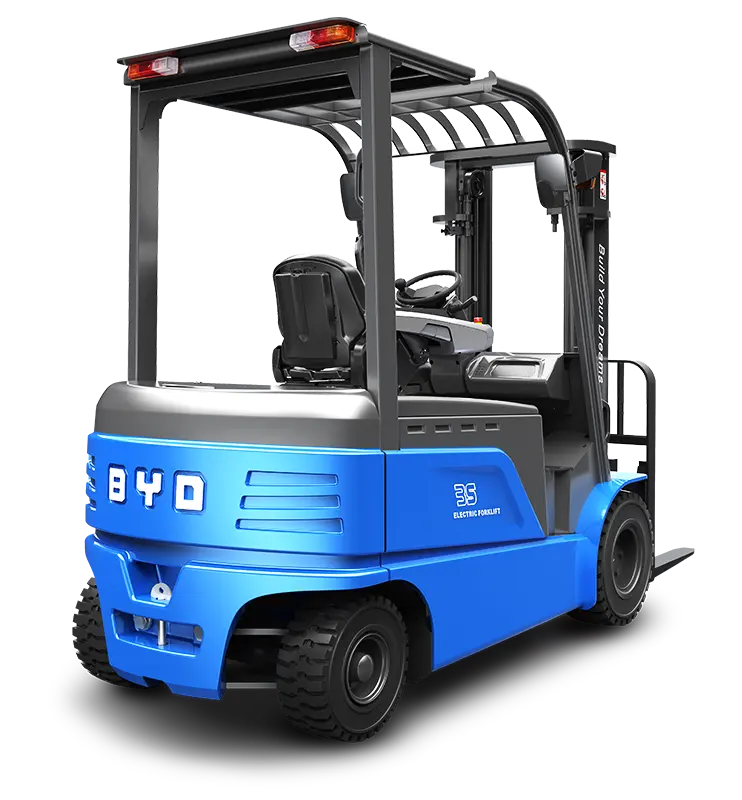
In industrial scenarios with flammable and explosive substances, explosion-proof forklifts are the key equipment to ensure the safety of material handling. Different explosive atmospheres have different explosion-proof requirements for equipment. Therefore, it is the core point of enterprise selection to clarify the classification standards of explosion-proof forklifts and match the corresponding applicable scenarios.
Classification standard for explosion-proof forklifts
Classification according to explosive atmospheres
Explosive atmospheres are divided into different hazardous areas according to the frequency, concentration and duration of the presence of flammable and explosive substances in the environment. For gas or steam environments, they are usually divided into areas where there is continuous danger, areas where danger may occur frequently, and areas where danger occurs occasionally; for dust environments, they are divided into areas where dust continues to accumulate or suspend, areas where dust may occur, etc. The level of explosion-proof forklifts needs to match the degree of danger in the corresponding area in order to effectively play a protective role.
Classification according to explosion-proof type
Common explosion-proof forklift explosion-proof types include explosion-proof type, increased safety type, intrinsically safe type, etc. Each type realizes explosion-proof protection through different technical paths. The explosion-proof type isolates the impact of internal explosions on the outside world through the shell, the increased safety type reduces the risk of failure by strengthening the equipment structure, and the intrinsically safe type ensures that the internal circuit energy of the equipment will not cause explosions. Different explosion-proof types correspond to different grade labels. The higher the level, the stronger the explosion-proof performance of the equipment, and the more severe the dangerous environment it can adapt to.
Applicable scenarios of explosion-proof forklifts of various grades
Applicable scenarios for high-grade explosion-proof forklifts
High-grade explosion-proof forklifts are suitable for high-risk operation areas where flammable and explosive gases and steam persist, such as petrochemical raw material storage areas, chemical continuous production workshops, etc. The concentration of dangerous substances in these places has been within the explosion limit range for a long time, and any electric spark or high-temperature surface may cause an explosion. Therefore, forklifts are required to have the highest level of explosion-proof protection to eliminate potential safety hazards in an all-round way.
Applicable scenarios for medium-grade explosion-proof forklifts
Medium-grade explosion-proof forklifts are suitable for areas where flammable and explosive substances are intermittently present, such as the loading and unloading operation area of refined oil warehouses, the raw material preparation room for daily chemical product production, etc. Such places are usually not obviously dangerous, but may briefly release flammable gases or steam in specific operation links. Forklifts need to have strong explosion-proof performance to deal with occasional dangerous environments.
Applicable scenarios for low-grade explosion-proof forklifts
Low-grade explosion-proof forklifts are suitable for operation areas where combustible dust exists, such as grain processing workshops, feed production plants, wood processing plants, etc. When the dust in these places reaches a certain concentration in the air, it is easy to cause an explosion in case of a fire source. Forklifts need to be designed for dust explosion protection to prevent dust from entering the equipment and contacting high-temperature parts or generating electric sparks to ensure operation safety.
When choosing explosion-proof forklifts, enterprises need to comprehensively evaluate the hazard level and material type of the working environment, and then match the corresponding level of explosion-proof forklifts to ensure the safety compliance of the material handling process and avoid the safety risks caused by the mismatch of explosion-proof grades.