简体中文
简体中文 Deutsch
 日本語
日本語 한국어
한국어 Tiếng Việt
 Русский
 ไทย
ไทย Bahasa Indonesia
 Bahasa Melayu
 Filipino
 لالعربية
 Français
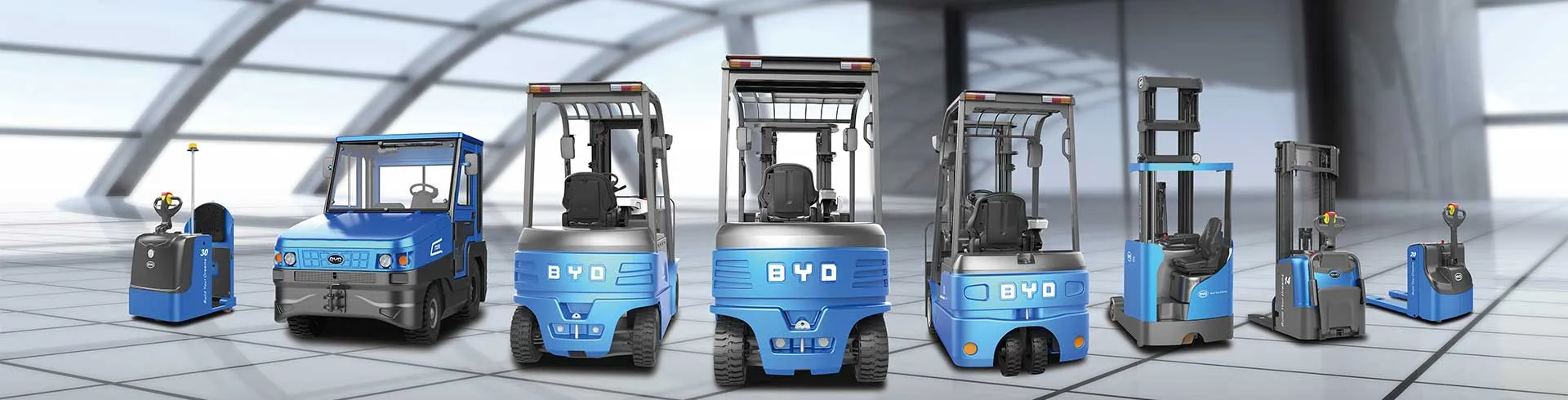
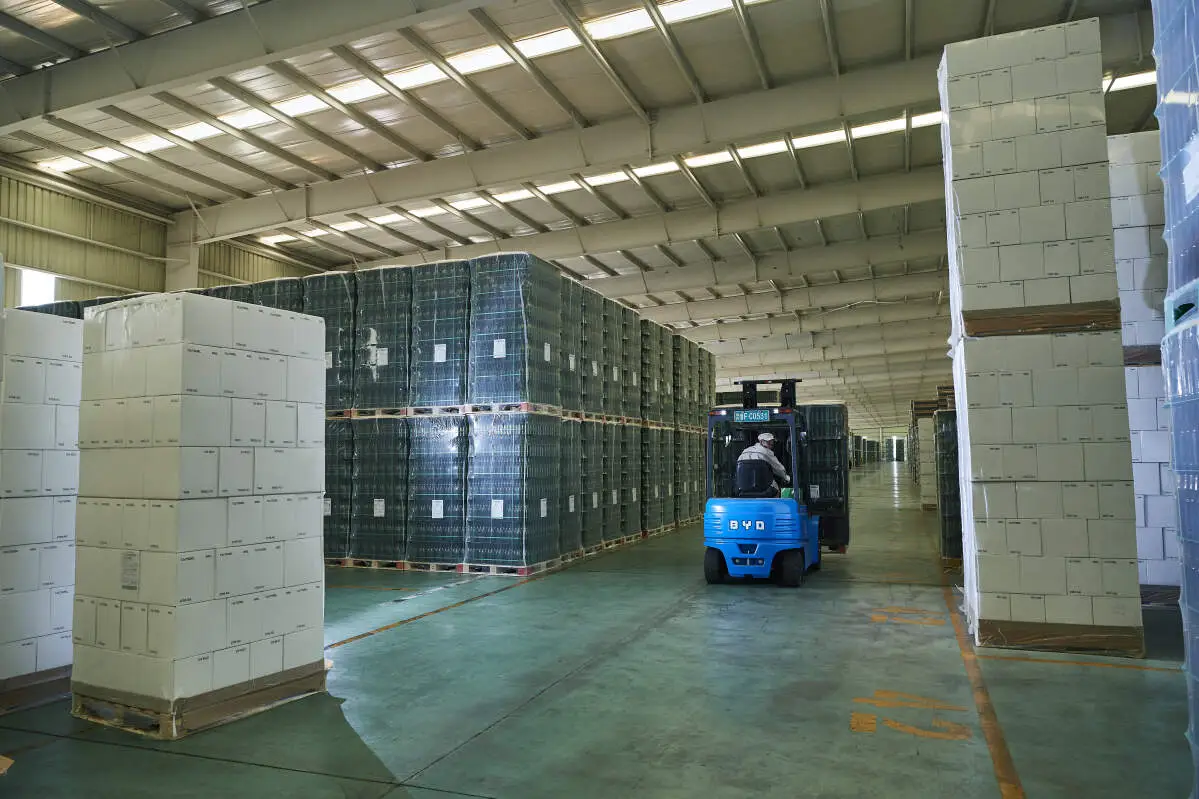
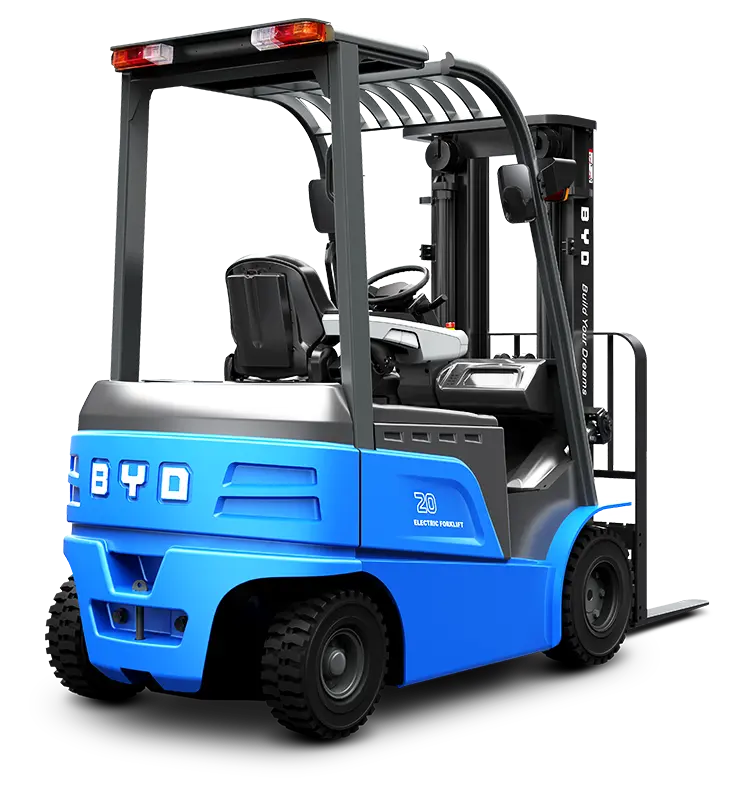
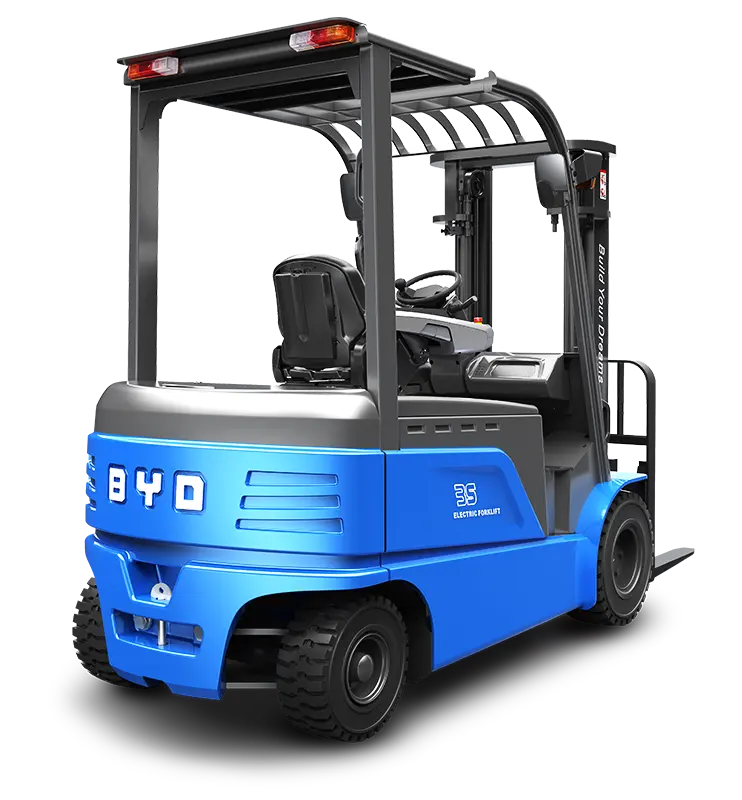
For cargo handling operations in a narrow elevator space, the size adaptability of the equipment is one of the core factors to be considered first. As a common handling equipment, the size of the electric forklift body and the working state directly determines whether it can enter and exit the elevator smoothly and complete the handling task. Today, we will explain its size parameters in detail for this electric forklift suitable for elevator operation, providing reference for relevant operation scenarios.
Body base dimension reference
Understanding the static body size of an electric forklift is the basis for judging whether it can enter the elevator. When the fork is put away, the overall length of the BYD P20JW is controlled within a reasonable range, which can adapt to the depth of most ordinary car elevators. The body width design is compact, which meets the common width restrictions of elevator cars, and can pass smoothly even in narrow elevators. The body height is optimized to be lower than the net height of most elevators, so there is no need to worry about top collisions. At the same time, its turning radius is small, and it can be flexibly adjusted in the limited space inside the elevator, reducing the difficulty of operation.
Size change in operation state
In addition to the static size, the dynamic size during the operation is equally important. When the fork is lifted to carry the goods, the maximum lifting height of the fork of the BYD P20JW will not exceed the height limit of the elevator car, ensuring that the lift or landing operation of the goods in the elevator will not touch the top. In addition, the width of the fork after unfolding has also been reasonably designed, so that when carrying conventional size goods, it can still be kept within the width range of the elevator car, and there will be no lag. At the same time, considering the stability of the cargo handling, the wheelbase and wheelbase of the forklift have also been designed for adaptability, so that it can still be kept stable when operating in a small space.
Key points for elevator adaptation
Before choosing the BYD P20JW for elevator operation, it is also necessary to check the parameters of the actual elevator. First, measure the internal length, width and height of the elevator car and compare it with the static size of the forklift to ensure that there is enough space for entry and exit; secondly, consider the carrying capacity of the elevator to ensure that the total weight of the forklift and the goods is within the rated load range of the elevator; in addition, the door width of the elevator is also a key factor, and it is necessary to ensure that the forklift can pass through the elevator door smoothly when the fork is put away. In actual operation, it is recommended to conduct a trial operation in advance to confirm the smooth operation of the forklift in the elevator to avoid stuck or collision situations.
Accurately grasping the size parameters of the electric forklift is crucial for the efficient operation of the elevator handling operation. BYD P20JW optimizes the design of a compact body size and a reasonable operation size for the elevator scene, which can adapt to most conventional elevator spaces and provide reliable equipment support for cargo handling in narrow environments. In practical applications, the adaptation check combined with the specific parameters of the elevator can give full play to the handling advantages of the equipment and improve the operation efficiency.