简体中文
简体中文 Deutsch
 日本語
日本語 한국어
한국어 Tiếng Việt
 Русский
 ไทย
ไทย Bahasa Indonesia
 Bahasa Melayu
 Filipino
 لالعربية
 Français
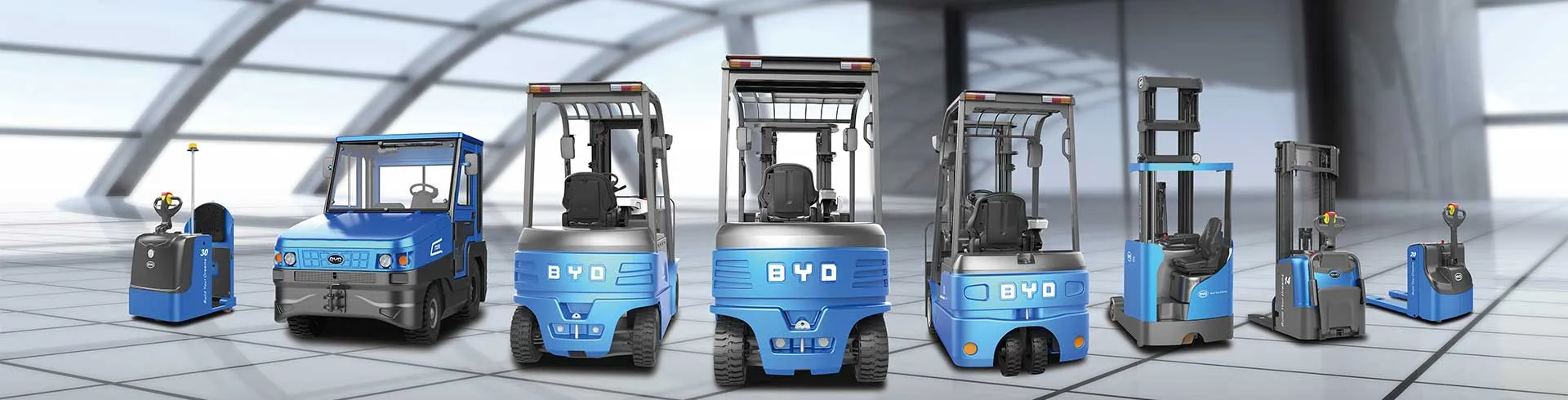
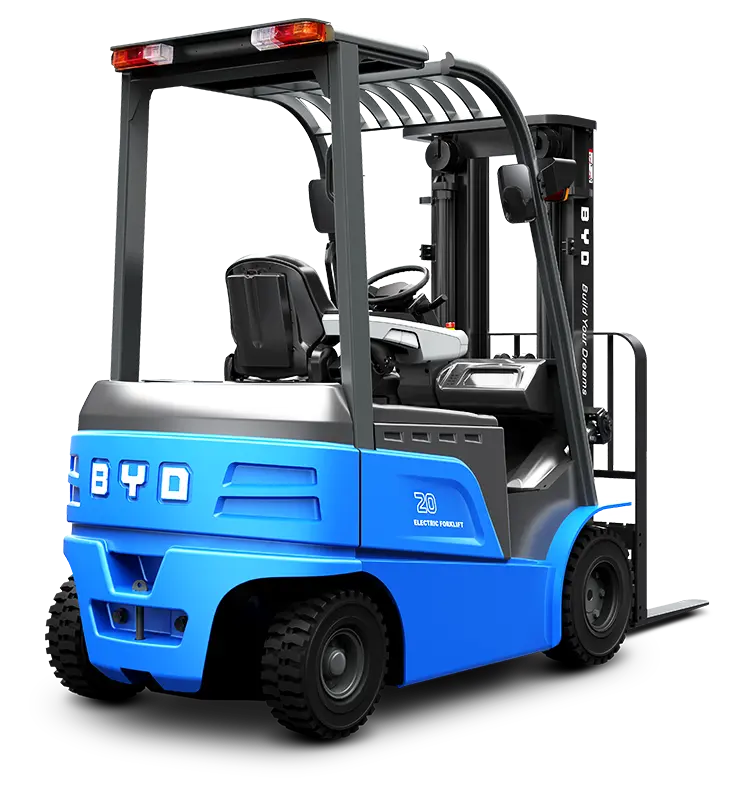
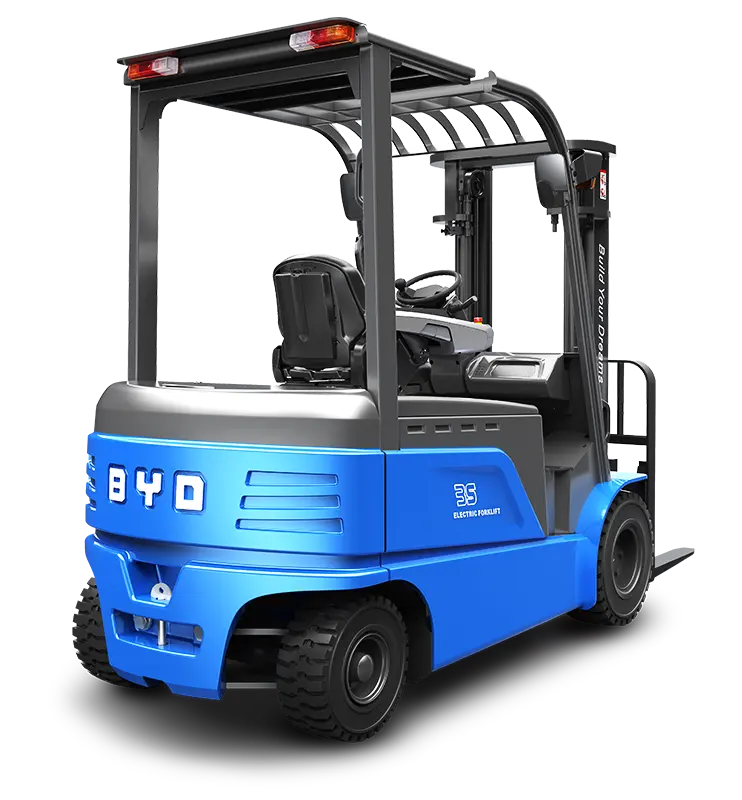
High gantry forklifts are the core equipment for high-level warehousing and unloading operations. At present, the mainstream power types are divided into electric and internal combustion. Many users find it difficult to distinguish the adaptation scenarios of the two when selecting models, and can make comprehensive judgments from performance differences and scene adaptation.
core performance difference comparison
In terms of power output characteristics, the internal combustion high-gantry forklift uses fuel as the power source, has sufficient power reserve, strong climbing ability, and better adaptability to complex road conditions, but it will generate exhaust emissions during operation, and the noise is too large. Electric high-gantry forklifts use energy storage batteries as the power source, and the power output is stable. The operation process has no exhaust gas, low noise, and is more friendly to the working environment.
In terms of operation adaptation restrictions, both types of models can be adapted to conventional high-level loading and unloading needs. The continuous operation time of internal combustion high-mast forklifts is not limited by charging, and the replenishment speed is fast, which is suitable for long-term continuous operation scenarios. The weight distribution of electric high-mast forklifts is more uniform, and the stability performance during high-level operation is better. However, a fixed charging site is required, and the operation time of a single full charge is generally between 6 and 8 hours.
Application scenario distinction
Electric high-gantry forklifts are more suitable for scenes with high air quality and noise control requirements such as indoor storage, cold chain warehouses, food and medicine processing workshops, etc. Floor operations, daily tally in closed shelf areas, and high-level loading and unloading of small and medium-sized parts can also be preferred. This type of model has lower operation and maintenance costs and more obvious economic advantages for long-term use.
Internal combustion high-gantry forklifts are more suitable for scenes with complex environmental conditions such as outdoor open-air storage yards, port docks, and building materials transportation stations. Such scenes generally have the characteristics of uneven road surfaces, steep slopes, high demand for heavy-duty loading and unloading, and no fixed charging conditions. The environmental adaptability and continuous operation ability of internal combustion models better meet the needs of such scenarios.
When selecting a model, you can make a comprehensive judgment based on factors such as your own operating environment, operating hours, and the weight of loading and unloading goods, and give priority to models that are more compatible with actual needs, which can not only improve operating efficiency, but also reduce long-term use costs.