简体中文
简体中文 Deutsch
 日本語
日本語 한국어
한국어 Tiếng Việt
 Русский
 ไทย
ไทย Bahasa Indonesia
 Bahasa Melayu
 Filipino
 لالعربية
 Français
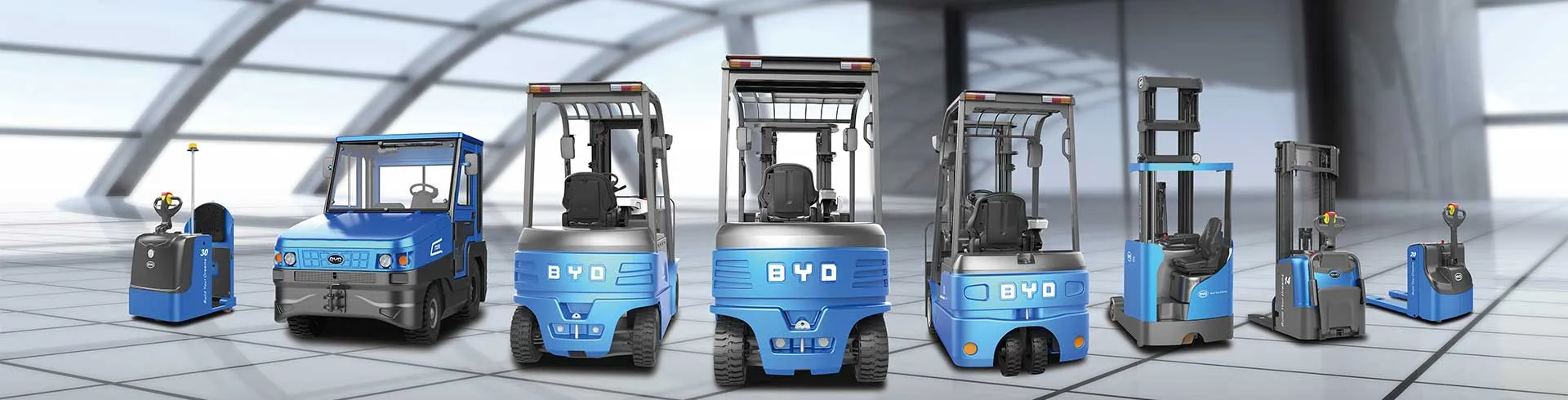
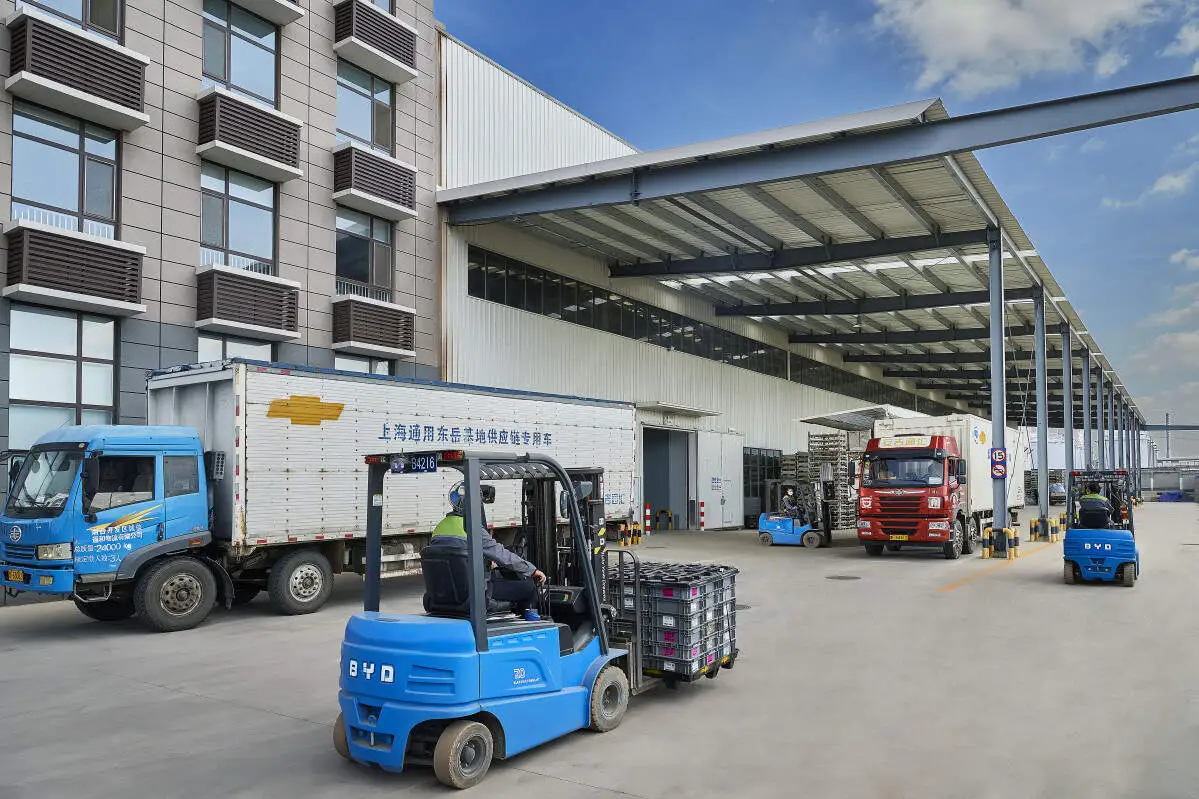
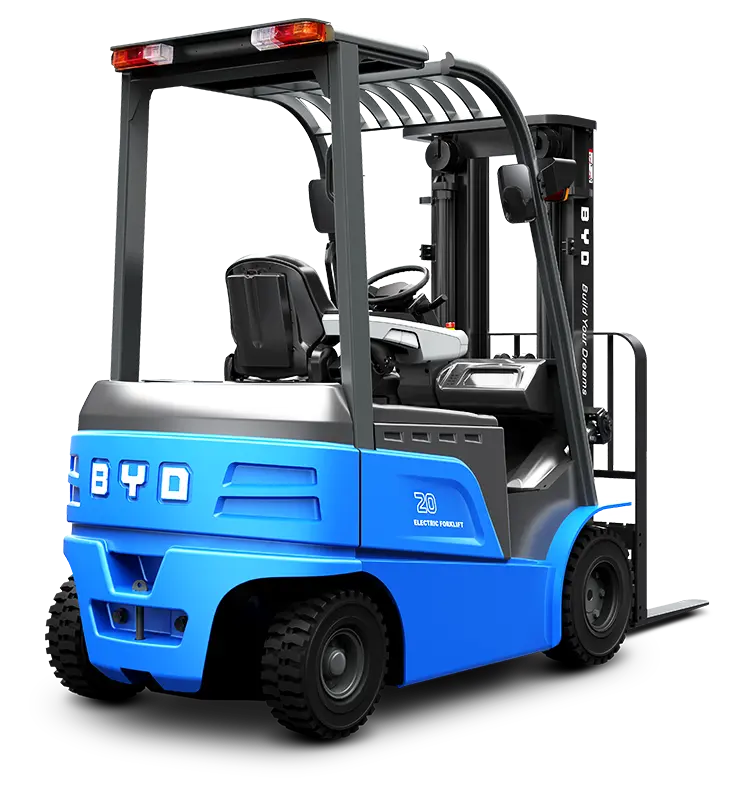
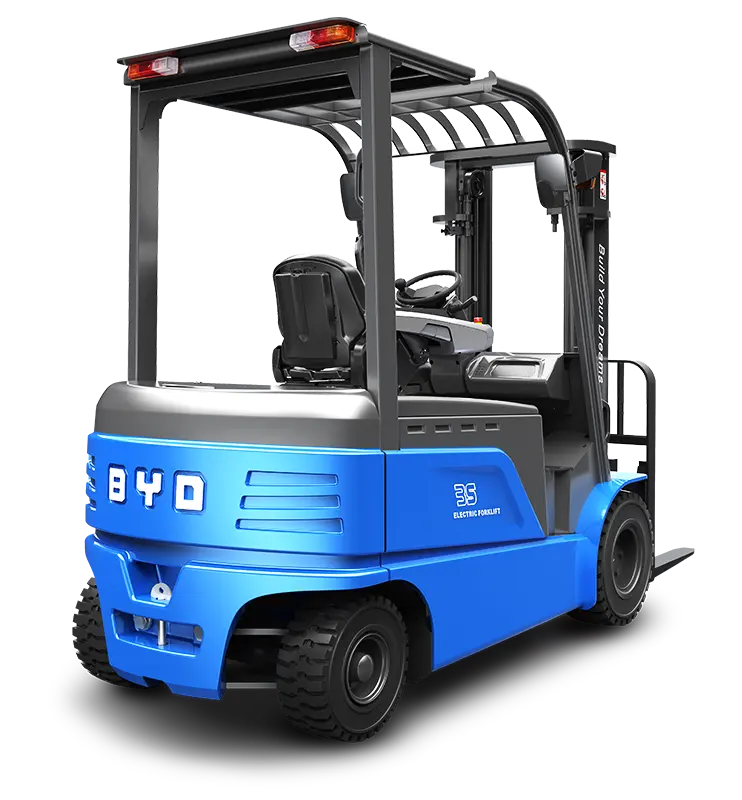
In the cold chain low-temperature storage scenario, the temperature is often as low as minus ten or even more than twenty degrees Celsius, which will have a significant impact on the lithium-ion battery, the core power source of the lithium-ion forklift. For example, the movement of the active material inside the battery slows down, the internal resistance increases, and the actual available capacity will decrease to a certain extent, directly shortening the cruising range of a single operation. At the same time, the charging time may also be extended accordingly, and even the charging start is slow, which affects the rhythm of the overall warehousing operation. As a practitioner focusing on the field of electric forklifts, combined with practical experience, I have sorted out several professional and practical cruising and cold-proof directions for relevant practitioners to refer to.
First of all, we must make a good selection of basic low-temperature compatible lithium-ion batteries. Different types of lithium-ion batteries have different low-temperature performance. Generally speaking, battery systems with better low-temperature resistance can be given priority. Such batteries have relatively higher capacity retention in low-temperature environments and more stable internal resistance changes. In addition, we should also pay attention to the marking of the operating temperature range of the battery to ensure that the selected battery can cover the actual minimum operating temperature of the current storage, laying a good foundation for subsequent use.
Secondly, you can pay attention to the temperature control design of the electric forklift itself. On the one hand, the thermal insulation design of the battery compartment, high-quality thermal insulation materials can effectively reduce the direct impact of external low temperature on the inside of the battery, and maintain the battery in a relatively suitable small ambient temperature. On the other hand, some professional electric forklifts will be equipped with an intelligent preheating system. Before charging or operation, the battery is gently preheated in advance, so that it can quickly enter the optimal working temperature range, thereby improving the capacity release efficiency, shortening the waiting time in the early stage of charging, and ensuring the continuity of operation.
Finally, it is necessary to develop reasonable operation and maintenance habits in a low temperature environment. For example, when charging, try to choose a dedicated indoor charging area with a relatively high temperature, and avoid charging or parking the vehicle in an open-air low-temperature environment for a long time. After the operation, the vehicle should also be driven into an area with suitable temperature in time, and the battery should not be exposed to extreme low temperature for a long time. In daily use, it is necessary to regularly check the status of the battery to ensure that the connecting parts are normal, so as to avoid aggravating the impact of low temperature due to problems such as poor contact.
These methods can be used alone or in combination, adjusted according to the actual storage temperature, operation intensity, etc., to help alleviate the impact of low temperature on the battery life of lithium-ion forklifts and improve overall operation efficiency.