简体中文
简体中文 Deutsch
 日本語
日本語 한국어
한국어 Tiếng Việt
 Русский
 ไทย
ไทย Bahasa Indonesia
 Bahasa Melayu
 Filipino
 لالعربية
 Français
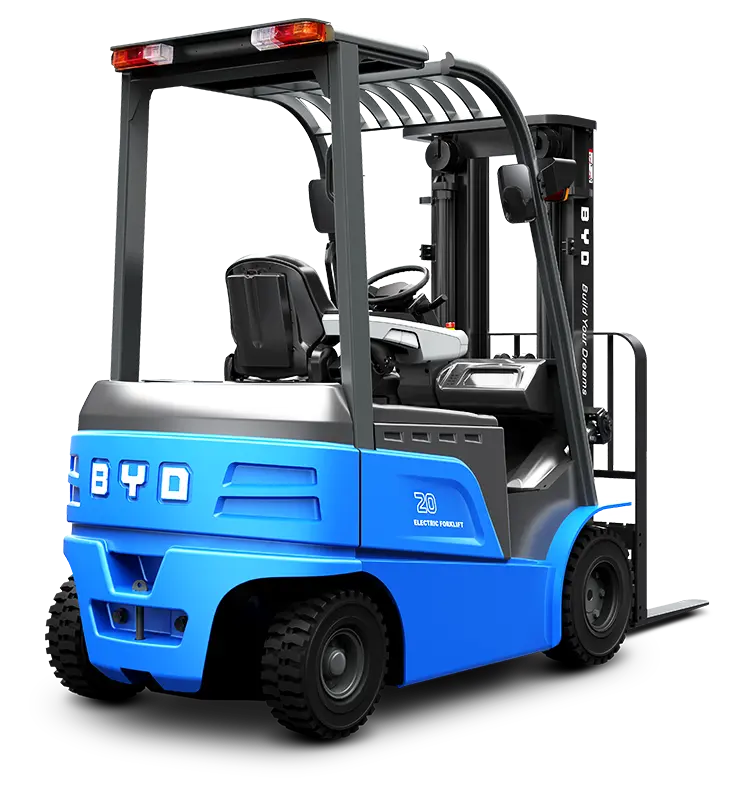
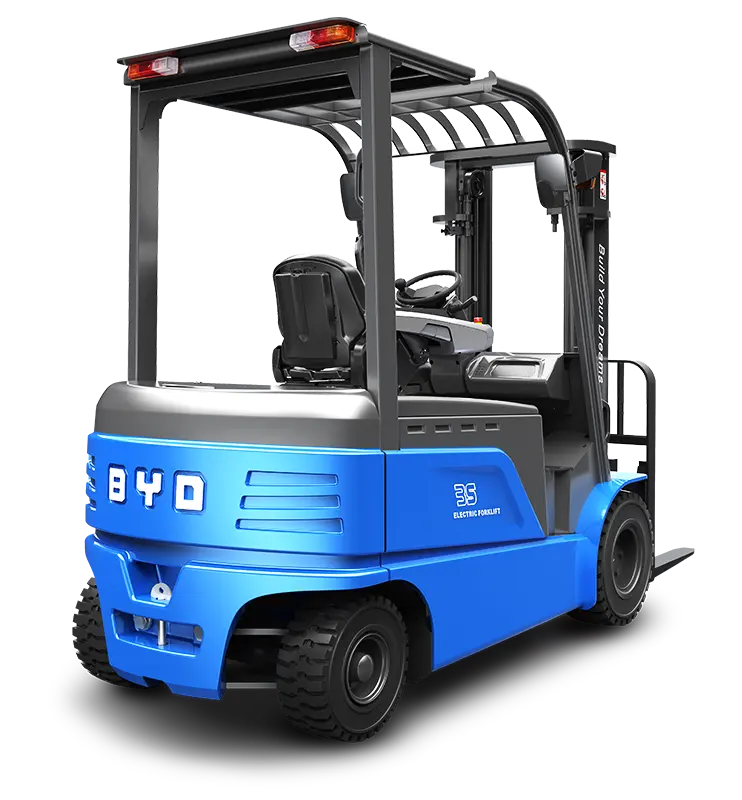
The daily maintenance and regular maintenance of electric forklifts are the key links to ensure the stable operation of equipment and prolong the service life. For BYD P20JW electric forklifts, following the standard maintenance procedures and maintenance cycles can effectively reduce the failure rate and improve operating efficiency.
Daily maintenance steps
Battery system maintenance is the core power guarantee of an electric forklift. Before daily use, check whether the battery power meets the needs of the day's operation, check whether the battery terminals are loose or corroded. If corrosion is found, it needs to be cleaned with a special cleaner in time to ensure that the circuit connection is stable. At the same time, pay attention to whether there is leakage in the battery box, keep the battery surface clean and dry, and avoid dust accumulation affecting heat dissipation.
Brake system inspection is directly related to job safety. Before each start, test whether the stroke of the brake pedal is normal, whether there is any abnormal sound or card when stepping on the pedal, check the wear degree of the brake pad, and replace it in time if the wear exceeds the specified range. Also check whether the brake fluid level is in the standard range, and replenish the brake fluid of the same specification in time when it is insufficient.
Hydraulic system maintenance ensures the smooth operation of the forklift. It is necessary to check whether the hydraulic oil level meets the requirements every day, observe whether there are any leakage marks in the hydraulic pipeline and joints, and if leakage is found, tighten or replace the seals in time. After starting the forklift, operate the lifting and tilting device to check whether the action is smooth and whether there is any abnormal noise to ensure the normal operation of the hydraulic system.
Appearance and structural inspections ensure overall integrity. Check for deformation and cracking of the forklift body, bending and wear of the fork, adequate tire pressure, and loosening of the wheel hub. Check for potential structural problems in a timely manner.
maintenance cycle
Daily maintenance needs to be completed before and after the operation. Complete the above daily inspection items before the operation. After the operation, clean the dust and oil on the surface of the forklift, park the forklift in the designated area, turn off the power, and pull the handbrake.
Weekly maintenance requires a comprehensive investigation. Check the electrolyte level of the battery, and replenish distilled water as required when insufficient; check the flexibility of the steering system to see if the steering rod is loose; clean the dust on the surface of the air filter to ensure smooth intake.
Monthly maintenance focuses on in-depth maintenance. Conduct in-depth inspections of the brake system, including the working status of the brake master pump and sub-pump, and replace the deteriorated brake fluid; check the filter element of the hydraulic system and replace it if necessary; add special lubricating oil to each lubrication point of the forklift to reduce component wear.
Quarterly maintenance focuses on the inspection of core components. Check the capacity and charging performance of the battery. If the performance decreases, maintenance is required; check the wear of the fork and make necessary repairs or replacements; conduct a comprehensive investigation of the vehicle circuit to ensure that the line is not aging or damaged.
Strictly following the above maintenance steps and maintenance cycles allows BYD's P20JW electric forklift to maintain a good operating condition and provide reliable protection for daily operations.