
 简体中文
简体中文 Deutsch
 日本語
日本語 한국어
한국어 Tiếng Việt
 Русский
 ไทย
ไทย Bahasa Indonesia
 Bahasa Melayu
 Filipino
 لالعربية
 Français
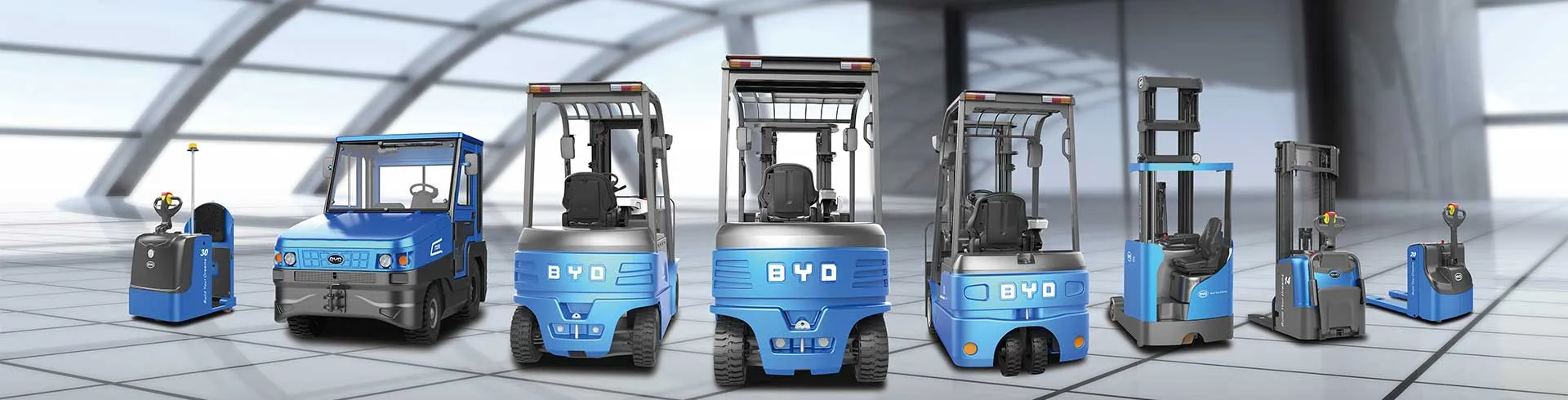
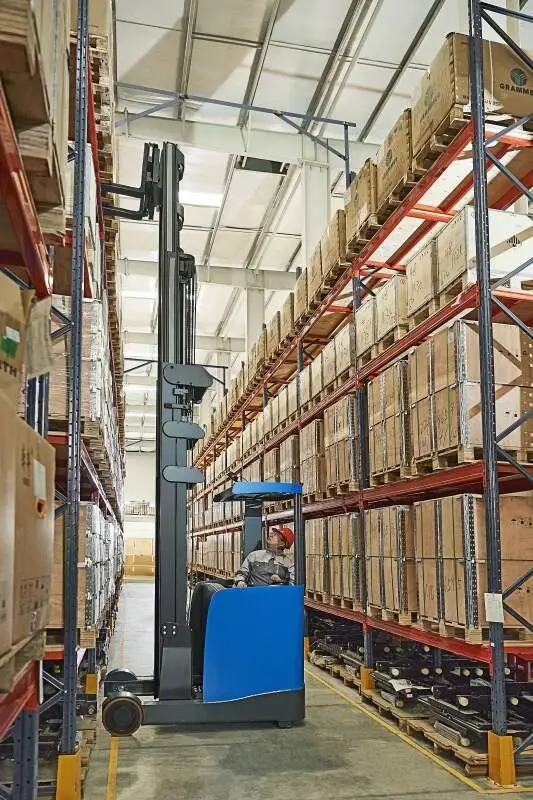
The 8-ton lithium battery forklift is a commonly used operating equipment in warehousing, express distribution, light industry manufacturing and other scenarios. If only the initial unit price is torn during procurement, it is easy to ignore the cost difference of the whole life cycle, resulting in excessive use or maintenance costs in the later stage. Next, its comprehensive cost structure is disassembled from three core dimensions to provide scientific decision-making reference for purchasers. Reasonable consideration of acquisition cost. The acquisition cost is the initial investment of procurement, and the appropriate model needs to be selected in close combination with the requirements of the actual operation scene such as load, space, and operation time. For example, for the light load requirements of indoor narrow channel operations, there is no need to choose models with load caps exceeding actual needs, which can effectively reduce the initial purchase cost; at the same time, priority should be given to confirming the compliance of equipment and the quality certification of core components to avoid late maintenance or replacement costs caused by quality defects. Some purchasers blindly pursue high configuration, but instead increase unnecessary investment, which is a misunderstanding to avoid when purchasing. Long-term value of operation and maintenance costs. There are obvious differences in operation and maintenance costs between lithium-ion forklifts and traditional fuel forklifts. Lithium battery equipment does not require regular replacement of oil, hydraulic oil and other consumables, and the maintenance cycle is hundreds of hours. It only needs to complete basic maintenance such as cleaning and battery status inspection on a daily basis, and does not require professional complex operations. In the long run, it can save a lot of consumables procurement and manual maintenance costs. In addition, the mechanical structure of lithium battery equipment is relatively simple, and the failure rate is low, which can reduce the loss of operation shutdown caused by equipment failure, and indirectly reduce hidden costs. Difference analysis of energy consumption costs. Energy consumption costs are one of the core variable costs of 1.8-ton lithium battery forklifts. The unit price of electric energy is much lower than that of fuel or diesel energy. Moreover, lithium battery equipment has higher energy conversion efficiency and can convert more electric energy into effective power. According to the standard calculation of 8 hours of daily operation and 250 days of annual operation, the annual energy consumption cost of lithium-ion forklifts is only about one-third of the same heavy-duty fuel forklift model, and the energy consumption advantage of long-term use is very significant, which is also a part that cannot be ignored in the whole life cycle cost assessment. To sum up, when purchasing a 1.8-ton lithium-ion forklift, it is necessary to comprehensively balance the initial purchase cost, long-term operation and maintenance cost and energy consumption cost, and choose a model suitable for its own operation scene in order to achieve the optimal cost configuration and improve the cost performance of equipment use.


