简体中文
简体中文 Deutsch
 日本語
日本語 한국어
한국어 Tiếng Việt
 Русский
 ไทย
ไทย Bahasa Indonesia
 Bahasa Melayu
 Filipino
 لالعربية
 Français
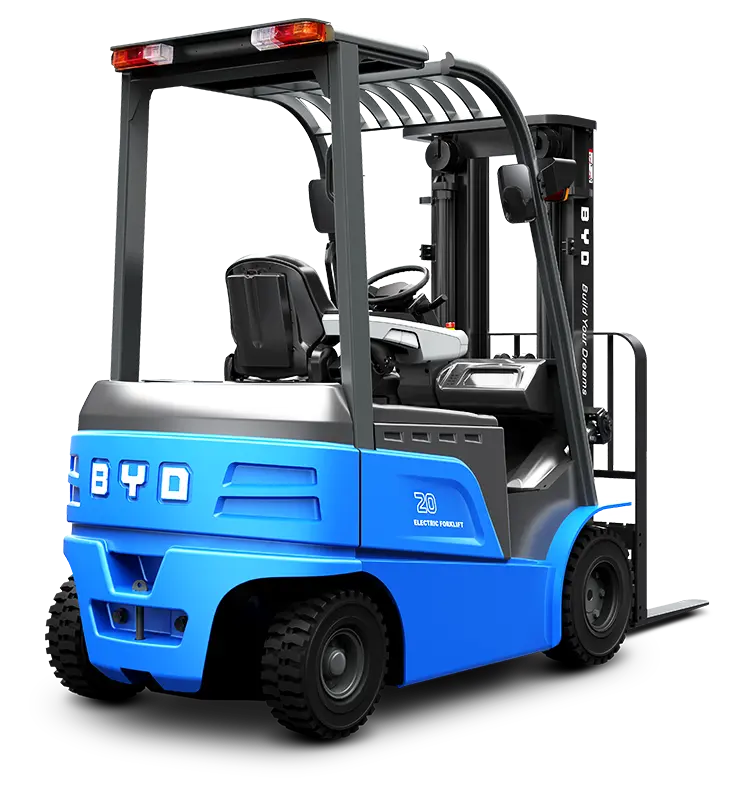
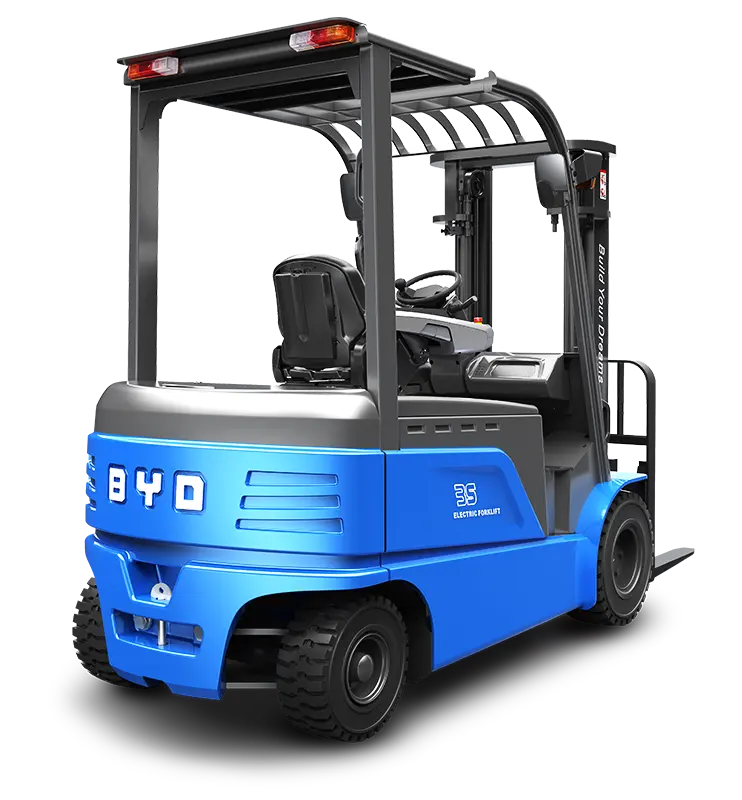
In factory areas, logistics parks and other operating scenarios, the road conditions are often complex and changeable, with potholes, ramps, and temporarily stacked material bulges often appearing, which brings no small challenges to the driving and operation of electric forklifts. The 3-ton electric forklift P30PS provides a feasible solution for dealing with such complex roads with its floating chassis design.
Adaptive Adaptation Logic of Floating Chassis
Dynamic Regulation Mechanism of Fitting Pavement
Traditional forklift chassis are mostly rigid connections, and tires are prone to be suspended and lack of grip when encountering uneven roads. The floating chassis of this electric forklift adopts a flexible connection structure, which can dynamically adjust the chassis attitude according to the ups and downs of the road surface, so that the tires always fit to the ground, ensuring uniform distribution of grip during driving, and reducing risks such as skidding and bumping.
Stability assurance under load
When carrying heavy objects, the uneven road surface is more likely to cause the center of gravity of the forklift to shift, causing safety hazards. The floating chassis can disperse the load impact force through the buffer structure, reduce the tilt range of the body, and maintain the stability of the body even when driving on potholed roads, ensuring the safety of cargo transportation.
Actual job performance in complex scenarios
Driving efficiency of potholed roads
On the road surface of the factory area with multiple potholes, this electric forklift equipped with a floating chassis does not need to slow down and avoid avoidance, and can pass smoothly to avoid frequent deceleration and parking affecting the rhythm of the operation, improving the overall transportation efficiency. At the same time, the buffer design of the chassis can also reduce the displacement or damage of goods due to bumps.
Adaptation of ramps to sloping surfaces
On a moderately sloped working ramp or inclined road surface, the floating chassis can adjust the contact angle between the tire and the road surface, increase the friction area, and improve the traction force when going uphill. When going downhill, it can assist in maintaining the stability of the driving speed, reduce the risk of rolling, and ensure the safety of the ramp operation.
Supporting design enhances pavement adaptability
In addition to the floating chassis, this electric forklift is also equipped with an optimized suspension system, which forms a synergistic effect with the floating chassis to further enhance the adaptability to complex road surfaces. At the same time, the lightweight design of the body also reduces the load-bearing pressure of the chassis, making the floating adjustment mechanism more flexible and efficient.
In the face of increasingly diverse operating environments, the road adaptability of electric forklifts has become the key to improving operation efficiency and safety. This 3-ton electric forklift P30PS with a floating chassis provides reliable equipment support for complex road operations through scientific structural design, meeting the actual operation needs of factories, logistics parks and other scenarios.