简体中文
简体中文 Deutsch
 日本語
日本語 한국어
한국어 Tiếng Việt
 Русский
 ไทย
ไทย Bahasa Indonesia
 Bahasa Melayu
 Filipino
 لالعربية
 Français

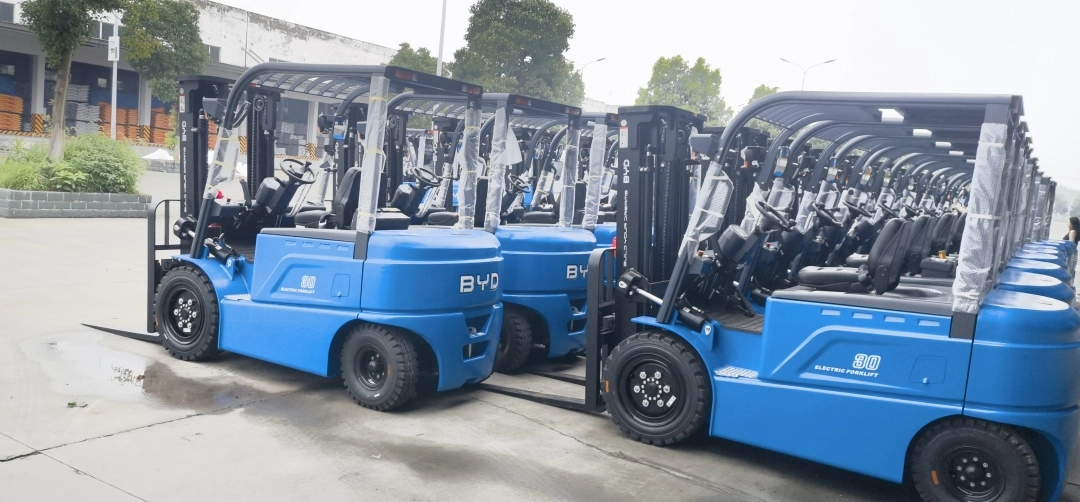
Explosion-proof forklift battery is the core power source for forklift operation, and its state is directly related to the forklift's operating efficiency and operating costs. It is crucial to master the correct maintenance methods and understand the factors affecting life.
Daily maintenance method
Regular cleaning and inspection
In daily use, it is necessary to regularly clean the surface and surrounding areas of the battery to remove dust, electrolyte residues and other impurities to avoid corrosion or short circuit of the battery terminals due to the accumulation of pollutants. At the same time, check whether the battery shell is damaged or leaking, and whether the terminal connection is firm. If any abnormalities are found, they need to be dealt with in time to prevent the failure from expanding.
Rational charging management
When charging, you need to choose a matching charger and follow the established charging parameters to avoid overcharging or undercharging. Overcharging will cause excessive evaporation of the electrolyte inside the battery and accelerate the aging of the plate; undercharging will cause the plate to vulcanize and reduce the battery capacity. The charging environment should be well ventilated to avoid charging in high temperature and confined spaces. Disconnect the power supply in time after charging is completed.
Standardized use operation
When using a forklift, avoid long-term overload operation, and arrange tasks reasonably according to the rated load of the battery to reduce the situation of high current discharge of the battery. At the same time, avoid frequent starts and stops to reduce the impact of instantaneous current on the battery plate. When the battery is about 20% remaining, charge should be arranged in time to avoid excessive discharge damage to the battery.
Key factors affecting the service life
Charging habits
Irregular charging habits are one of the important factors affecting battery life. Frequent overcharging, undercharging, or use of mismatched chargers will disrupt the chemical balance inside the battery, accelerate plate loss, and shorten battery life.
Environmental conditions
The temperature and humidity of the battery environment have a great impact on the lifespan. High temperature environment will accelerate the evaporation rate of the electrolyte, which will increase the corrosion of the plate; low temperature environment will reduce the activity of the battery, resulting in a decrease in the discharge capacity. Long-term use at extreme temperatures will significantly shorten the battery life. In addition, humid and dusty environment can easily cause battery short circuit or terminal corrosion, which will also affect battery performance.
Load and frequency of use
Long-term overload operation will keep the battery in a high-load discharge state, increase the pressure on the plate, and be prone to deformation, vulcanization and other problems. At the same time, too frequent use and insufficient charging recovery time will keep the battery in a fatigue state of cyclic charging and discharging, accelerating the aging process.
maintenance frequency
Lack of regular maintenance or untimely maintenance can lead to small battery problems gradually evolving into major failures, such as failure to treat terminal corrosion in a timely manner, which can affect power transmission, and failure to repair shell damage can lead to electrolyte leakage, which can directly affect the service life of the battery.