
 简体中文
简体中文 Deutsch
 日本語
日本語 한국어
한국어 Tiếng Việt
 Русский
 ไทย
ไทย Bahasa Indonesia
 Bahasa Melayu
 Filipino
 لالعربية
 Français

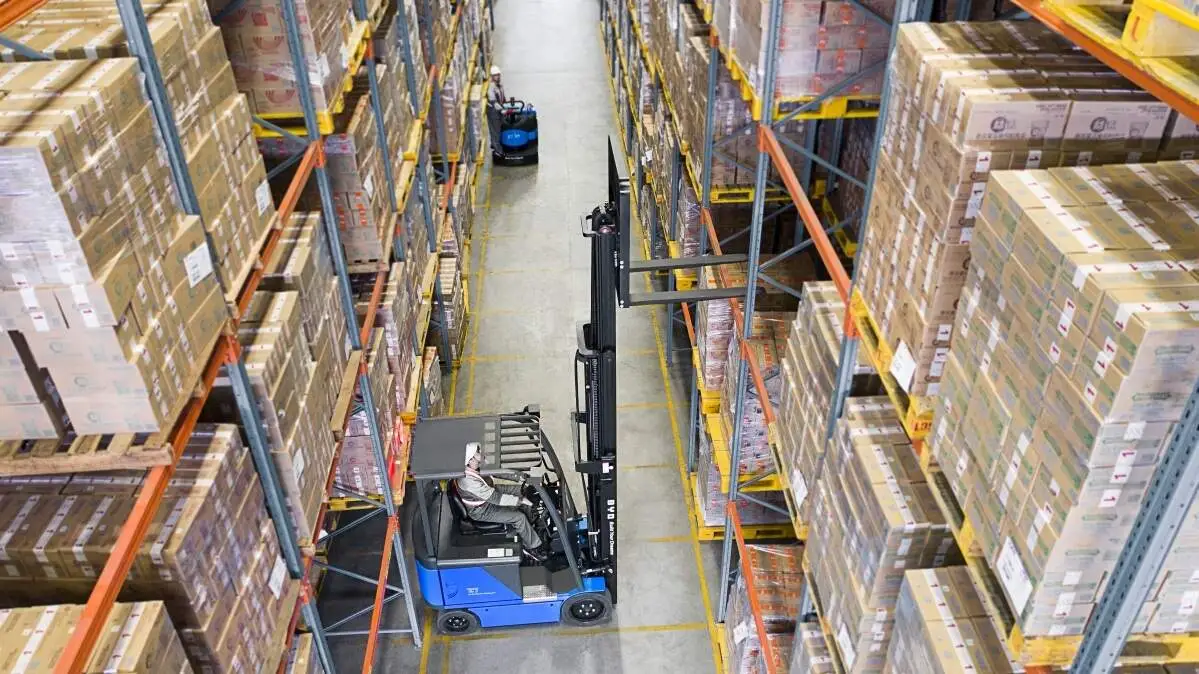
When enterprises configure industrial forklifts, they often face the difficulty of procurement and leasing, and they need to determine the optimal solution based on their own operating conditions.
Key Considerations for Enterprise Selection of Forklift Trucks
Capital and cost dimension
The purchase of forklifts requires the initial purchase cost, regular maintenance fee, insurance premium and later residual value disposal cost. It is suitable for scenarios with an annual use time of more than 2,000 hours, and the long-term cumulative cost is lower. The ownership of forklifts belongs to the enterprise, and the maintenance rhythm can be controlled independently. Leasing forklifts does not require a large initial investment, only needs to pay a phased rent, and can also enjoy basic maintenance services provided by service providers. The cost is more flexible and controllable, but the cumulative cost of long-term leasing may be higher than purchasing.
scene adaptation dimension
Purchasing forklifts is more suitable for fixed operation scenarios and long-term stable production needs. For example, manufacturing enterprises with heavy-duty handling tasks throughout the year can ensure operation efficiency and safety through exclusive forklifts. Leasing forklifts is suitable for short-term projects, seasonal production capacity fluctuations or temporary operation needs. For example, when enterprises undertake large orders and need to temporarily increase capacity, or when site adjustments need to replace models, leasing can quickly meet demand without having to bear the risk of loss of idle equipment.
Implementation proposal of ECB18S forklift procurement and leasing plan
Enterprises can first calculate their annual usage time, capital reserves, and operation plans for the next three years. If the usage time is stable and the funds are sufficient, the procurement plan is preferred. If the usage time fluctuates greatly and the financial pressure is low, short-term leasing is more cost-effective. They can also use a combination of core scenario procurement and temporary scenario leasing, taking into account cost and flexibility, and adapting to the operating needs of enterprises at different stages.


