简体中文
简体中文 Deutsch
 日本語
日本語 한국어
한국어 Tiếng Việt
 Русский
 ไทย
ไทย Bahasa Indonesia
 Bahasa Melayu
 Filipino
 لالعربية
 Français
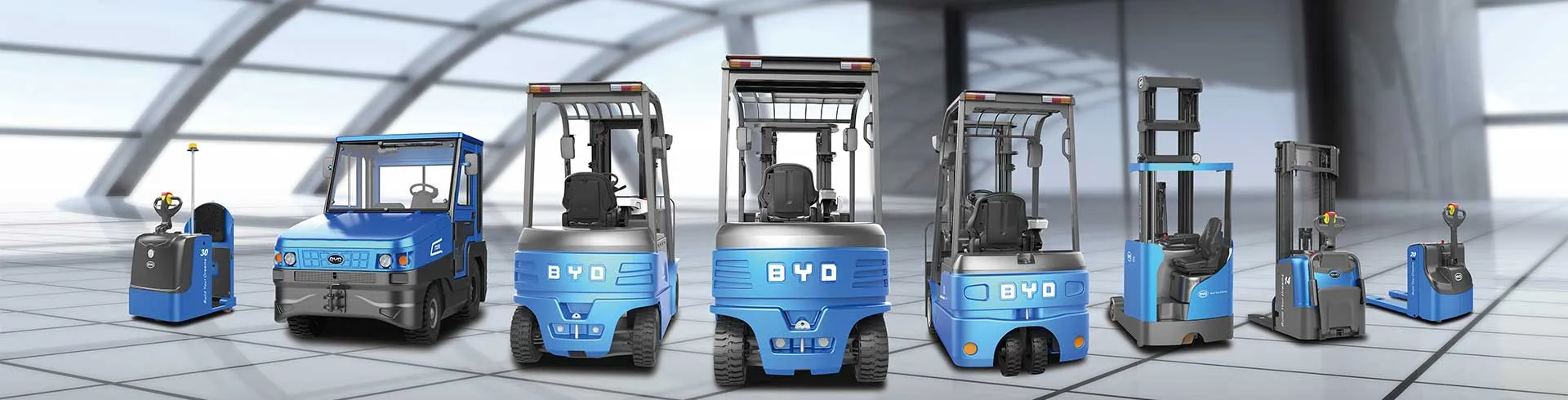
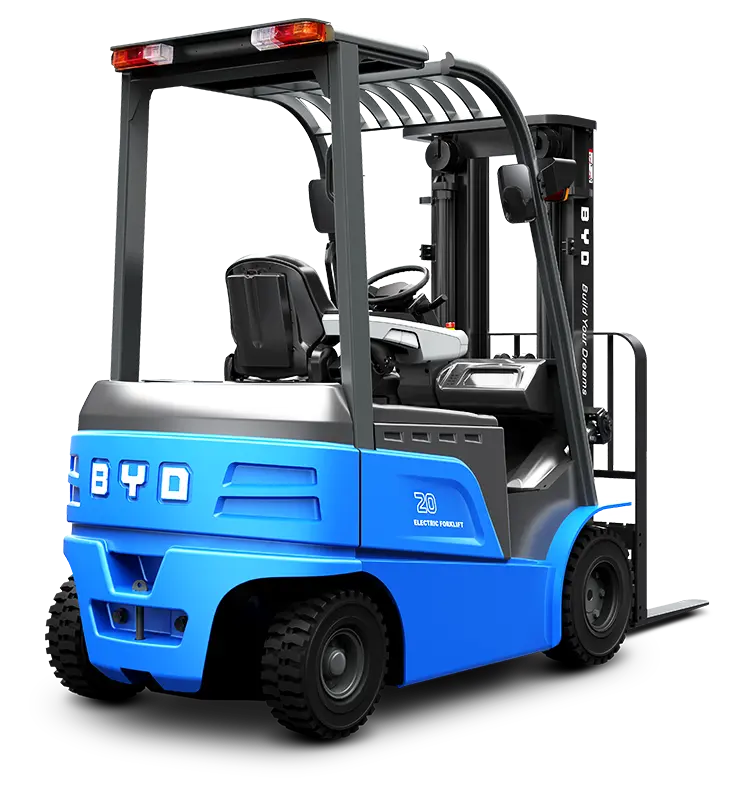
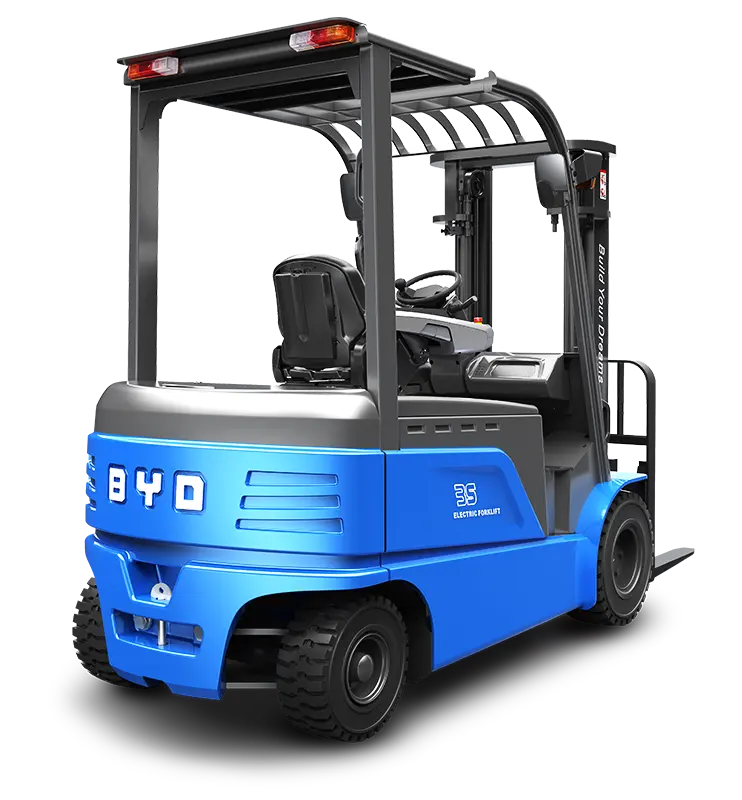
Small electric forklifts have become common equipment in modern warehousing and logistics scenarios due to their flexible, convenient, low-carbon and environmentally friendly characteristics. Although the Mini15 and P15 models of the Blue Ant series have similar load specifications, there are obvious differences in design positioning and functional emphasis. Users can choose the model accurately according to their own operational needs.
The core differences between the two models
performance parameter difference
Both models are rated at 1.5t, but differ in size and range. The Mini15 has a narrower body width and smaller turning radius, making it suitable for working in areas with limited space; it is equipped with a moderate battery capacity to meet the needs of short-term and high-frequency handling. The P15 has a larger battery capacity and longer range, which can support long-term continuous operation, while the power output is more stable, and it performs better when handling light ramps or heavy loads.
Structural design differences
From the perspective of the operating structure, the Mini15 adopts a lightweight operating handle, which makes steering and lifting operations more flexible, suitable for operation scenarios that require frequent steering. The body material is mainly lightweight, and the overall weight is lighter, which is convenient for elevator transfer between floors. The P15 is equipped with a comfortable seat and a wide operating platform to reduce the fatigue of long-term driving. At the same time, the body protection structure is more complete, suitable for use in complex working environments.
Applicable scenario description
Mini15 adaptation scene
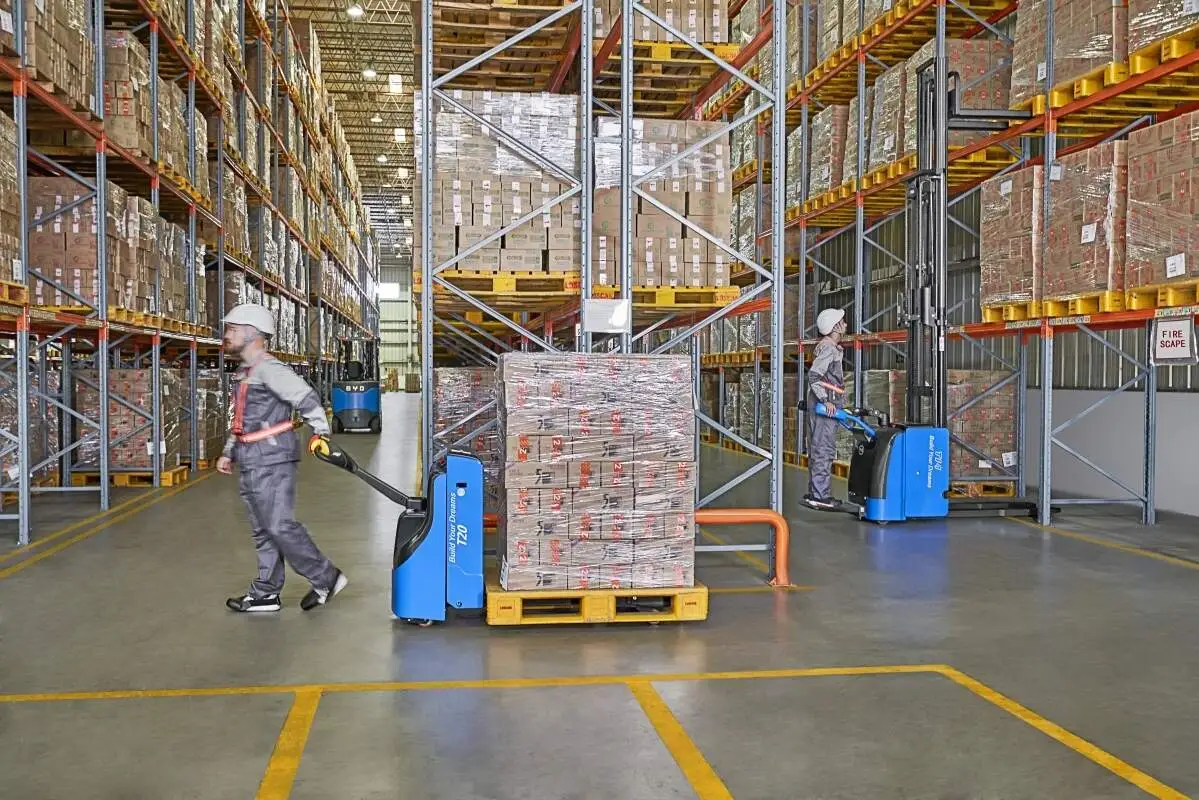
The Mini15's small and flexible nature makes it ideal for places with narrow spaces such as e-commerce warehouses and small supermarkets. In such scenarios, where goods are stored densely and the channel width is limited, the Mini15 can easily shuttle between shelves to complete refined operations such as replenishment and picking. In addition, for internal handling in small processing plants and scenarios that require frequent cross-floor operations, the Mini15's lightweight design can also better adapt to elevator transportation needs.
P15 adaptation scene
The long battery life and stable power of the P15 are more suitable for cross-regional cargo transfer operations in large storage centers. In such scenarios, the operation distance is long and a large number of goods need to be continuously transported. The large-capacity battery of the P15 can reduce the charging frequency and improve the operation efficiency. At the same time, in outdoor short-distance cargo transfer and light ramp operation scenarios, the power performance and protective structure of the P15 can also better adapt to complex environments and ensure the stability of the operation.
Overall, when selecting two models, users need to consider factors such as the size of the operating space, the length of the operation, and the handling distance to ensure that the selected model can match their actual operating needs and improve the efficiency and convenience of logistics handling.