简体中文
简体中文 Deutsch
 日本語
日本語 한국어
한국어 Tiếng Việt
 Русский
 ไทย
ไทย Bahasa Indonesia
 Bahasa Melayu
 Filipino
 لالعربية
 Français
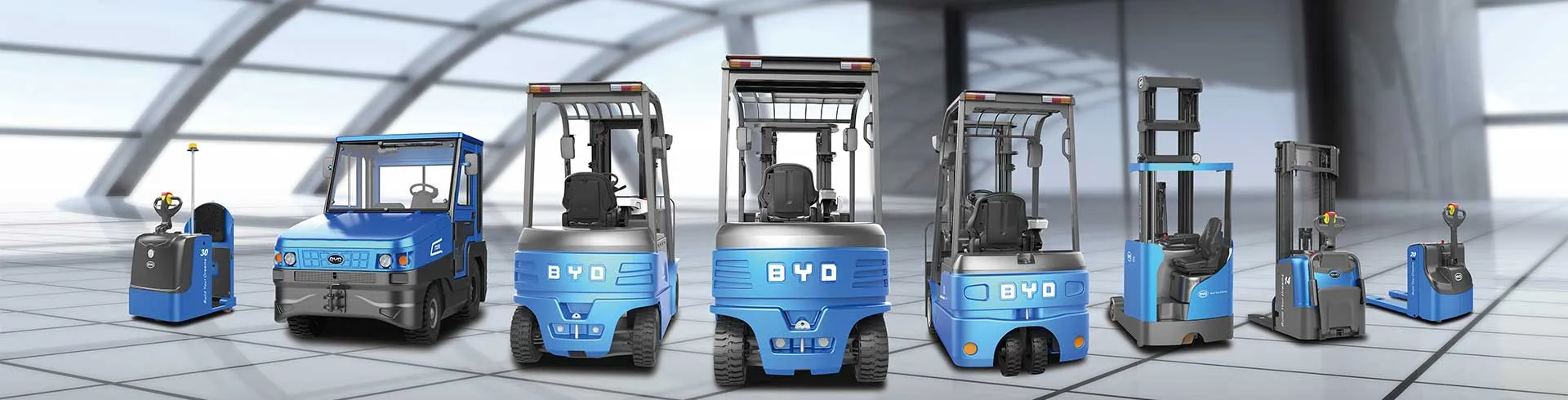
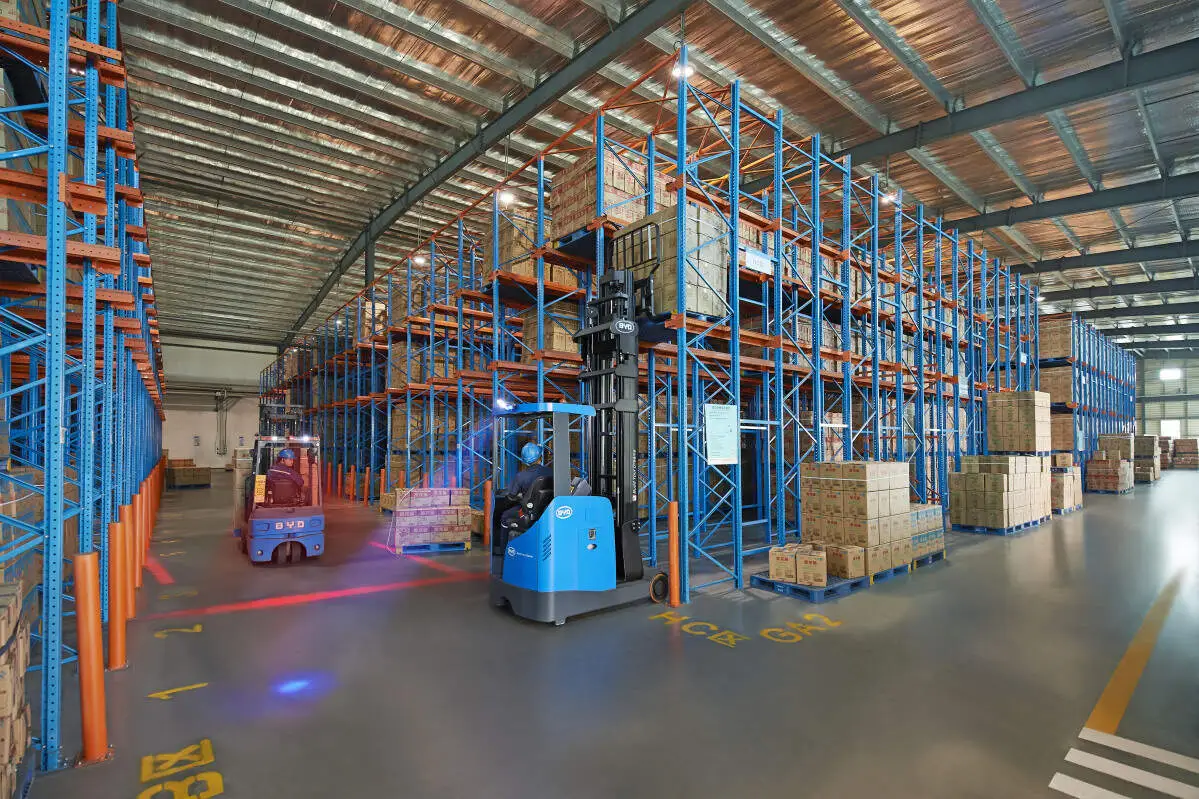
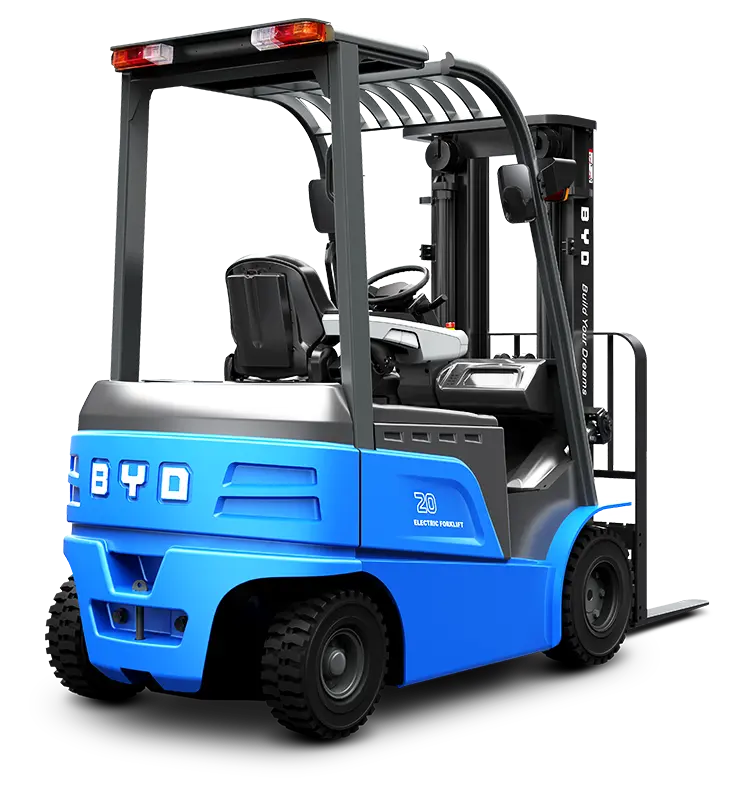
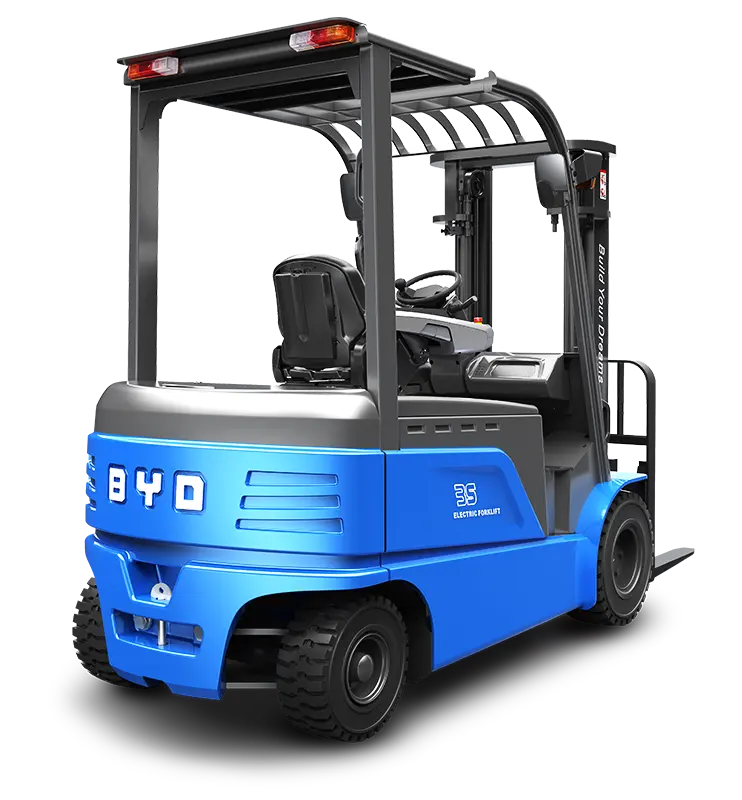
Five-ton lithium forklifts are rented and purchased as an equipment configuration model between rental and purchase. In recent years, they have been gradually applied in scenarios that require heavy on-site or road handling equipment for compliance. It not only relieves the short-term large-scale financial pressure of enterprises, but also allows enterprises to gradually clarify the long-term demand for vehicles in use.
There are several clear basic elements for the purchase of a five-ton lithium battery forklift by lease. The first is the lease period setting, which is usually recommended to be determined by the enterprise in combination with its own production planning and project cycle. The common lease period ranges from 6 months to 3 years. Some flexible plans also support the renewal or early termination of the lease according to the business adjustment intention during the lease period. Secondly, the method of capital payment. Generally, only a small performance deposit needs to be paid in the early stage. The specific amount can be negotiated with the lessor, and the rent can be paid later according to the agreed monthly or quarterly payment. The rent usually covers the basic use cost of the vehicle and some supporting services. Finally, there is the option of disposal after the expiration of the lease period. After the expiration of the lease period, the enterprise can negotiate with the lessor to buy out the ownership of the vehicle at a reasonable price, or directly end the cooperation and return the vehicle without the risk of vehicle depreciation.
For enterprises with short-term demand, such as temporary relocation of factories, e-commerce platforms or seasonal stocking periods of production enterprises, this model can avoid investing a large amount of fixed funds for short-term demand, and does not require subsequent processing of idle equipment. For enterprises with long-term stable demand but planned capital turnover, such as warehousing and logistics enterprises in the start-up stage, medium-sized manufacturing enterprises to adjust production layout or expand production, this model can spread large-scale procurement costs to multiple financial cycles, without occupying the core operating funds of the enterprise, and can also obtain supporting professional service support.
Enterprises need to pay attention to several compliance and risk prevention and control points when choosing a five-ton lithium-ion forklift to rent. First, verify the qualifications of the lessor to ensure that it has a formal business license and vehicle operation related permits. Secondly, read the contract terms carefully to clarify the ownership of the vehicle, the payment node of the rent and the overdue treatment method, the scope of maintenance and repair, the definition of liability for vehicle damage, and the specific conditions for expiration disposal to avoid subsequent disputes. Finally, check the status of the vehicle on the spot or online before cooperation to verify whether the vehicle has legal operating qualifications and whether the battery performance meets its own production and handling needs.