
 简体中文
简体中文 Deutsch
 日本語
日本語 한국어
한국어 Tiếng Việt
 Русский
 ไทย
ไทย Bahasa Indonesia
 Bahasa Melayu
 Filipino
 لالعربية
 Français
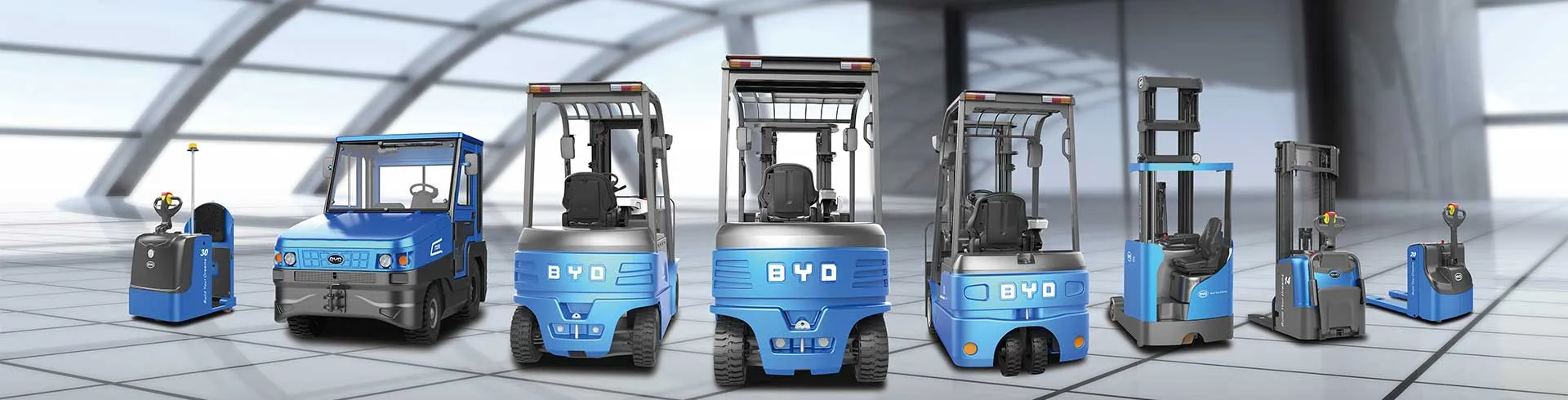
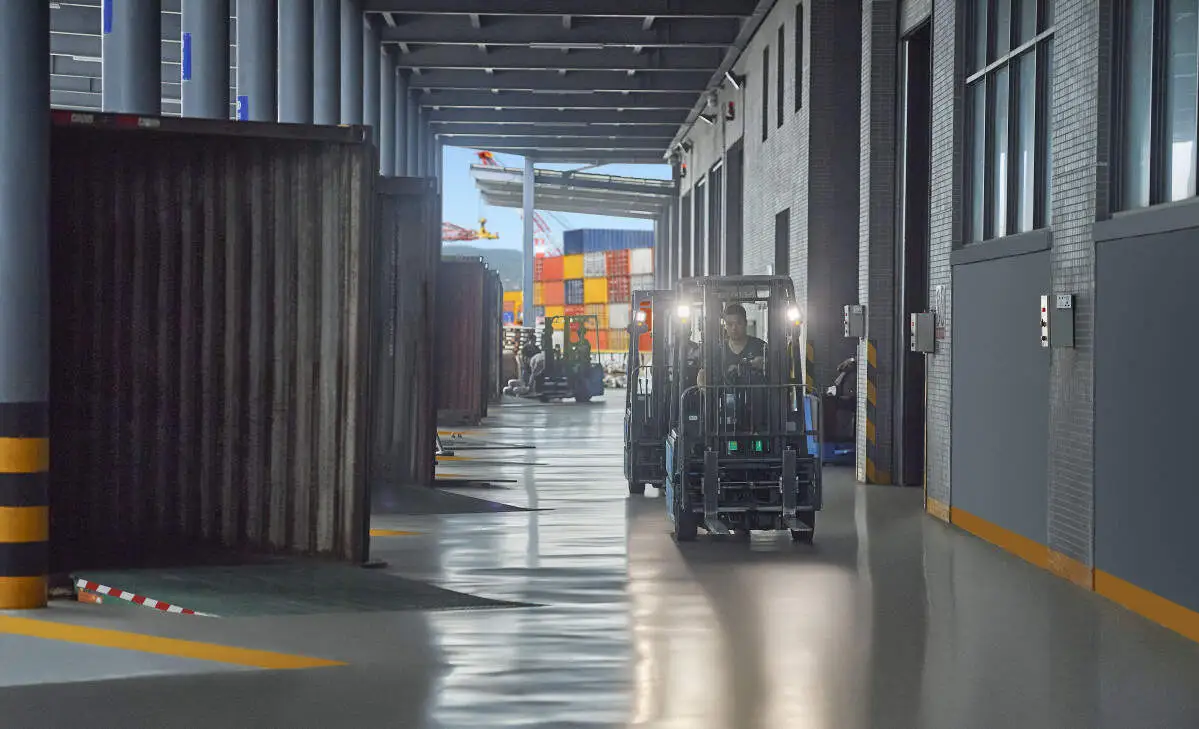
As the demand for new energy replacement in industrial yard handling continues to increase, 4.5-ton lithium-ion forklifts can adapt to the transit handling needs of most production plants and large warehouses with their mature heavy-duty operation capabilities, making them the preferred option for many enterprises to purchase. At present, the mainstream two main models of the same tonnage on the market have their own emphasis on functional configuration, and users can screen and adapt products according to their actual needs.
Condition suitability comparison
The first model is more inclined to general-purpose heavy-duty operations, with a more reasonable design of the turning radius of the body. It can also flexibly complete stacking and short-distance transfer operations in the storage area with limited channel width. The weight distribution of the body is uniform, and the operation stability can be maintained in the face of uneven outdoor hardened pavement. The second model is more inclined to high-intensity continuous operation scenarios, with a wider regulation range for the lifting speed of the gantry. For production plants that require high-frequency handling of heavy goods, it can match the transfer rhythm at the end of the assembly line and cope with long-term uninterrupted operation needs.
Differences in battery life and power configuration
The battery pack capacity of the general positioning model is suitable for the daily average of about 8 hours of conventional operation needs. The standard intelligent power management system can dynamically adjust the energy consumption output according to the operation load, reduce unnecessary power loss, and further extend the battery life in the low-load transfer scenario. The style battery pack suitable for high-intensity operation supports fast charging adaptation, and can complete power replenishment during the operation gap. Even if it catches up with the 12-hour continuous shift operation scenario, it can maintain normal operation through short-term power replenishment, and the stability of power output is more suitable for the operation needs of heavy-duty uphill.
Selection and adaptation suggestions
If ordinary warehouse users have stable operation hours and limited on-site channel space, they can prioritize general-purpose models to cover all their operation needs, and the overall procurement cost is more controllable. If the factory has high-frequency and heavy-duty handling needs, and it is often necessary to arrange two-shift operations, they can give priority to models that are suitable for high-intensity operations. The long-term use of dispatching efficiency is higher, and it can also reduce the situation that downtime affects the production rhythm. When purchasing, users can count their daily average operation hours, site channel width, average weight of goods and other core parameters in advance, and then match the configuration of the two models one by one, and they can choose products that suit their own working conditions.


