简体中文
简体中文 Deutsch
 日本語
日本語 한국어
한국어 Tiếng Việt
 Русский
 ไทย
ไทย Bahasa Indonesia
 Bahasa Melayu
 Filipino
 لالعربية
 Français
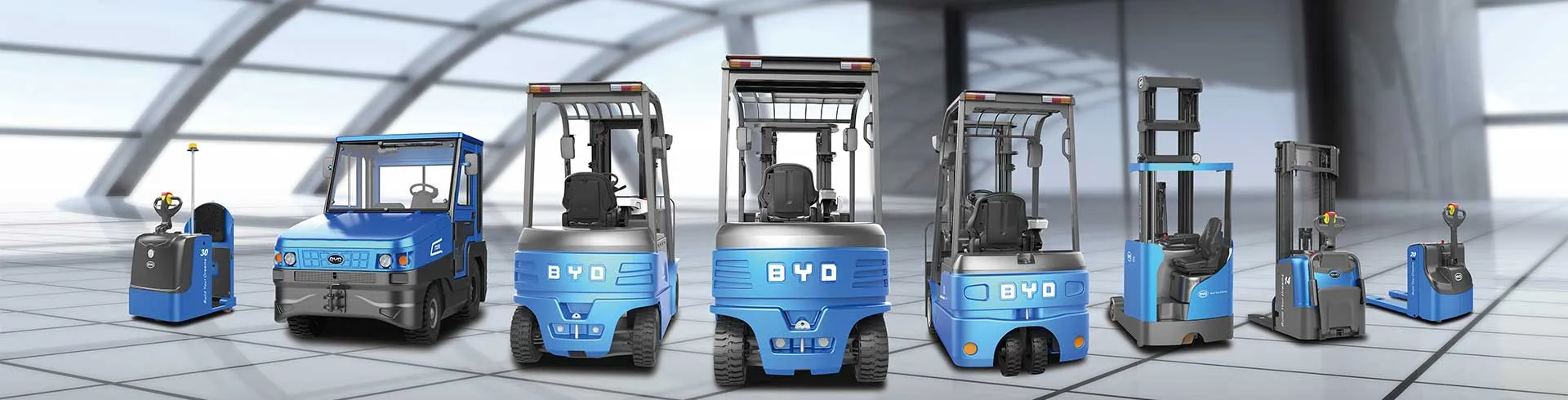
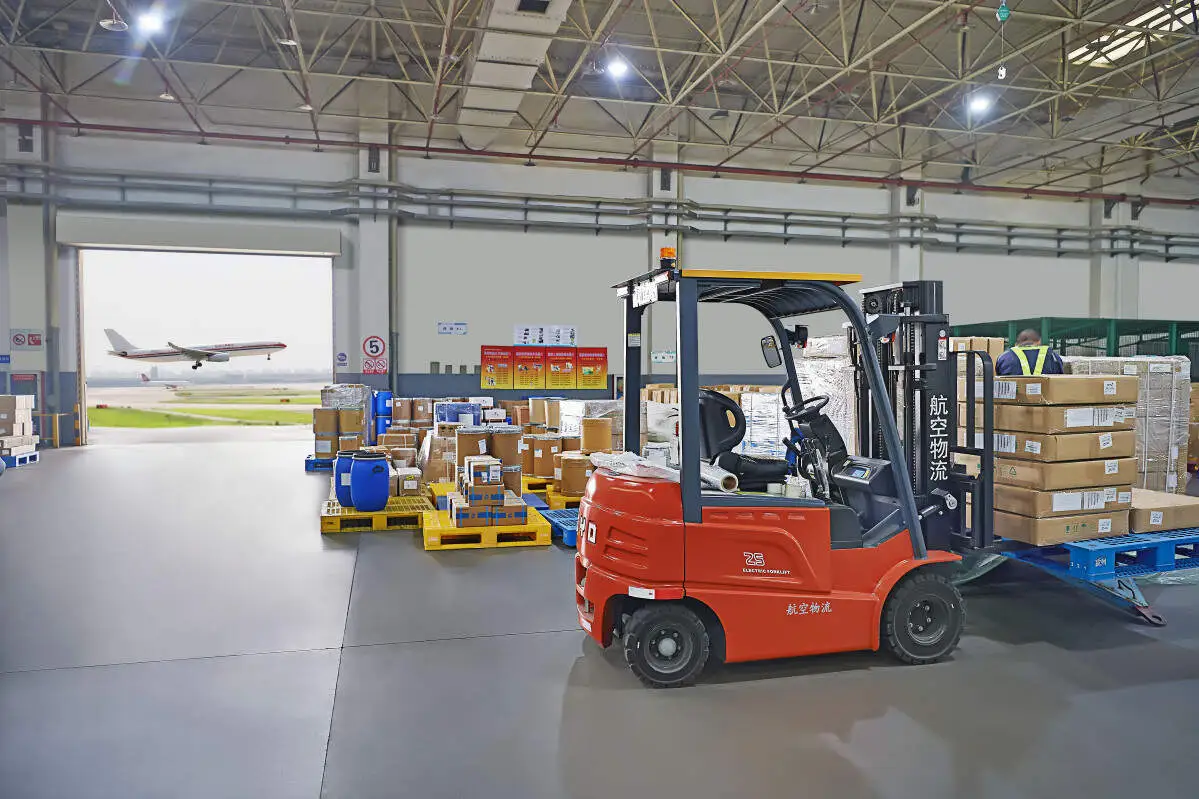
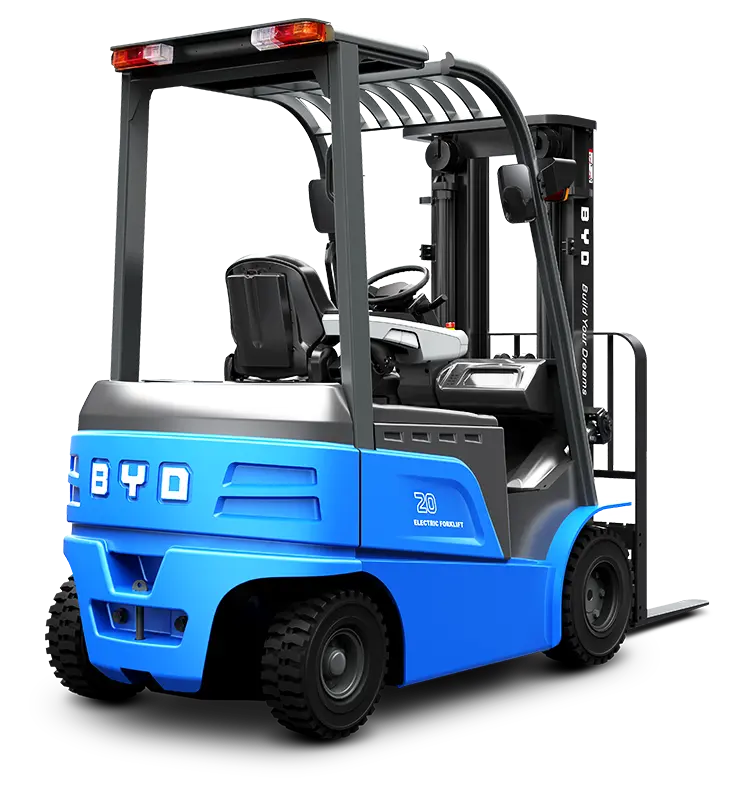
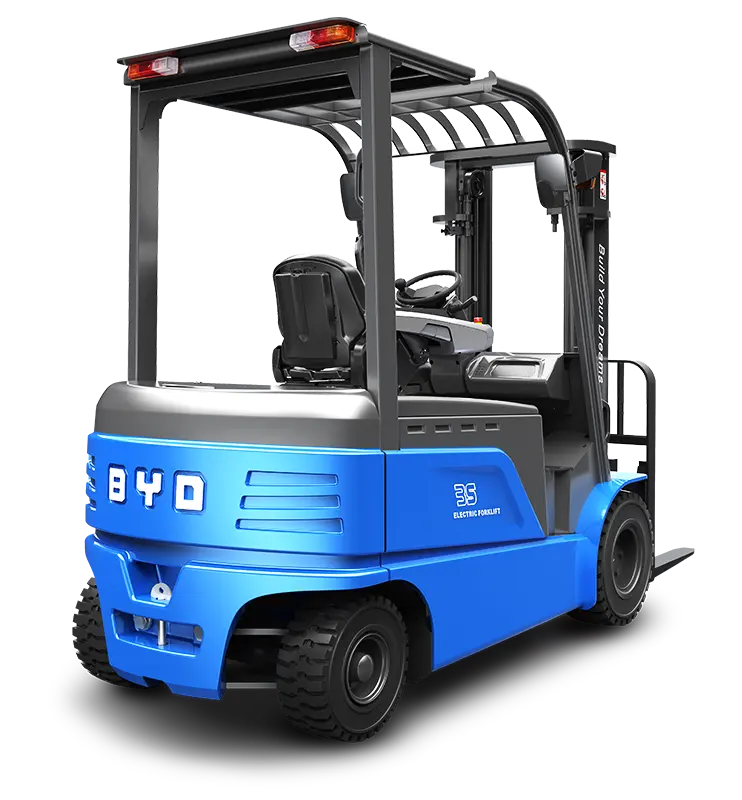
As a practitioner who has been focusing on electric storage and handling equipment for many years, I know that the 2-ton lithium-ion forklift is a core handling tool commonly used in many factories and warehouses. Many people think that the equipment is broken and then repaired. In fact, daily scientific maintenance is the key to reducing the failure rate and prolonging the service life. Next, I will share a few practical 2-ton lithium-ion forklift daily maintenance tips.
Appearance and daily cleaning. After each operation, use a soft-haired broom to sweep the dust and debris in the car body and tire gaps in time to avoid corrosive substances adhering to the paint surface or components. Avoid the battery charging interface and control circuit area when cleaning, and wipe it lightly with a wrung-out soft cloth dipped in neutral detergent. It is strictly forbidden to rinse directly with high-pressure water guns. Reflective signs and warning lights should be kept clear. If there are stains, clean them up in time to ensure the safety and visibility of the operation. If the tire is stuck with stones or nails, take them out in time to prevent abnormal wear or tire blowout.
Battery core maintenance. Daily charging and discharging operation is the core link affecting the life of lithium batteries. It is recommended to start charging when the battery is remaining at 20% to 30% in daily use. Do not charge every time the battery is exhausted, and do not overcharge for a long time. Disconnect the charging power supply in time after it is fully charged. Charging should choose a dry environment with good ventilation and suitable temperature, and keep away from high temperature, humidity or flammable and explosive items. When using the charger, make sure it matches the parameters of the vehicle battery, and do not replace non-compatible charging equipment at will. Check the surface of the battery once a week for any abnormalities such as liquid leakage and bulging. If so, contact a professional in time to deal with it. The charging interface should be kept dry and clean, and dust can be cleaned with a dry brush. If there is any slight oxide, it can be gently wiped with a cotton sheet dipped in a small amount of industrial alcohol. After it is completely dried, it can be connected and used to avoid short circuits.
Daily inspection of key components. Before starting the vehicle every day, press the brake pedal to test the braking sensitivity and check whether the pedal stroke is normal; turn the steering wheel to see if the steering is flexible and smooth, and whether there is a card or abnormal sound. When operating the lifting and tilting movements every day, pay attention to whether there is any abnormal sound or card, and observe whether there is oil leakage in the hydraulic pipeline and joint. After the operation, lower the fork to the lowest position and park it to reduce the pressure on the hydraulic system. Check the fasteners of the fork, chain, frame and other parts once a week for loosening. If so, tighten it in time, but be careful not to tighten it too much to avoid damage to the threads or components.
The above are the practical tips for daily maintenance of a 2-ton lithium-ion forklift. By developing the habit of regular inspection and standardized operation, you can reduce the risk of failure, maintain a stable working condition, and prolong the overall service life.