简体中文
简体中文 Deutsch
 日本語
日本語 한국어
한국어 Tiếng Việt
 Русский
 ไทย
ไทย Bahasa Indonesia
 Bahasa Melayu
 Filipino
 لالعربية
 Français
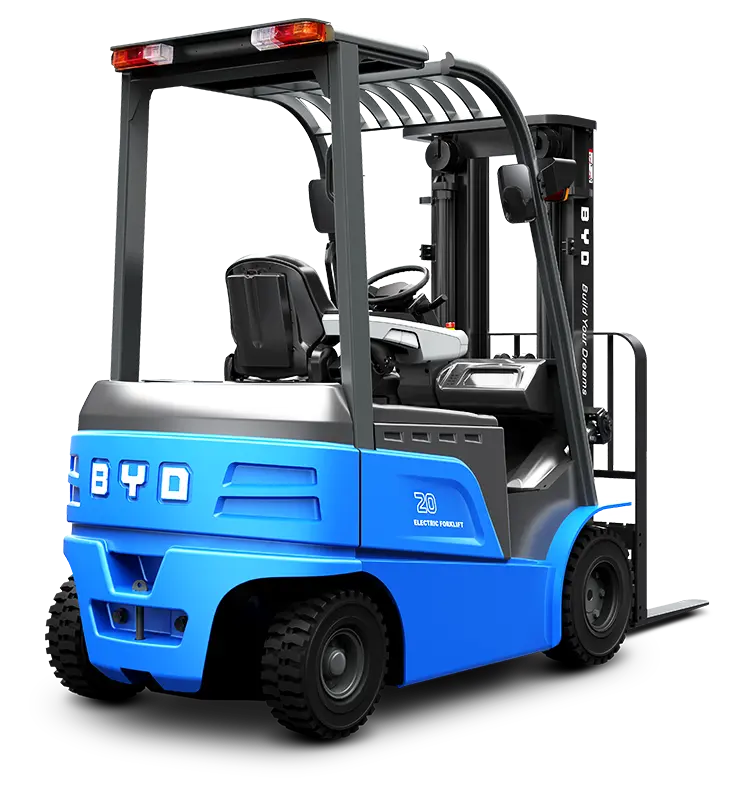
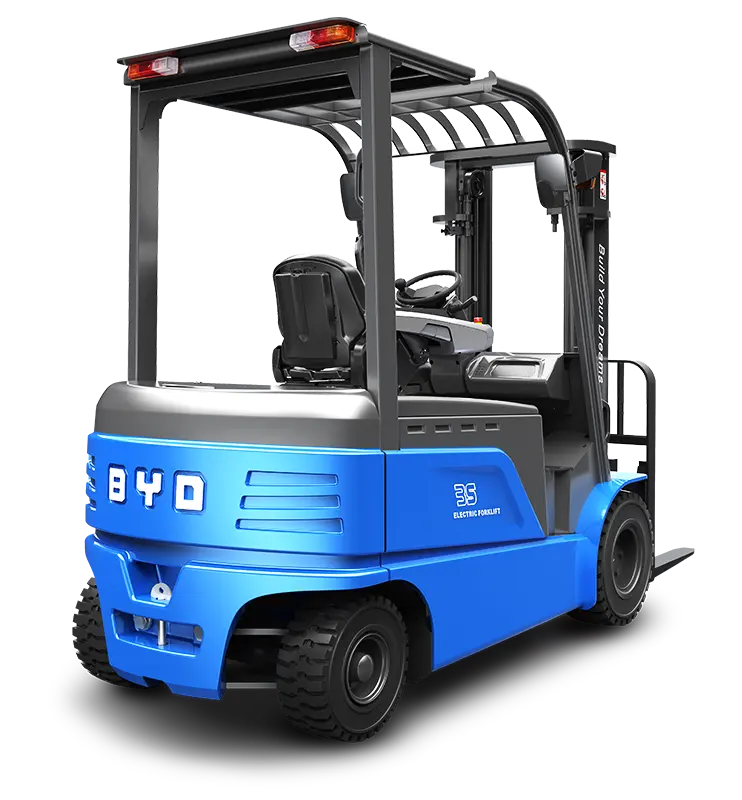
As a common equipment in industrial handling scenarios, 2-ton electric forklifts are powered by batteries. Understanding the relevant knowledge of battery capacity and charging time can help to rationally plan the operation process and reduce the cost of equipment use.
At present, the batteries used in mainstream 2-ton electric forklifts are mainly divided into two categories: lead-acid batteries and lithium-ion batteries. The capacity of lead-acid batteries is usually in ampere hours. The capacity of common 2-ton lead-acid electric forklifts is between 320 ampere hours and 480 ampere hours. Some special customized models may be slightly adjusted, but they will not deviate too much from this common range. The capacity unit of lithium-ion batteries is also ampere hours, but its energy density is higher. In the case of providing the same cruising range, the capacity value will be lower than that of lead-acid batteries. The capacity of common 2-ton lithium-ion electric forklifts is around 180 ampere hours to 300 ampere hours.
After talking about the battery capacity, let's look at the corresponding charging time. The charging time of a lead-acid battery is affected by factors such as capacity, charger power, and remaining power. Generally speaking, using a matching standard charger, it takes 8 to 12 hours to charge from about 20% of the remaining power to 100%, which is often referred to as the night charging mode in the industry. This can avoid interruption of work during the day, and is more suitable for stable operation scenarios with two or three shifts. If emergency replenishment is required, some lead-acid batteries can be charged quickly, but it should be noted that the fast charging power cannot exceed the allowable range of the battery, and frequent fast charging will affect the service life of the lead-acid battery. The charging efficiency of lithium-ion batteries is relatively higher, and it usually only takes 3 to 6 hours to charge from 20% to 100% with standard chargers. Some can even support shorter fast charging and replenishment, which is suitable for scenarios where the pace of operation is more flexible and power needs to be restored quickly.
In addition to capacity and duration, daily charging specifications are also important. Whether it is a lead-acid battery or a lithium-ion battery, it is necessary to avoid excessive discharge and overcharging. Try to start charging when the remaining power is 15% to 30%. Disconnect the power supply in time after charging until the power display is full. When charging, choose a dedicated charging area that is ventilated, dry, and away from flammable and explosive items. Do not charge in a high or low temperature environment, otherwise it will affect the performance and life of the battery.