简体中文
简体中文 Deutsch
 日本語
日本語 한국어
한국어 Tiếng Việt
 Русский
 ไทย
ไทย Bahasa Indonesia
 Bahasa Melayu
 Filipino
 لالعربية
 Français
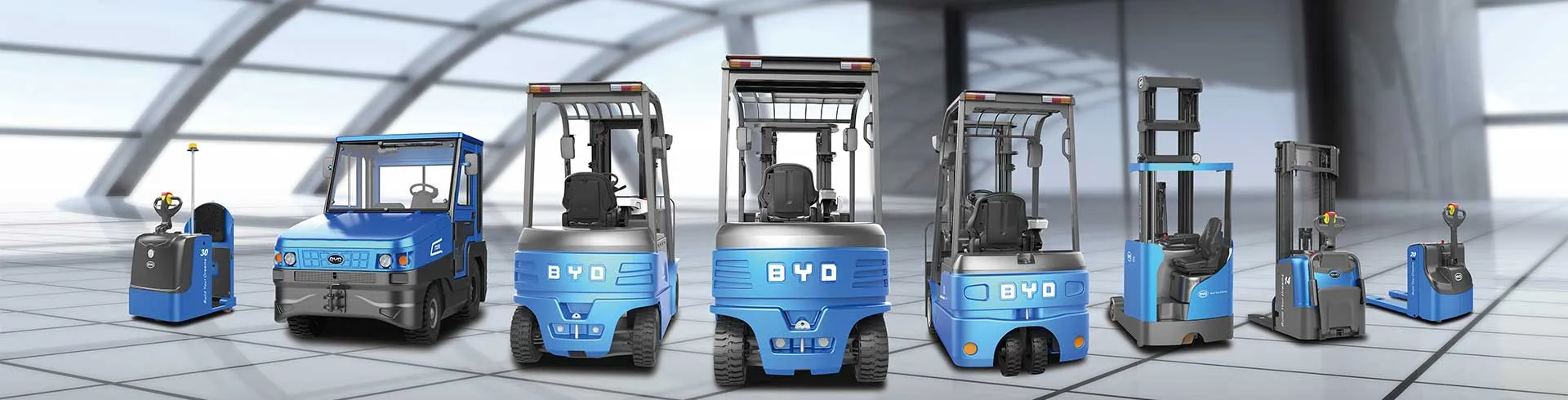
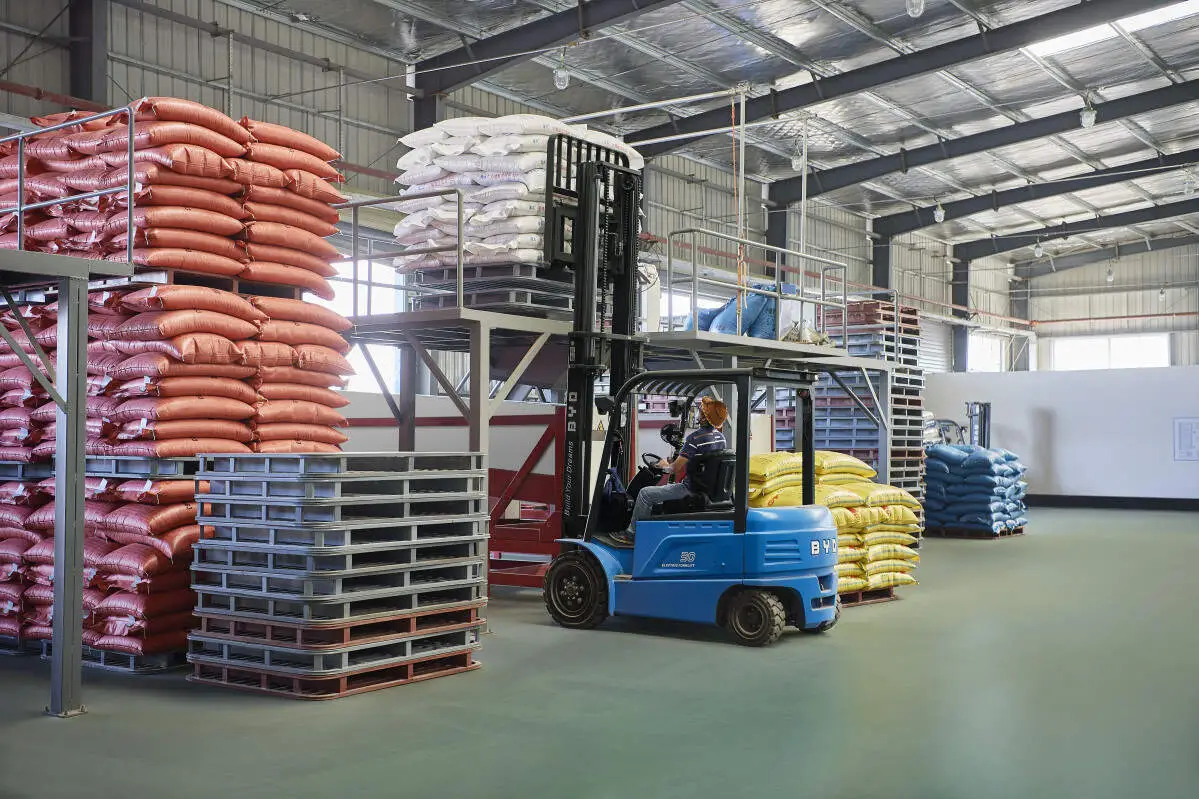
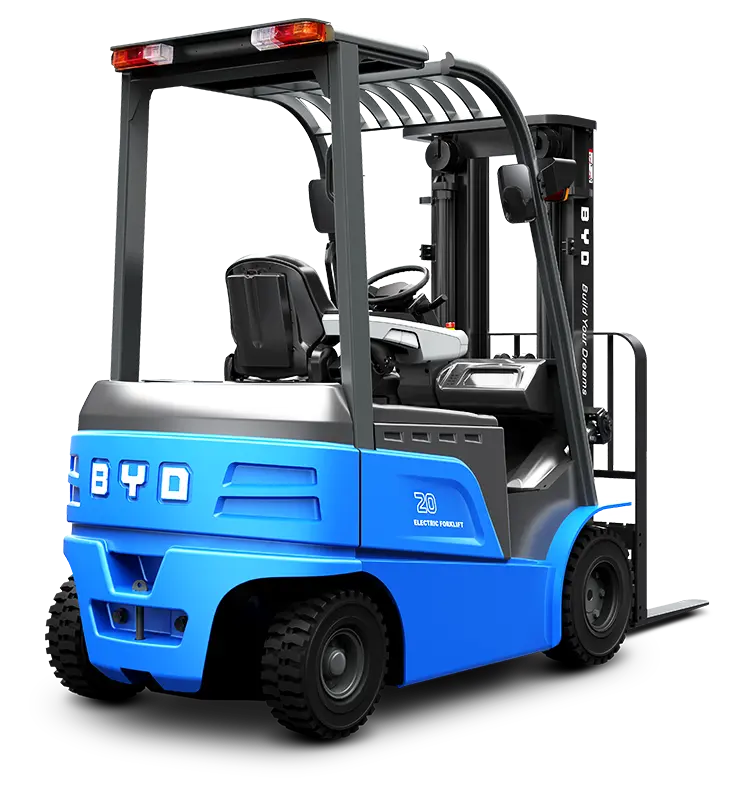
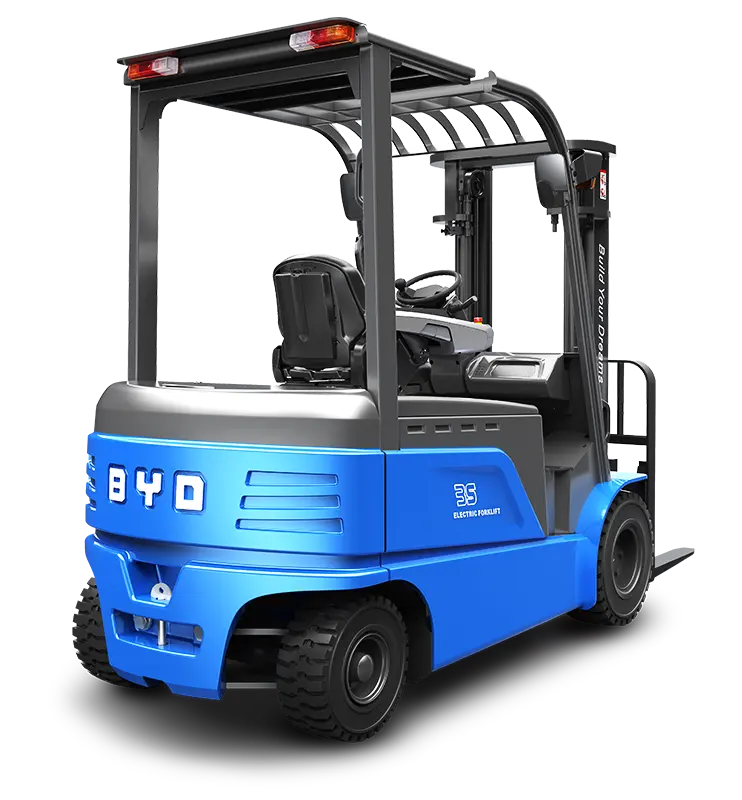
In the daily handling scene of warehousing, logistics and manufacturing, the 2-ton electric pallet truck has become the core equipment for many enterprises to optimize internal logistics due to its environmental protection, low noise, high efficiency and convenience. Faced with two models of the same series, many purchasers often fall into the confusion of selection. This article will disassemble the differences between the two models around the actual operation needs to help you make a choice that suits your own situation.
Clarify the core procurement considerations
Before launching the selection, it is necessary to sort out the dimensions of its own core needs. The first is the spatial conditions of the operation scene, such as the width of the warehouse channel and the existence of special terrain such as ramps; the second is the operation intensity, including the daily running time, the frequency of cargo handling and the requirements of continuous operation; the last is the long-term operating cost, covering the difficulty of equipment maintenance, the convenience of replacing wearing parts, etc. These dimensions will serve as the core reference for the selection.
Analysis of the core features of the two models
Adaptation scenarios and characteristics of P20SII
This model focuses on lightweight conventional operation requirements. The body design is compact and flexible, and the steering radius is small. It can easily shuttle through narrow warehouse passages, and is suitable for small batch cargo turnover scenarios in e-commerce warehouses and small storage environments. Its power system matches the basic operation intensity within 8 hours of daily life, and the battery life can meet the needs of conventional handling. At the same time, the maintenance process is relatively simplified, and the operation threshold is low. It is suitable for the client base that pursues convenience and flexibility.
Adaptation scenarios and features of P20JS
This model is more inclined to high-intensity and heavy-duty operation scenarios. The body structure has been strengthened and the bearing stability is better. It can cope with the handling environment with ramps and the needs of long-term continuous operation. It is suitable for bulk cargo transshipment scenarios in manufacturing raw material warehouses and large logistics centers. Its power system has better battery life and can support longer-term continuous operation. It focuses more on high-intensity use requirements in durability design. It is suitable for client bases with large operation loads and high requirements for equipment stability.
Accurate matching selection ideas
If your operation scenario is dominated by small batch turnover in a narrow space, with moderate daily operation intensity, and more attention to operation convenience and basic maintenance costs, then the P20SII is a more suitable choice. On the contrary, if you are facing high-intensity continuous operation, need to deal with ramps or heavy load handling needs, and value the durability and long-term stability of the equipment, the characteristics of the P20JS can better meet your operation needs. At the same time, you also need to combine your own procurement budget and long-term operation plan to comprehensively weigh the initial procurement cost and post-maintenance cost of the two models to ensure that the selected equipment is in line with the overall operating rhythm of the enterprise.
Through a detailed analysis of the characteristics and applicable scenarios of the two models, and matching with their actual needs, the most suitable 2-ton electric pallet truck can be selected to help enterprises improve handling efficiency and optimize internal logistics operations.