
 简体中文
简体中文 Deutsch
 日本語
日本語 한국어
한국어 Tiếng Việt
 Русский
 ไทย
ไทย Bahasa Indonesia
 Bahasa Melayu
 Filipino
 لالعربية
 Français
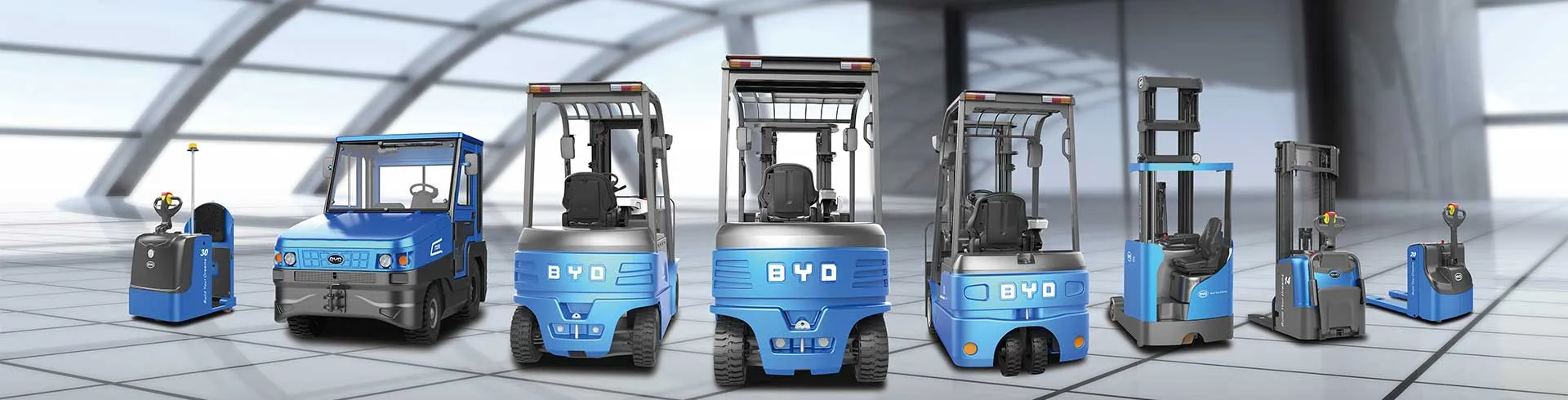
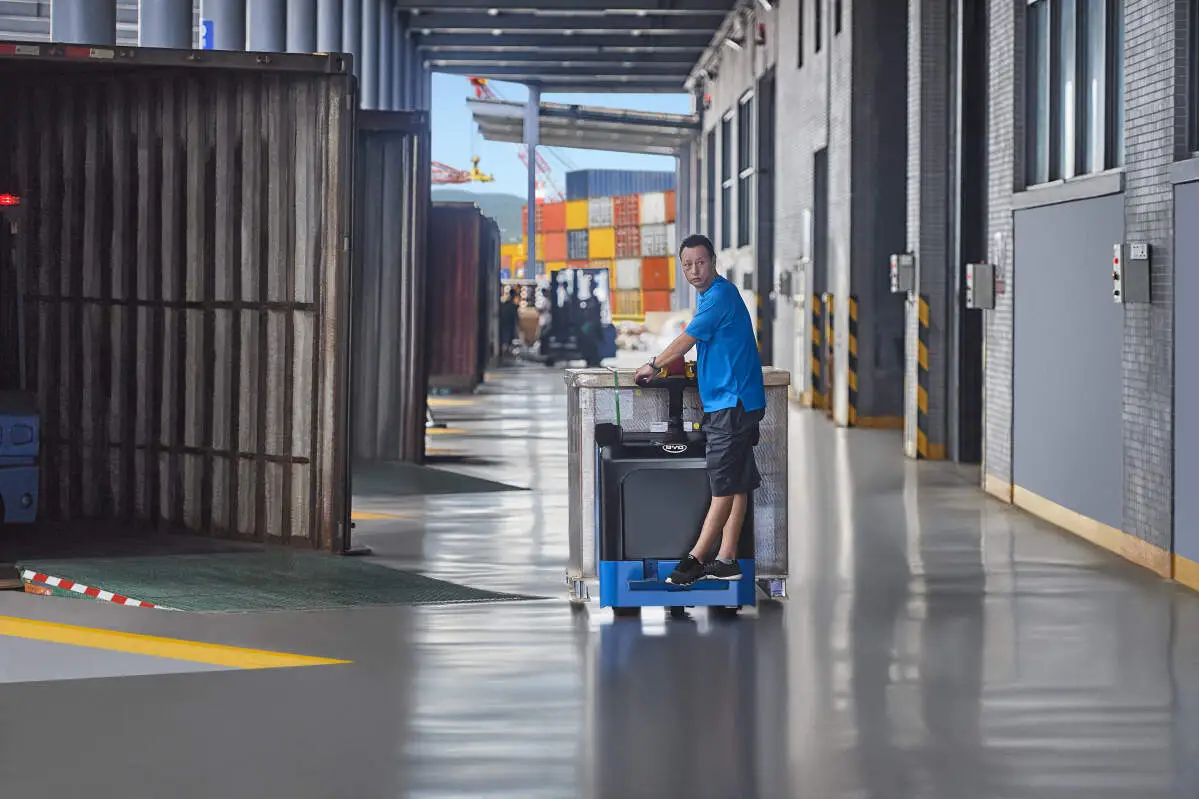
In enterprise warehousing and logistics operations, 1.6-ton electric forklifts are commonly used operating equipment suitable for most scenarios. The CPD16S scheme has become a key reference object for many enterprises when selecting models due to its strong versatility and wide adaptability. Faced with this scheme, many enterprises are torn in choosing whether to lease or purchase, and need to make rational judgments based on their actual operating needs and capital conditions.
comparison of upfront investment costs
The purchase of a 1.6-ton forklift requires a one-time payment of the full equipment cost, which places great pressure on the cash flow of the enterprise. Especially for small and medium-sized enterprises with limited capital reserves, large purchase expenses will occupy the funds of other core operating links such as supply chain maintenance and personnel training, which will affect the overall operating efficiency. However, the leasing model only needs to pay rent according to the agreed cycle, does not need to bear the fixed cost of equipment purchase, and the upfront investment is extremely low, which is suitable for enterprises with short-term working conditions or tight capital.
Later operation and maintenance comparison
After the purchase of forklifts, daily maintenance, fault repair and other work are the full responsibility of the enterprise, including direct costs such as parts procurement and maintenance hours. The hidden losses caused by equipment aging and efficiency decline also need to be borne by themselves, and the long-term management cost is higher. Leasing models usually include basic maintenance and maintenance services, and some professional leasing solutions also provide exclusive fault repair support. Enterprises do not need to bear additional maintenance costs, which can greatly reduce management energy and hidden expenses.
Flexibility adaptation comparison
The ownership of the purchased forklift belongs to the enterprise and can be fixed for long-term service in core business scenarios. However, if the enterprise's business volume fluctuates seasonally or temporary orders increase, idle equipment will cause waste of resources, and temporary new equipment will increase additional costs. The leasing model supports on-demand selection of lease period, equipment quantity and model, and can flexibly adjust the operation configuration according to the business scale. For enterprises with large business fluctuations or temporary needs, the operation scale can be accurately matched to avoid idle resources or excessive investment.
In summary, enterprises need to consider their own cash flow, business stability, long-term working conditions planning and other core factors when selecting, compare the advantages and disadvantages of the two models, and match the appropriate implementation method for the CPD16S solution to achieve a balance between equipment efficiency and operating costs.


