2026-06-13

Ist es kostengünstig, Blei-Säure-Gabelstapler durch Lithiumbatterien zu ersetzen? Kosten, Nutzen und Vorsichtsmaßnahmen für Änderungen

Mit der breiten Anwendung von Elektrostaplern in der Lagerhaltung, Logistik und anderen Bereichen standen die Leistung und die Kosten von Batterien als zentrale Energiequelle schon immer im Mittelpunkt der Aufmerksamkeit der Nutzer. Einige Benutzer erwägen, Blei-Säure-Batterie-Gabelstapler in Lithium-Batterie-Systeme umzuwandeln, um die Effizienz zu verbessern oder die Lebensdauer der Ausrüstung zu verlängern. Aber ist es wirklich kosteneffizient, Blei-Säure in Lithium-Batterien umzuwandeln? In diesem Artikel werden die Kosten für die Umstellung, die langfristigen Vorteile und die Vorsichtsmaßnahmen analysiert, um eine Referenz für die Entscheidungsfindung zu schaffen.

Die Kosten für den Umbau eines Blei-Säure-Gabelstaplers in eine Lithiumbatterie umfassen im Wesentlichen drei Teile: die Kosten für den Kauf der Batterie, die Kosten für die Installation und Anpassung sowie die Kosten für die Entsorgung der alten Batterie. Erstens sind die Anschaffungskosten eines Lithiumbatteriepacks in der Regel höher als die einer Blei-Säure-Batterie. Preislich gesehen ist der Preis einer einzelnen Blei-Säure-Batterie niedriger, aber der Gesamtpreis einer Lithiumbatterie kann aufgrund ihrer hohen Energiedichte und geringen Größe 2-3 mal so hoch sein wie der von Blei-Säure. Zweitens muss bei der Installation geprüft werden, ob das ursprüngliche Schaltungssystem des Gabelstaplers für die Installation geeignet ist. Bei einigen alten Gabelstaplern muss möglicherweise das Kabel ausgetauscht, das Ladegerät aufgeladen oder die Parameter des Reglers angepasst werden. Dieser Teil der Arbeitskosten reicht von einigen hundert Yuan bis zu tausend Yuan. Wenn die alte Blei-Säure-Batterie recycelt werden kann, kann außerdem ein Teil der Kosten abgezogen werden. Der spezifische Verwertungspreis variiert je nach Region und

Aus der Perspektive der langfristigen Nutzung spiegeln sich die Vorteile der Modifikation von Lithiumbatterien in der Reduzierung der Gesamtkosten und der Verbesserung der Nutzungserfahrung wider. Erstens, Verbesserung der Batterielebensdauer: Lithiumbatterien haben eine hohe Energiedichte, und die Reichweite ist in der Regel 30-50% länger als die von Blei-Säure-Batterien bei gleichem Gewicht, was die Anzahl der mittleren Ladungen reduzieren kann, besonders geeignet für Betriebsszenarien mit mehreren Schichten. Zweitens werden die Wartungskosten reduziert: Blei-Säure-Batterien müssen regelmäßig den Elektrolyten überprüfen und destilliertes Wasser nachfüllen, und die Zykluslebensdauer ist kurz (etwa 500 Mal Laden und Entladen). Die Zykluslebensdauer von Lithiumbatterien kann mehr als 1.500 Mal erreichen, und es ist keine Wartung erforderlich, was die Arbeits- und Zeitkosten reduziert. Darüber hinaus ist die Ladeeffizienz höher, und einige Lithiumbatterien können schnelles Laden unterstützen, Ausfallzeiten verkürzen und indirekt die Betriebseffizienz verbessern. Wenn die durchschnittliche jährliche Nutzungsdauer von Gabelstaplern 2.000 Stunden übersteigt, könnte sich langfristig der Kostenvorteil von Lithiumbatterien herauskristallisieren.

Vor der Änderung ist es notwendig, die tatsächlichen Bedürfnisse umfassend zu bewerten: Erstens, die Anpassungsfähigkeit des Nutzungsszenarios. Wenn der Gabelstapler für Kurzstrecken- und Niederfrequenzoperationen verwendet wird, kann die Blei-Säure-Batterie möglicherweise immer noch die Nachfrage befriedigen, und die Änderungseinnahmen sind begrenzt. Wenn es für Hochfrequenz- und Langstreckenoperationen verwendet wird, sind die Vorteile der Lithiumbatterie offensichtlicher. Zweitens, Systemkompatibilität. Vor der Änderung muss überprüft werden, ob die Gabelstaplersteuerung und das Ladegerät die Eigenschaften der Lithiumbatterie unterstützen, um Batterieschäden oder Geräteausfälle aufgrund von Fehlanpassungen zu vermeiden. Drittens, Sicherheitsspezifikationen. Die Lithiumbatterie muss die Anforderungen der Speicher- und Ladeumgebung erfüllen. Sie muss während der Installation von Fachleuten betrieben werden, um Kurzschlüsse oder Überladungen zu vermeiden. Viertens, Kundendienst. Wählen Sie eine Batterie mit perfekter Qualitätssicherung, um die Wartung und den Austausch während des Gebrauchs zu gewährleisten.

Insgesamt muss die Frage, ob es kosteneffizient ist, Lithiumbatterien durch Blei-Säure-Gabelstapler zu ersetzen, in Kombination mit Faktoren wie Nutzungsdauer, Betriebsintensität, Budgetsituation usw. umfassend beurteilt werden. Wenn der Nutzungszyklus lang ist, Hochfrequenzbetrieb und die anfänglichen Änderungskosten getragen werden können, können die langfristigen Vorteile bedeutender sein; wenn die kurzfristige Nutzung oder das Betriebsvolumen gering ist, sind Blei-Säure-Batterien immer noch die kostengünstige Wahl. Es wird empfohlen, dass die Benutzer die Kosten und den Nutzen vor der Änderung im Detail berechnen und professionelles und technisches Personal konsultieren, um die Sicherheitskonformität des Änderungsprozesses zu gewährleisten.
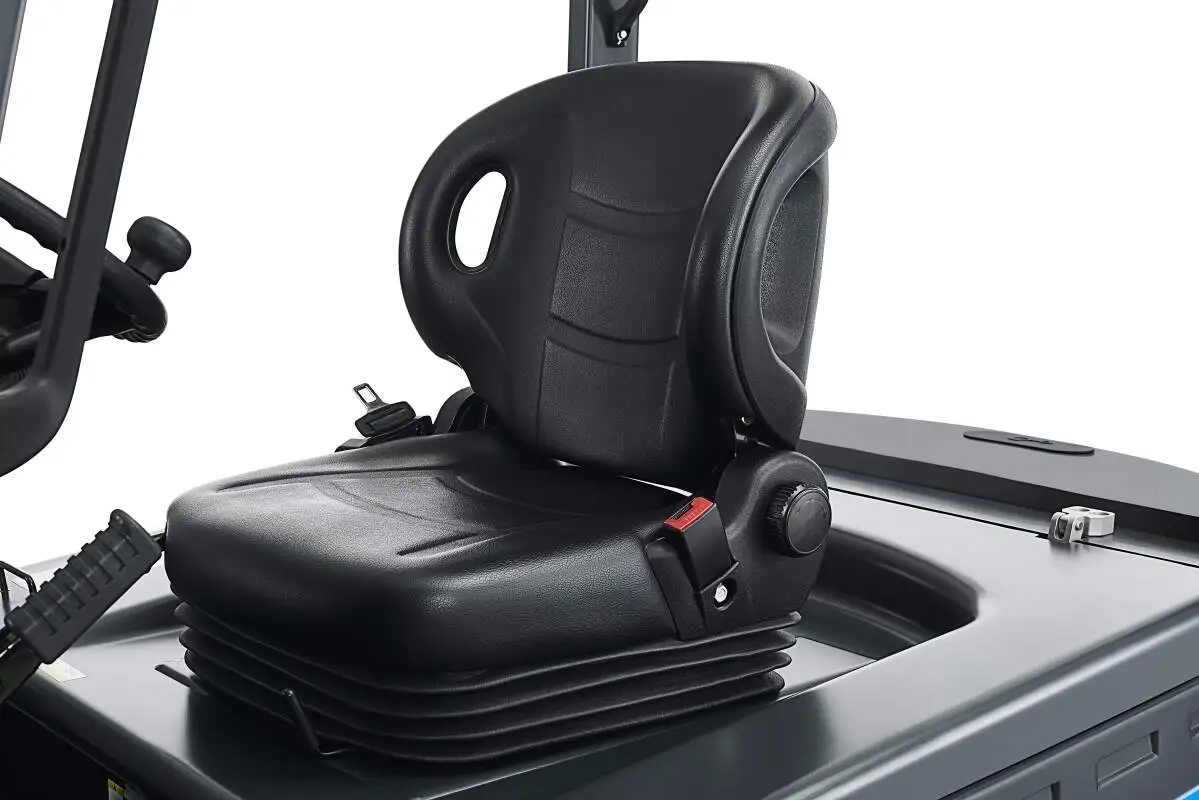
Ist es kostengünstig, Blei-Säure-Gabelstapler durch Lithiumbatterien zu ersetzen? Kosten, Nutzen und Vorsichtsmaßnahmen für Änderungen(Figur1)

Whatsapp

Skype

VK

Verhandeln.

We use cookie to improve your online experience. By continuing to browse this website, you agree to our use of cookie.

Cookies

Please read our Terms and Conditions and this Policy before accessing or using our Services. If you cannot agree with this Policy or the Terms and Conditions, please do not access or use our Services. If you are located in a jurisdiction outside the European Economic Area, by using our Services, you accept the Terms and Conditions and accept our privacy practices described in this Policy.
We may modify this Policy at any time, without prior notice, and changes may apply to any Personal Information we already hold about you, as well as any new Personal Information collected after the Policy is modified. If we make changes, we will notify you by revising the date at the top of this Policy. We will provide you with advanced notice if we make any material changes to how we collect, use or disclose your Personal Information that impact your rights under this Policy. If you are located in a jurisdiction other than the European Economic Area, the United Kingdom or Switzerland (collectively “European Countries”), your continued access or use of our Services after receiving the notice of changes, constitutes your acknowledgement that you accept the updated Policy. In addition, we may provide you with real time disclosures or additional information about the Personal Information handling practices of specific parts of our Services. Such notices may supplement this Policy or provide you with additional choices about how we process your Personal Information.


Cookies

Cookies are small text files stored on your device when you access most Websites on the internet or open certain emails. Among other things, Cookies allow a Website to recognize your device and remember if you've been to the Website before. Examples of information collected by Cookies include your browser type and the address of the Website from which you arrived at our Website as well as IP address and clickstream behavior (that is the pages you view and the links you click).We use the term cookie to refer to Cookies and technologies that perform a similar function to Cookies (e.g., tags, pixels, web beacons, etc.). Cookies can be read by the originating Website on each subsequent visit and by any other Website that recognizes the cookie. The Website uses Cookies in order to make the Website easier to use, to support a better user experience, including the provision of information and functionality to you, as well as to provide us with information about how the Website is used so that we can make sure it is as up to date, relevant, and error free as we can. Cookies on the Website We use Cookies to personalize your experience when you visit the Site, uniquely identify your computer for security purposes, and enable us and our third-party service providers to serve ads on our behalf across the internet.

We classify Cookies in the following categories:
 ●  Strictly Necessary Cookies
 ●  Performance Cookies
 ●  Functional Cookies
 ●  Targeting Cookies


Cookie List
A cookie is a small piece of data (text file) that a website – when visited by a user – asks your browser to store on your device in order to remember information about you, such as your language preference or login information. Those cookies are set by us and called first-party cookies. We also use third-party cookies – which are cookies from a domain different than the domain of the website you are visiting – for our advertising and marketing efforts. More specifically, we use cookies and other tracking technologies for the following purposes:

Strictly Necessary Cookies
These cookies are necessary for the website to function and cannot be switched off in our systems. They are usually only set in response to actions made by you which amount to a request for services, such as setting your privacy preferences, logging in or filling in forms. You can set your browser to block or alert you about these cookies, but some parts of the site will not then work. These cookies do not store any personally identifiable information.

Functional Cookies
These cookies enable the website to provide enhanced functionality and personalisation. They may be set by us or by third party providers whose services we have added to our pages. If you do not allow these cookies then some or all of these services may not function properly.

Performance Cookies
These cookies allow us to count visits and traffic sources so we can measure and improve the performance of our site. They help us to know which pages are the most and least popular and see how visitors move around the site. All information these cookies collect is aggregated and therefore anonymous. If you do not allow these cookies we will not know when you have visited our site, and will not be able to monitor its performance.

Targeting Cookies
These cookies may be set through our site by our advertising partners. They may be used by those companies to build a profile of your interests and show you relevant adverts on other sites. They do not store directly personal information, but are based on uniquely identifying your browser and internet device. If you do not allow these cookies, you will experience less targeted advertising.

How To Turn Off Cookies
You can choose to restrict or block Cookies through your browser settings at any time. Please note that certain Cookies may be set as soon as you visit the Website, but you can remove them using your browser settings. However, please be aware that restricting or blocking Cookies set on the Website may impact the functionality or performance of the Website or prevent you from using certain services provided through the Website. It will also affect our ability to update the Website to cater for user preferences and improve performance. Cookies within Mobile Applications

We only use Strictly Necessary Cookies on our mobile applications. These Cookies are critical to the functionality of our applications, so if you block or delete these Cookies you may not be able to use the application. These Cookies are not shared with any other application on your mobile device. We never use the Cookies from the mobile application to store personal information about you.

If you have questions or concerns regarding any information in this Privacy Policy, please contact us by email at . You can also contact us via our customer service at our Site.


WhatsApp avatar

Click to Chat.

Im online now.

Hey, my name is Tim. The CPO of JXD, how can I assist you today?

WhatsApp Us

WhatsApp us