简体中文
简体中文 English
 日本語
日本語 한국어
한국어 Tiếng Việt
 Русский
 ไทย
ไทย Bahasa Indonesia
 Bahasa Melayu
 Filipino
 لالعربية
 Français
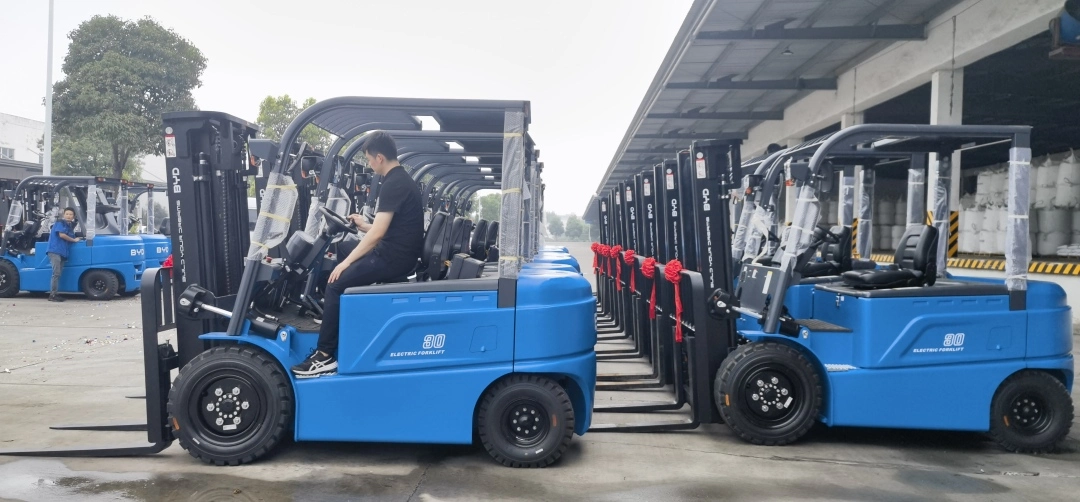
Als zentraler Knotenpunkt für die Lagerung, Sortierung und den Umschlag von Gütern und der Gabelstapler als wichtigste Betriebsmittel wirken sich die Beschaffungsqualität und die Konfiguration des Logistikparks direkt auf die Betriebseffizienz und die Kostenkontrolle des Parks aus. Im Zusammenhang mit der Elektrifizierung haben Lithium-Ionen-Gabelstapler mit den Vorteilen des Umweltschutzes, der Geräuscharmut und der bequemen Wartung nach und nach die traditionellen Kraftstoffstapler ersetzt und sind zur wichtigsten Wahl bei der Beschaffung von Logistikparks geworden. Die Massenbeschaffung ist ein wichtiges Mittel, um eine Skaleneffizienz zu erreichen und die Ressourcenzuweisung in Logistikparks zu optimieren, wobei Multi-Modell-Matching und Kostenoptimierung die Kernziele der Planung sind. In diesem Beitrag wird der wissenschaftliche Weg der Massenbeschaffung von Lithium-Elektro-Gabelstaplern in Logistikparks systematisch anhand von vier Dimensionen erläutert: Bedarfspositionierung, Modellstrategie-Matching, Kostenmanagement und Umsetzungsvorschläge.
Die genaue Positionierung der Beschaffungsanforderungen ist die Grundlage für die Massenbeschaffung, und es ist notwendig, von den Betriebsszenarien des Logistikparks auszugehen. Die Betriebsszenarien des Logistikparks sind vielfältig, und die Leistungsanforderungen an Gabelstapler in verschiedenen Funktionsbereichen variieren erheblich. So muss sich der Lagerbereich beispielsweise mit der Lagerung auf hohem Regal und dem Umschlag auf kurze Distanzen befassen, der Be- und Entladebereich konzentriert sich auf das Andocken von Gütern über große Distanzen und große Tonnagen, und der Sortierbereich erfordert eine feine Kommissionierung und flexible Steuerung. Vor dem Kauf müssen die wichtigsten Bedarfsparameter für jeden Bereich durch historische Betriebsdatenstatistiken (z. B. tägliches durchschnittliches Betriebsvolumen in jedem Bereich, Frachtgewichtsverteilung, Kanalbreite) und Standortplanungskartenanalysen, einschließlich Gabelstaplertonnage, Gabellänge, Betriebshöhe und Ausdauer, geklärt werden. Der Lagerbereich mit hohem Regal eignet sich beispielsweise für die Auswahl eines Gabelstaplers, dessen Türrahmen nach vorne verschoben werden kann, um den Wenderadius zu verringern; der Be- und Entladebereich erfordert einen ausbalancierten Gabelstapler, um den Anforderungen an die Handhabung über große Entfernungen gerecht zu werden.
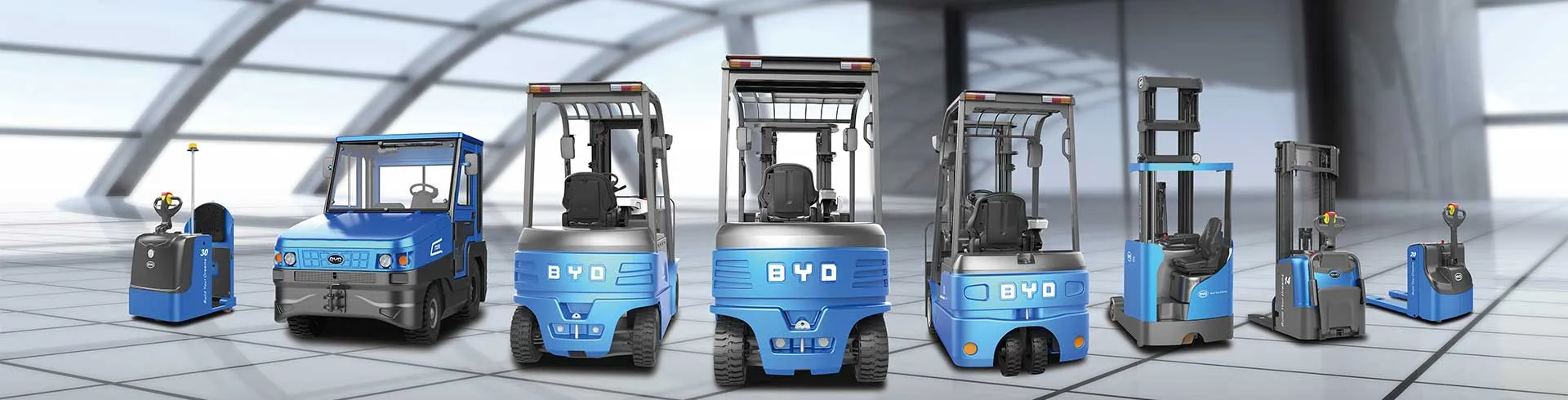
Es ist schwierig, dass ein einzelnes Modell die Anforderungen des gesamten Szenenbetriebs im Logistikpark erfüllt, und die Abstimmung mehrerer Modelle ist der Schlüssel zur Optimierung der Ressourcenzuweisung. Unterschiede in den funktionalen Merkmalen verschiedener Modelle können Komplementaritäten bilden: Gegengewichtsstapler eignen sich für den Langstrecken-Schwerlastumschlag, Vorwärtsfahrgabelstapler eignen sich für die Schmalkanal-Hochlagerhaltung, Kommissionierstapler konzentrieren sich auf die Kommissionierung auf hoher Ebene und Lagerstapler sind für den Kurzstrecken-Feinbetrieb geeignet. Bei der Kombination von Modellen ist es notwendig, die Anzahl der Modelle entsprechend dem Anteil der Vorgänge in jeder Region zu bestimmen, um ungenutzte Ressourcen oder ungleichmäßige Lasten zu vermeiden. Wenn beispielsweise die Lagerfläche 60% des gesamten Betriebsvolumens ausmacht, können 40% der vorwärts fahrenden Gabelstapler und 30% der Kommissioniergabelstapler konfiguriert werden, und die restlichen 20% können als Ersatzmodelle verwendet werden, um durch die Ergänzung der Modelle einen "effizienten Betrieb während der Stoßzeiten und eine flexible Planung während der niedrigen Stoßzeiten" zu erreichen und die Gesamtnutzungsrate der Ausrüstung zu verbessern.
Die Kostenoptimierung erfordert eine umfassende Berücksichtigung während des gesamten Beschaffungszyklus, von der Erstbeschaffung bis zum langfristigen Betrieb und der Wartung. Der Kostenvorteil der Massenbeschaffung spiegelt sich nicht nur im anfänglichen Einkaufspreis wider, sondern muss auch mit den Nutzungskosten, den Wartungskosten und dem Restwertvorteil kombiniert werden. Bei der Auswahl der Lieferanten müssen das Angebot, der Zeitraum für die Qualitätssicherung der Batterien, die Reaktionsgeschwindigkeit des Kundendienstes usw. verglichen werden, um zu vermeiden, dass die Zuverlässigkeit der Geräte durch niedrige Preise beeinträchtigt wird. Die Kosten für die langfristige Nutzung verschiedener Modelle variieren erheblich: Obwohl der anfängliche Einkaufspreis von Modellen mit hoher Lebensdauer höher ist, kann die Anzahl der Gebühren reduziert und die Kosten für die manuelle Überwachung gesenkt werden; bei Modellen mit geringer Wartung müssen Parameter wie die Batterielebensdauer und die Austauschhäufigkeit von Verschleißteilen beachtet werden. Darüber hinaus kann die Erstellung von Lebenszyklusdateien für die Ausrüstung, in denen die Kaufzeit, die Nutzungszeit, die Wartungsaufzeichnungen und die Bewertung des Restwerts erfasst werden, den Aktualisierungszyklus optimieren und Effizienzverluste durch vorzeitige Beseitigung oder verzögerte Beschaffung vermeiden. Wissenschaftliche Berechnungen haben ergeben, dass die Kosten für den gesamten Zyklus bei einer Kombination mehrerer Modelle in der Regel 15-25% niedriger sind als bei einem Kauf eines einzelnen Modells.
Für die Umsetzungsphase wird empfohlen, in drei Schritten vorzugehen: Erstens, Bedarfsforschung und datenbasierte Modellauswahl durch Modellierung und Analyse historischer Betriebsdaten, Klärung der Anpassungsszenarien und Nutzungshäufigkeiten jedes Modells und Erstellung einer Bedarfsliste; zweitens, Durchführung von Pilotprojekten in kleinen Chargen, Auswahl typischer Modelle für die Erprobung im Kerngebiet, Sammlung von Betriebsfeedback und Effizienzdaten, Optimierung des Kombinationsplans und anschließender Kauf in Chargen; schließlich Unterzeichnung von Wartungsvereinbarungen mit Lieferanten, Einrichtung regelmäßiger Inspektionen und vorbeugender Wartungsmechanismen, um eine stabile Anlagenleistung zu gewährleisten. Gleichzeitig kann ein gemischter Modus "Lease + Kauf" erforscht werden, um den anfänglichen finanziellen Druck zu verringern, insbesondere bei der Erweiterung des Logistikparks oder der Geschäftsexpansion.
Schlussfolgerung: Die Massenbeschaffung von Lithium-Ionen-Gabelstaplern in Logistikparks muss nachfrageorientiert sein, die betriebliche Effizienz durch die genaue Abstimmung mehrerer Modelle verbessern und durch ein durchgängiges Kostenmanagement langfristige Vorteile erzielen. Wissenschaftliche Beschaffungslösungen können nicht nur den aktuellen betrieblichen Bedarf decken, sondern auch Raum für künftige intelligente Upgrades reservieren (z. B. die Installation von AGV-Navigationsmodulen und Andockpark-Managementsystemen) und Logistikparks dabei unterstützen, sich in effiziente, grüne und intelligente moderne Parks zu verwandeln.