2026-06-22

比亞迪高門架電動叉車起升高度與載重參數詳解

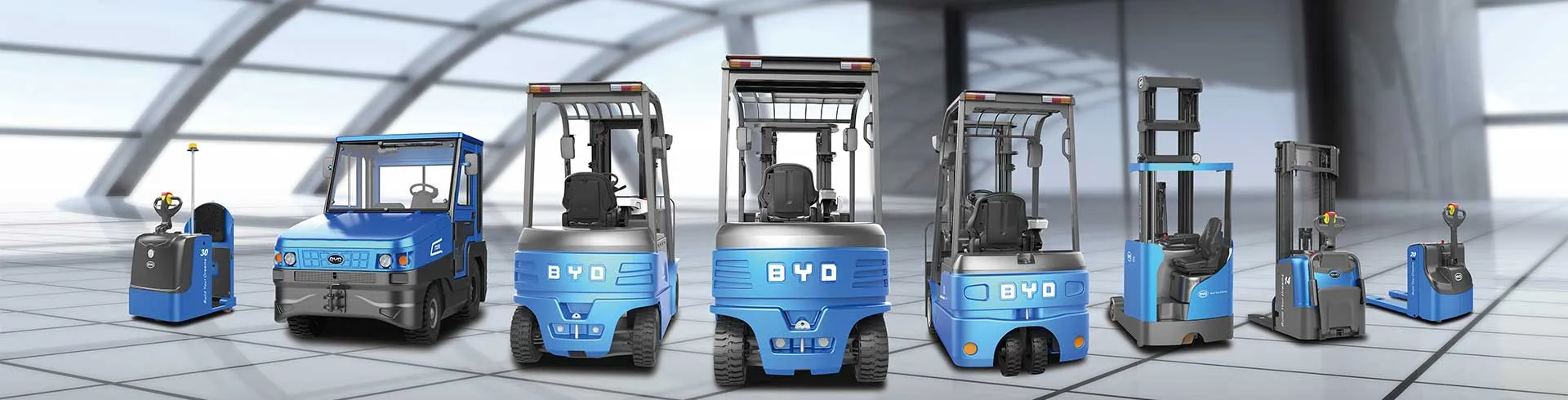
比亞迪高門架電動叉車起升高度與載重參數詳解(圖1)

高門架電動叉車是高位倉儲、貨場裝卸場景下的常用作業設備,起升高度與載重是用戶選型、日常作業的核心參考參數,兩者的對應關係直接影響作業安全與設備使用壽命。

起升高度的參數設定邏輯

常規高門架電動叉車的起升高度區間覆蓋3米到12米,不同高度對應不同的門架結構設計。6米以內的作業需求大多適配兩節門架,結構相對簡單,作業時晃動幅度較小;6米以上的高位作業則普遍採用三節門架,通過內部滑輪組結構實現高度延伸,門架的鋼材強度、連接部件的緊固性都會做對應強化,保障高位置作業的穩定性。

起升高度選型時要結合實際作業的最大高度,預留50到100釐米的安全餘量,避免貨物搬運時頂碰貨架頂部。平層倉庫裝卸作業選擇3到4.5米的起升高度即可滿足需求,高層立體貨架倉儲則需要6米以上的起升高度適配。

載重參數的關聯規則

電動叉車的額定載重,指的是設備在3米標準起升高度下的最大允許承載重量,這個數值經過多輪載荷測試驗證,作業時嚴禁超過該數值,避免出現側翻、結構損壞等問題。

當起升高度超過3米的標準值後,叉車的允許載重會隨高度提升逐步衰減,比如起升高度達到9米時,允許載重通常僅爲額定載重的60%到70%,具體衰減比例和門架結構、配重設計直接相關,作業前要提前查閱對應參數說明,不能直接按照額定載重裝載貨物。

參數匹配的實用建議

用戶採購前要先明確日常作業的最大貨架高度、單次搬運的平均貨物重量,結合載重衰減規則反推需要的額定載重,避免出現高度達標但載重不足的問題,也不需要盲目追求過高參數造成成本浪費。

日常作業前要先檢查門架、貨叉的完好度,不同高度作業時嚴格按照對應允許載重裝載,超重作業不僅會加速門架、輪胎等部件的損耗,還會帶來側翻、貨物墜落等安全隱患,合理匹配參數既能提升作業效率,也能有效延長設備使用壽命。
電話

微信

Whatsapp

電子郵箱

We use cookie to improve your online experience. By continuing to browse this website, you agree to our use of cookie.

Cookies

Please read our Terms and Conditions and this Policy before accessing or using our Services. If you cannot agree with this Policy or the Terms and Conditions, please do not access or use our Services. If you are located in a jurisdiction outside the European Economic Area, by using our Services, you accept the Terms and Conditions and accept our privacy practices described in this Policy.
We may modify this Policy at any time, without prior notice, and changes may apply to any Personal Information we already hold about you, as well as any new Personal Information collected after the Policy is modified. If we make changes, we will notify you by revising the date at the top of this Policy. We will provide you with advanced notice if we make any material changes to how we collect, use or disclose your Personal Information that impact your rights under this Policy. If you are located in a jurisdiction other than the European Economic Area, the United Kingdom or Switzerland (collectively “European Countries”), your continued access or use of our Services after receiving the notice of changes, constitutes your acknowledgement that you accept the updated Policy. In addition, we may provide you with real time disclosures or additional information about the Personal Information handling practices of specific parts of our Services. Such notices may supplement this Policy or provide you with additional choices about how we process your Personal Information.


Cookies

Cookies are small text files stored on your device when you access most Websites on the internet or open certain emails. Among other things, Cookies allow a Website to recognize your device and remember if you've been to the Website before. Examples of information collected by Cookies include your browser type and the address of the Website from which you arrived at our Website as well as IP address and clickstream behavior (that is the pages you view and the links you click).We use the term cookie to refer to Cookies and technologies that perform a similar function to Cookies (e.g., tags, pixels, web beacons, etc.). Cookies can be read by the originating Website on each subsequent visit and by any other Website that recognizes the cookie. The Website uses Cookies in order to make the Website easier to use, to support a better user experience, including the provision of information and functionality to you, as well as to provide us with information about how the Website is used so that we can make sure it is as up to date, relevant, and error free as we can. Cookies on the Website We use Cookies to personalize your experience when you visit the Site, uniquely identify your computer for security purposes, and enable us and our third-party service providers to serve ads on our behalf across the internet.

We classify Cookies in the following categories:
 ●  Strictly Necessary Cookies
 ●  Performance Cookies
 ●  Functional Cookies
 ●  Targeting Cookies


Cookie List
A cookie is a small piece of data (text file) that a website – when visited by a user – asks your browser to store on your device in order to remember information about you, such as your language preference or login information. Those cookies are set by us and called first-party cookies. We also use third-party cookies – which are cookies from a domain different than the domain of the website you are visiting – for our advertising and marketing efforts. More specifically, we use cookies and other tracking technologies for the following purposes:

Strictly Necessary Cookies
These cookies are necessary for the website to function and cannot be switched off in our systems. They are usually only set in response to actions made by you which amount to a request for services, such as setting your privacy preferences, logging in or filling in forms. You can set your browser to block or alert you about these cookies, but some parts of the site will not then work. These cookies do not store any personally identifiable information.

Functional Cookies
These cookies enable the website to provide enhanced functionality and personalisation. They may be set by us or by third party providers whose services we have added to our pages. If you do not allow these cookies then some or all of these services may not function properly.

Performance Cookies
These cookies allow us to count visits and traffic sources so we can measure and improve the performance of our site. They help us to know which pages are the most and least popular and see how visitors move around the site. All information these cookies collect is aggregated and therefore anonymous. If you do not allow these cookies we will not know when you have visited our site, and will not be able to monitor its performance.

Targeting Cookies
These cookies may be set through our site by our advertising partners. They may be used by those companies to build a profile of your interests and show you relevant adverts on other sites. They do not store directly personal information, but are based on uniquely identifying your browser and internet device. If you do not allow these cookies, you will experience less targeted advertising.

How To Turn Off Cookies
You can choose to restrict or block Cookies through your browser settings at any time. Please note that certain Cookies may be set as soon as you visit the Website, but you can remove them using your browser settings. However, please be aware that restricting or blocking Cookies set on the Website may impact the functionality or performance of the Website or prevent you from using certain services provided through the Website. It will also affect our ability to update the Website to cater for user preferences and improve performance. Cookies within Mobile Applications

We only use Strictly Necessary Cookies on our mobile applications. These Cookies are critical to the functionality of our applications, so if you block or delete these Cookies you may not be able to use the application. These Cookies are not shared with any other application on your mobile device. We never use the Cookies from the mobile application to store personal information about you.

If you have questions or concerns regarding any information in this Privacy Policy, please contact us by email at . You can also contact us via our customer service at our Site.