2026-07-15

Ang mga regulasyon sa kaligtasan para sa mga electric forklift ay ipinatupad, at ang paggamit at pamamahala ng mga espesyal na kagamitan ay komprehensibo at detalyado.

Sa pang-industriya na logistik at mga sitwasyon sa pagpapatakbo ng warehousing, ang mga electric forklift ay mga espesyal na kagamitan na madalas na ginagamit, at ang kanilang ligtas na operasyon ay direktang nauugnay sa kaligtasan ng buhay ng mga tauhan, kaligtasan ng ari-arian ng korporasyon at kahusayan sa produksyon. Ang pagtataguyod ng pagpapatupad ng mga regulasyon sa kaligtasan para sa mga electric forklift at pagpino sa paggamit at pamamahala ng mga espesyal na kagamitan ay isa sa mga pangunahing priyoridad para sa mga negosyo na gumana sa pagsunod.

1. Mga pangunahing punto para sa pagpapatupad ng mga regulasyon sa kaligtasan para sa mga electric forklift.

1. Buong saklaw ng pamamahala at kontrol sa kwalipikasyon ng tauhan

Ang mga operator ng electric forklift ay dapat kumuha ng kaukulang mga sertipiko ng kwalipikasyon para sa mga operator ng espesyal na kagamitan, at mahigpit na ipinagbabawal na magtrabaho nang walang lisensya. Ang mga negosyo ay kailangang magtatag ng isang normalized na mekanismo ng pagsasanay, at regular na ayusin ang mga operator upang magsagawa ng muling pagsasanay ng mga kasanayan sa ligtas na operasyon, na sumasaklaw sa forklift structure cognition, load control, emergency response, atbp., upang matiyak na ang bawat operator ay bihasa sa standardized operating procedures at may kakayahang tumugon sa mga emerhensiya. Kasabay nito, kinakailangang linawin ang mga responsibilidad sa trabaho ng mga operator, at mahigpit na ipinagbabawal para sa mga hindi awtorisadong tauhan na magpatakbo ng mga electric forklift.

2. Pinong pang-araw-araw na inspeksyon sa kaligtasan

Magpatupad ng tatlong antas na sistema ng inspeksyon bago, habang, at pagkatapos ng shift, at suriin ang mga pangunahing bahagi ng mga electric forklift nang paisa-isa. Bago ang shift, tumuon sa pagsuri kung normal ang lakas ng baterya, brake system, steering device, at lighting warning equipment; sa panahon ng shift, dapat bigyang-pansin ng operator ang operating status ng forklift, at agad na ihinto ang operasyon at iulat ang anumang abnormal na ingay o pagkabigo; Linisin ang mga labi sa forklift, iparada ang sasakyan sa itinalagang lugar, at putulin ang supply ng kuryente. Bilang karagdagan, ang mga negosyo ay kailangang magtatag ng isang ledger ng inspeksyon upang itala ang oras, nilalaman at mga resulta ng pagproseso ng bawat inspeksyon, upang ang proseso ng inspeksyon ay masubaybayan.

3. Pamamahala at kontrol sa kaligtasan ng eksena sa trabaho

Magtalaga ng isang espesyal na lugar ng pagpapatakbo ng forklift sa lugar ng pabrika, at mag-set up ng mga malinaw na palatandaan ng babala upang maiwasan ang magkahalong trapiko sa pagitan ng mga forklift at pedestrian. Sa panahon ng operasyon, mahigpit na sumunod sa mga regulasyon sa paghihigpit sa pagkarga, at mahigpit na ipinagbabawal ang labis na karga at bahagyang pagkarga; kapag naglilipat ng mga kalakal, tiyaking mahigpit na nakatali ang mga kalakal upang maiwasan ang pagkahulog at pananakit ng mga tao. Kapag nagtatrabaho sa mga espesyal na sitwasyon tulad ng makitid na mga daanan at rampa, kinakailangan na bawasan ang bilis ng pagmamaneho at obserbahan ang kapaligiran nang maaga upang matiyak ang kaligtasan ng operasyon.

2. Komprehensibo at detalyadong mga hakbang para sa paggamit at pamamahala ng mga espesyal na kagamitan

1. Magtatag ng full life cycle management ledger

Magtatag ng kumpletong management ledger para sa bawat electric forklift, itala nang detalyado ang impormasyon sa pagbili ng sasakyan, oras ng paggamit, mga talaan ng pagpapanatili, mga ulat ng inspeksyon at pagsubok, atbp., upang mapagtanto ang buong pamamahala sa pagsubaybay sa siklo ng buhay mula sa pagbili hanggang sa pag-scrap. Kailangang regular na i-update ang ledger upang matiyak na tumpak ang impormasyon at magbigay ng suporta sa data para sa pagpapanatili at inspeksyon ng kagamitan.

2. Mahigpit na ipatupad ang mga regular na kinakailangan sa inspeksyon

Alinsunod sa mga regulasyon ng departamento ng pangangasiwa ng espesyal na kagamitan, ang mga electric forklift ay regular na inaayos para sa propesyonal na inspeksyon at pagsubok upang matiyak na ang kagamitan ay nakakatugon sa mga pamantayan ng ligtas na operasyon. Maaari lamang itong gamitin pagkatapos na makapasa sa inspeksyon. Mahigpit na ipinagbabawal ang paggamit ng mga kagamitan na hindi na-inspeksyon o nabigong makapasa sa inspeksyon. Kailangang planuhin ng mga negosyo ang oras ng inspeksyon nang maaga upang maiwasang maapektuhan ang normal na produksyon dahil sa pagsususpinde ng kagamitan.

3. Pagbutihin ang mekanismo ng pagtugon sa emerhensiya

Bumuo ng mga plano sa pagtugon sa emerhensiya para sa mga biglaang pagkabigo at aksidente ng mga electric forklift, at linawin ang mga pamamaraan sa pagtugon sa emerhensiya, paghahati ng mga responsibilidad, at mga channel sa pag-uulat. Regular na ayusin ang mga emergency drill upang maging pamilyar ang mga operator sa mga hakbang sa pagtugon sa emerhensiya at pagbutihin ang kanilang kakayahang tumugon sa mga emerhensiya. Kasabay nito, ang mga pang-emerhensiyang supply tulad ng mga first aid kit at kagamitan sa pamatay ng apoy ay nilagyan sa lugar ng operasyon upang matiyak na ang gawaing pagliligtas ay maisasagawa sa lalong madaling panahon kung sakaling magkaroon ng aksidente.

Sa madaling salita, ang pagpapatupad ng mga regulasyon sa kaligtasan ng electric forklift at ang komprehensibong pagpipino ng pamamahala sa paggamit ng mga espesyal na kagamitan ay isang pangmatagalan at sistematikong gawain. Kailangang isama ng mga negosyo ang pamamahala sa kaligtasan sa lahat ng aspeto ng pang-araw-araw na operasyon, patuloy na palakasin ang pagpapatupad ng system, at pagbutihin ang kamalayan sa kaligtasan ng mga tauhan upang epektibong mabawasan ang mga panganib sa kaligtasan at makamit ang ligtas at mahusay na produksyon at operasyon.
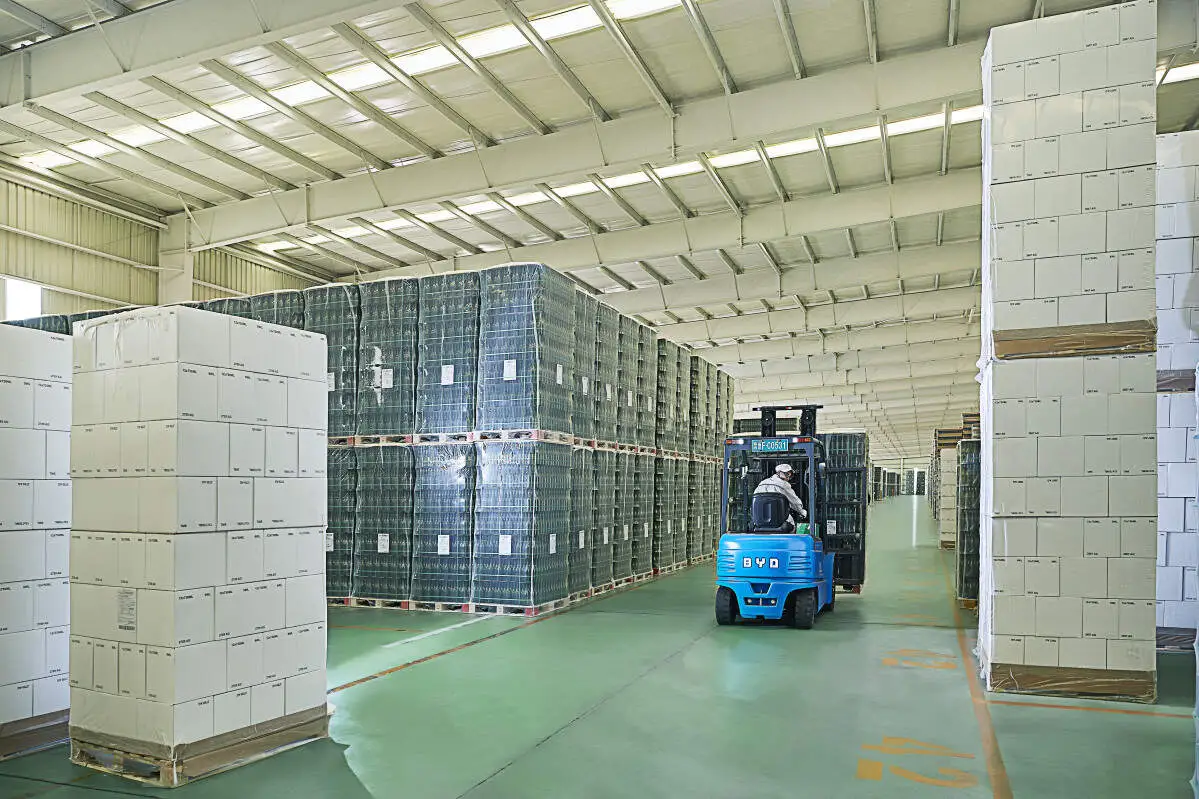
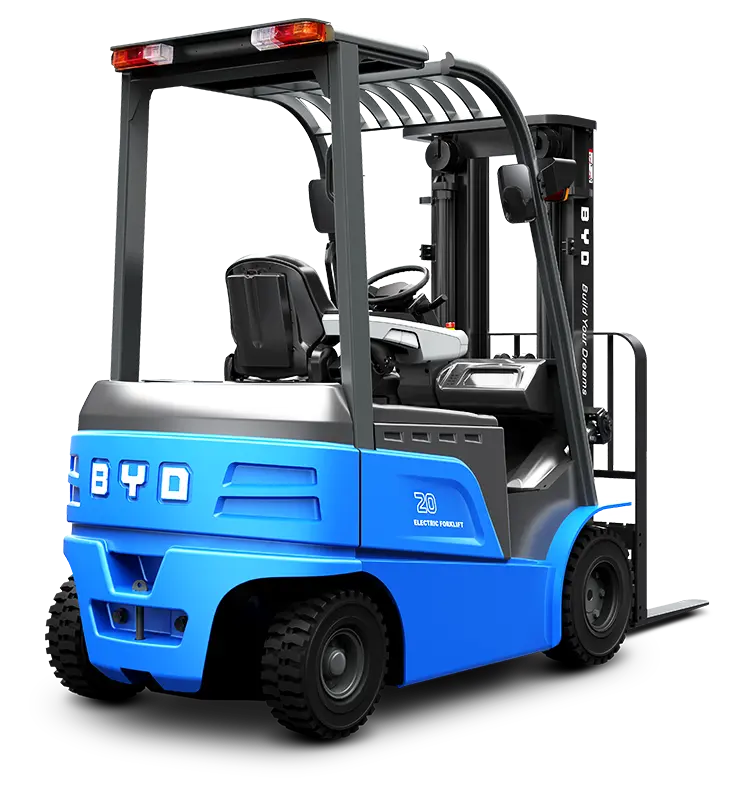
Ang mga regulasyon sa kaligtasan para sa mga electric forklift ay ipinatupad, at ang paggamit at pamamahala ng mga espesyal na kagamitan ay komprehensibo at detalyado.(larawan1)

Telepono

WeChat

Whatsapp

e-mail

We use cookie to improve your online experience. By continuing to browse this website, you agree to our use of cookie.

Cookies

Please read our Terms and Conditions and this Policy before accessing or using our Services. If you cannot agree with this Policy or the Terms and Conditions, please do not access or use our Services. If you are located in a jurisdiction outside the European Economic Area, by using our Services, you accept the Terms and Conditions and accept our privacy practices described in this Policy.
We may modify this Policy at any time, without prior notice, and changes may apply to any Personal Information we already hold about you, as well as any new Personal Information collected after the Policy is modified. If we make changes, we will notify you by revising the date at the top of this Policy. We will provide you with advanced notice if we make any material changes to how we collect, use or disclose your Personal Information that impact your rights under this Policy. If you are located in a jurisdiction other than the European Economic Area, the United Kingdom or Switzerland (collectively “European Countries”), your continued access or use of our Services after receiving the notice of changes, constitutes your acknowledgement that you accept the updated Policy. In addition, we may provide you with real time disclosures or additional information about the Personal Information handling practices of specific parts of our Services. Such notices may supplement this Policy or provide you with additional choices about how we process your Personal Information.


Cookies

Cookies are small text files stored on your device when you access most Websites on the internet or open certain emails. Among other things, Cookies allow a Website to recognize your device and remember if you've been to the Website before. Examples of information collected by Cookies include your browser type and the address of the Website from which you arrived at our Website as well as IP address and clickstream behavior (that is the pages you view and the links you click).We use the term cookie to refer to Cookies and technologies that perform a similar function to Cookies (e.g., tags, pixels, web beacons, etc.). Cookies can be read by the originating Website on each subsequent visit and by any other Website that recognizes the cookie. The Website uses Cookies in order to make the Website easier to use, to support a better user experience, including the provision of information and functionality to you, as well as to provide us with information about how the Website is used so that we can make sure it is as up to date, relevant, and error free as we can. Cookies on the Website We use Cookies to personalize your experience when you visit the Site, uniquely identify your computer for security purposes, and enable us and our third-party service providers to serve ads on our behalf across the internet.

We classify Cookies in the following categories:
 ●  Strictly Necessary Cookies
 ●  Performance Cookies
 ●  Functional Cookies
 ●  Targeting Cookies


Cookie List
A cookie is a small piece of data (text file) that a website – when visited by a user – asks your browser to store on your device in order to remember information about you, such as your language preference or login information. Those cookies are set by us and called first-party cookies. We also use third-party cookies – which are cookies from a domain different than the domain of the website you are visiting – for our advertising and marketing efforts. More specifically, we use cookies and other tracking technologies for the following purposes:

Strictly Necessary Cookies
These cookies are necessary for the website to function and cannot be switched off in our systems. They are usually only set in response to actions made by you which amount to a request for services, such as setting your privacy preferences, logging in or filling in forms. You can set your browser to block or alert you about these cookies, but some parts of the site will not then work. These cookies do not store any personally identifiable information.

Functional Cookies
These cookies enable the website to provide enhanced functionality and personalisation. They may be set by us or by third party providers whose services we have added to our pages. If you do not allow these cookies then some or all of these services may not function properly.

Performance Cookies
These cookies allow us to count visits and traffic sources so we can measure and improve the performance of our site. They help us to know which pages are the most and least popular and see how visitors move around the site. All information these cookies collect is aggregated and therefore anonymous. If you do not allow these cookies we will not know when you have visited our site, and will not be able to monitor its performance.

Targeting Cookies
These cookies may be set through our site by our advertising partners. They may be used by those companies to build a profile of your interests and show you relevant adverts on other sites. They do not store directly personal information, but are based on uniquely identifying your browser and internet device. If you do not allow these cookies, you will experience less targeted advertising.

How To Turn Off Cookies
You can choose to restrict or block Cookies through your browser settings at any time. Please note that certain Cookies may be set as soon as you visit the Website, but you can remove them using your browser settings. However, please be aware that restricting or blocking Cookies set on the Website may impact the functionality or performance of the Website or prevent you from using certain services provided through the Website. It will also affect our ability to update the Website to cater for user preferences and improve performance. Cookies within Mobile Applications

We only use Strictly Necessary Cookies on our mobile applications. These Cookies are critical to the functionality of our applications, so if you block or delete these Cookies you may not be able to use the application. These Cookies are not shared with any other application on your mobile device. We never use the Cookies from the mobile application to store personal information about you.

If you have questions or concerns regarding any information in this Privacy Policy, please contact us by email at . You can also contact us via our customer service at our Site.